If you want the full Venezuelan experience at PANNA, order in layers: start with tequeños, choose an arepa or empanada for corn-based comfort, add a cachapa for sweet corn and cheese, try pabellón for a complete traditional plate, and use sauces like guasacaca to bring freshness and balance to the meal.
What should you order first at PANNA?
The best way to begin at PANNA is with something shareable. In Venezuelan food, the first bite often sets the rhythm of the table, and few dishes do that better than tequeños. They are warm, golden, cheesy and easy to pass around, which makes them one of the clearest openings to a Venezuelan meal.
A tequeño is simple in appearance, but the experience depends on technique. The dough has to be thin enough to crisp, but strong enough to hold the cheese. The cheese should soften inside without leaking completely. When that balance works, the tequeño becomes more than an appetizer; it becomes the first shared moment.
Starting this way also helps first-time visitors. Even if someone has never tried Venezuelan food, warm cheese wrapped in dough is easy to understand. From there, the table can move into more specific Venezuelan flavors: corn dough, shredded meats, black beans, tajadas, sauces and sweet corn.
How do you build a full Venezuelan experience at PANNA?
A full Venezuelan experience is not about ordering the most food. It is about ordering with balance. Venezuelan food works through contrast: crisp and soft, sweet and salty, savory and fresh, simple and generous. A good order should let those contrasts appear naturally.
The easiest structure is:
- Start with something shareable, like tequeños.
- Add a corn-based dish, like an arepa or empanada.
- Choose a savory filling, such as carne mechada or chicken.
- Include a sweet contrast, like cachapa or tajadas.
- Add a sauce, such as guasacaca, for freshness.
- Try a complete plate if you want the traditional structure.
This way, the meal does not feel repetitive. You are not only eating fried foods, or only cheese, or only one texture. You are tasting the range of Venezuelan food as it is meant to be understood: warm, generous and balanced.
Which dishes show the most traditional Venezuelan flavors?
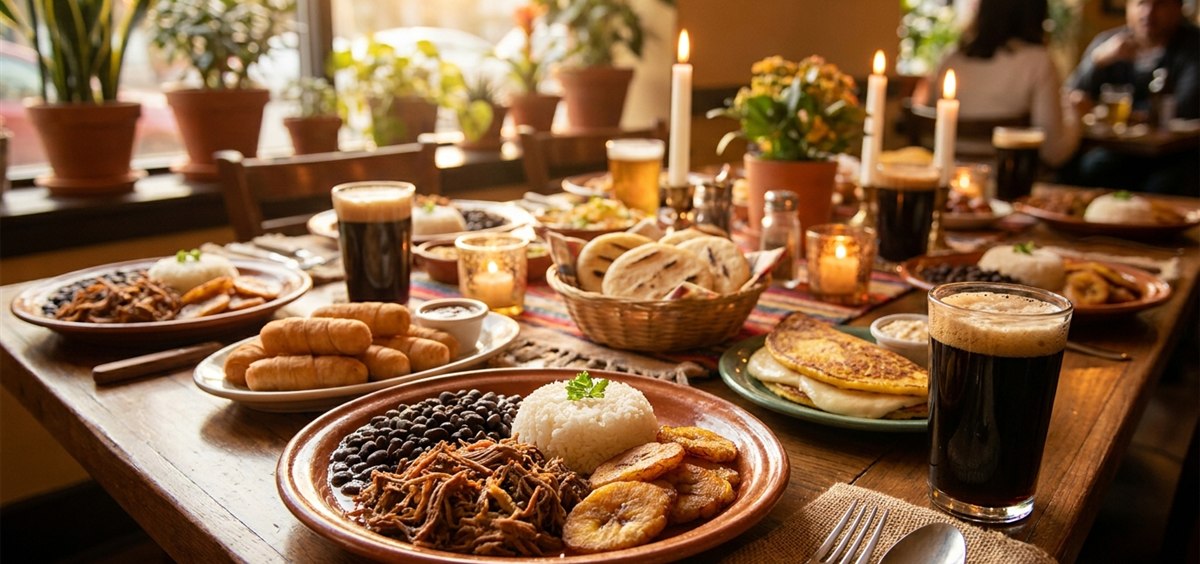
Pabellón is one of the strongest choices if you want traditional Venezuelan flavor in a complete plate. It usually brings together carne mechada, caraotas negras, white rice and tajadas. Each part has a job. The rice gives structure. The black beans bring depth and creaminess. The shredded beef adds savory flavor. The tajadas bring sweetness and softness.
That balance is one reason pabellón matters so much. It shows that Venezuelan food is not just abundant; it is carefully organized. The elements may look simple, but together they create a plate with movement.
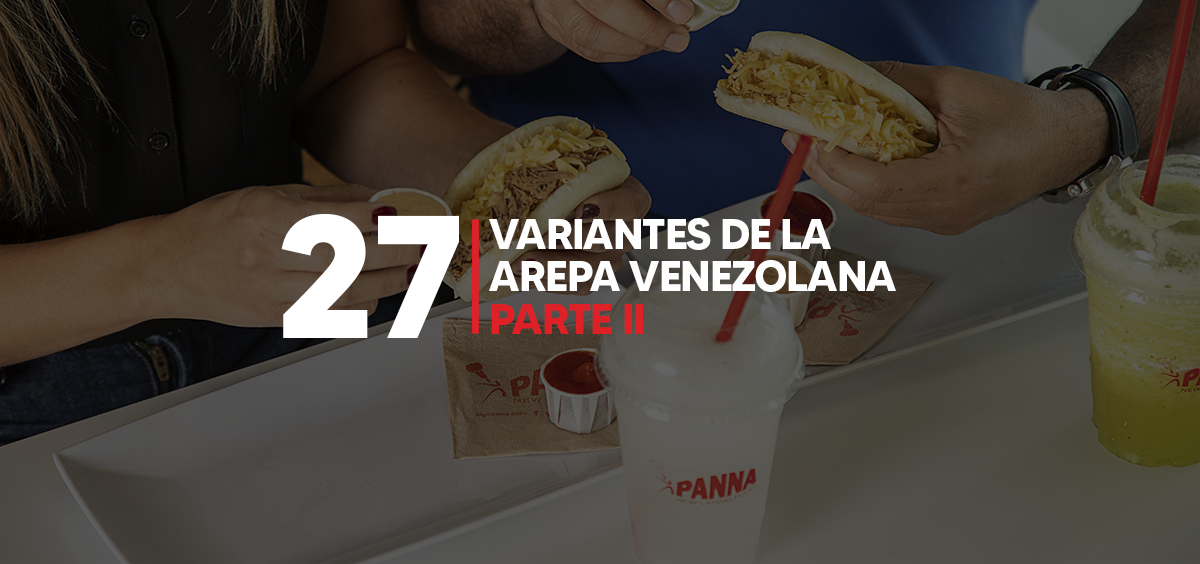
Arepas also show traditional flavor, but in a different format. The arepa is everyday, flexible and deeply Venezuelan. It can be filled with cheese, carne mechada, chicken, black beans or other combinations. Unlike pabellón, which is a plate, the arepa gives you Venezuelan flavor in a handheld form.
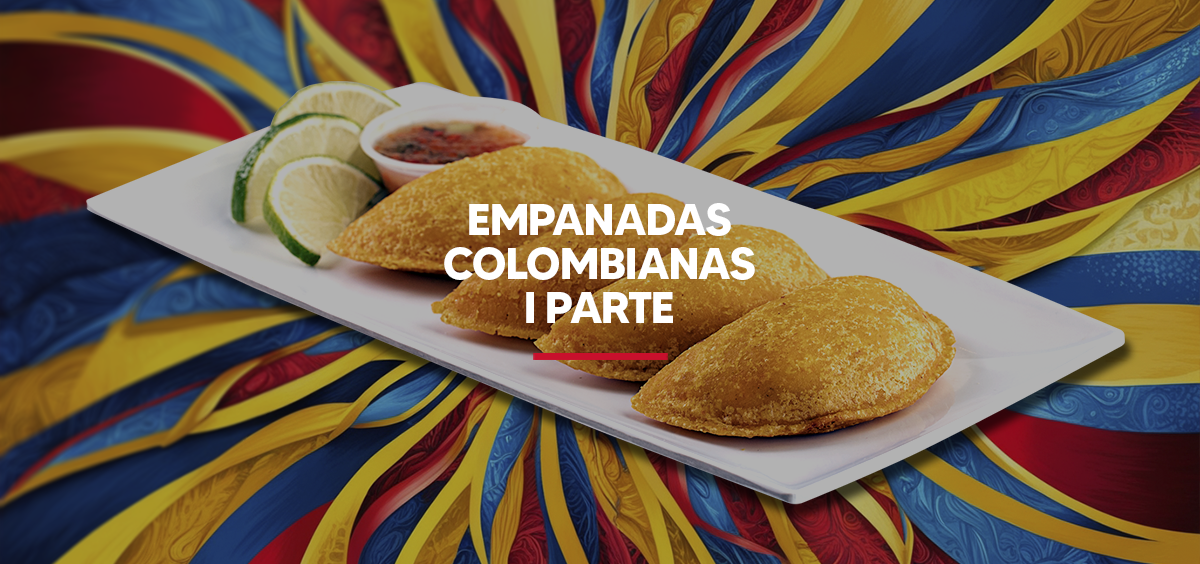
Empanadas bring another side of tradition: fried corn dough, warm filling and casual comfort. They are especially good if you want something practical but still connected to Venezuelan street food and breakfast culture.
What should you order if you love corn-based Venezuelan food?
If you love corn-based food, PANNA gives you several ways to experience how corn changes depending on technique. The arepa uses corn as structure. The empanada uses corn as a fried shell. The cachapa uses sweet corn as the main flavor.
An arepa is ideal if you want something savory and customizable. Its corn dough is mild, which allows the filling to lead. An empanada gives you a crispier, more portable version of corn-based comfort. The dough folds around cheese, beef, chicken or other fillings, then fries into a golden shell.
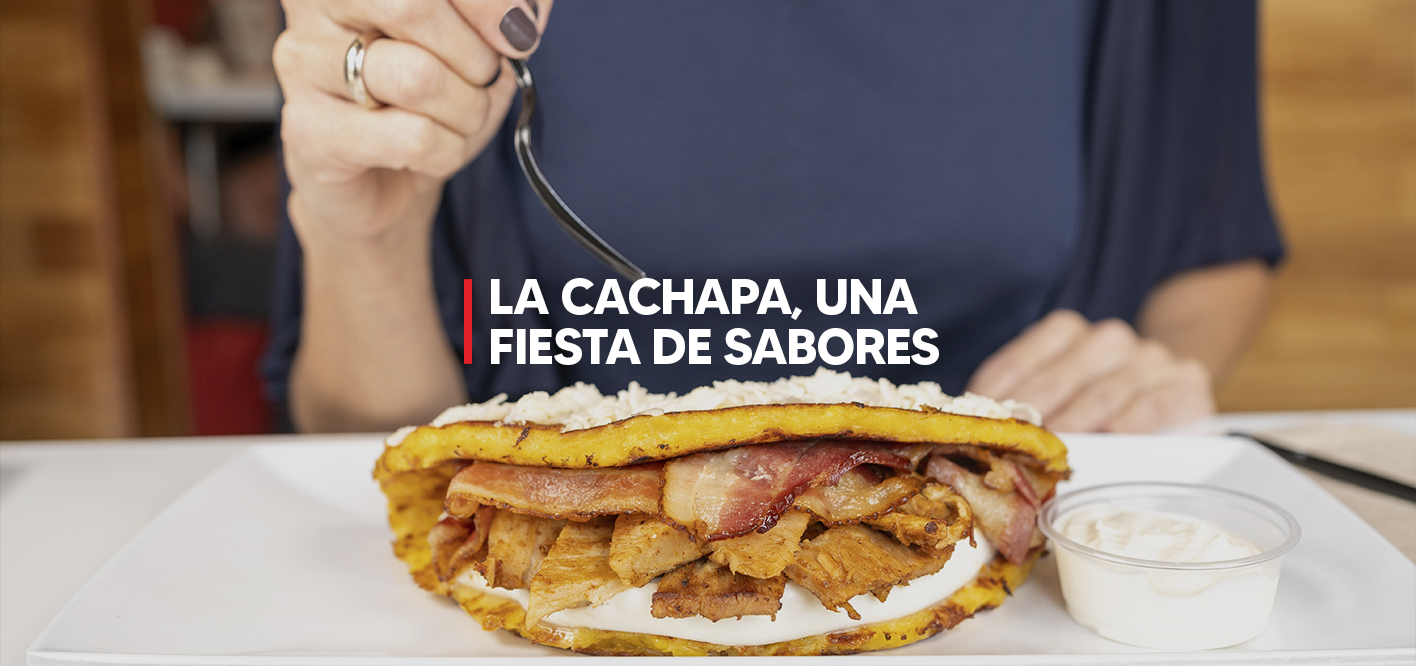
A cachapa is different. It is softer, sweeter and richer. Made with sweet corn batter and folded with cheese, it shows the Venezuelan love for sweet-salty contrast. If someone wants to understand how different corn can feel inside the same cuisine, ordering across these three formats is one of the best ways to learn.
What should you order if you want something sweet and salty?
Order a cachapa if you want the clearest sweet-and-salty experience. The sweet corn batter gives softness, moisture and natural sweetness. The cheese brings salt, creaminess and structure. Together, they create a dish that feels comforting and memorable without needing many extras.
Sweet and salty balance also appears in dishes with tajadas. Ripe plantains, sliced and fried until tender, bring sweetness to savory plates. With carne mechada, they soften the intensity of the beef. With black beans, they create contrast. With cheese, they become even more expressive.
This is one of the most Venezuelan ways to eat: not separating sweet from savory too strictly, but letting both work together. That is why a meal at PANNA can feel familiar and surprising at the same time.
How do sauces complete the PANNA experience?
Sauces complete the experience because they let each person adjust the bite. Guasacaca is especially important in Venezuelan food because it brings herbs, garlic, acidity, oil and, in some versions, avocado. It freshens fried foods, lifts grilled or savory flavors and adds moisture without hiding the dish underneath.
With empanadas, a sauce can brighten the corn shell and filling. With arepas, it can connect the filling to the dough. With tequeños, it can lighten the fried cheese. With bowls or plates, it can bring freshness to rice, beans, meats or plantains.
The sauce should not take over the meal. Its role is to make the next bite easier and more balanced. That is why sauces belong naturally in a full Venezuelan experience. They give the table movement.
What should you order if you are visiting PANNA for the first time?
If it is your first time at PANNA, choose a path instead of trying to decode the whole menu at once. Start with tequeños to share. Then choose an arepa if you want a handheld meal, an empanada if you want something fried and filling, a cachapa if you like sweet corn and cheese, or pabellón if you want the most complete traditional plate.
A first-time order could look like this:
- Tequeños for the table.
- One arepa with a classic filling.
- One cachapa to share.
- Pabellón for a full traditional plate.
- Guasacaca or another sauce for freshness.
- Malta or another cold drink if you want a more casual Venezuelan pairing.
This gives you enough range without making the meal confusing. You taste the main ideas: cheese, corn, guisos, beans, plantains, sauces and shared comfort.
Frequently Asked Questions
What should I try first at PANNA?
Start with tequeños if you want the easiest shared first bite. Then choose an arepa, empanada, cachapa or pabellón depending on whether you want handheld comfort, fried corn dough, sweet corn and cheese, or a complete traditional plate.
What is the most traditional Venezuelan dish to order at PANNA?
Pabellón is one of the most traditional choices because it brings together carne mechada, black beans, white rice and tajadas. It shows the balance of savory, earthy, neutral and sweet flavors.
What should I order at PANNA if I like cheese?
Order tequeños, a cheese arepa, a cheese empanada or a cachapa with cheese. Venezuelan food uses cheese for salt, creaminess, contrast and comfort.
What should I order at PANNA if I am new to Venezuelan food?
Start with familiar but distinctive dishes: tequeños, an arepa, an empanada or a cachapa. If you want the full traditional experience, order pabellón and add a sauce like guasacaca.
The full Venezuelan experience at PANNA is not one single dish. It is the rhythm of the table: tequeños to begin, corn in different forms, cheese for comfort, carne mechada for depth, caraotas for warmth, tajadas for sweetness and sauces for freshness. Order that way, and PANNA becomes more than a place to eat; it becomes a way to understand Venezuelan food through balance, generosity and flavor that feels close from the first bite.