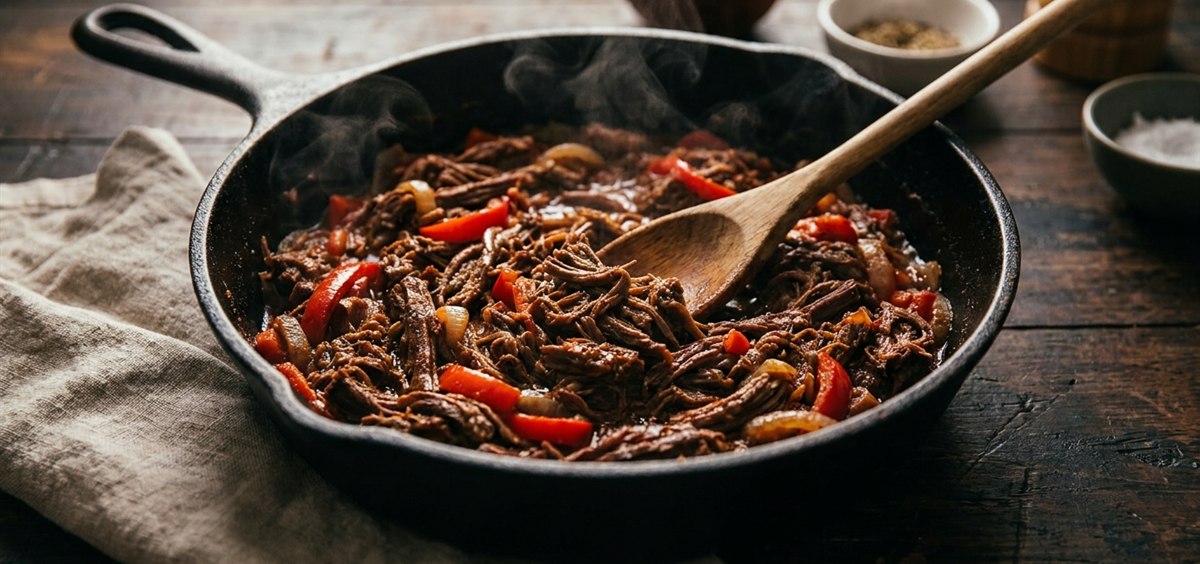
Carne mechada is Venezuelan shredded beef, slow-cooked until tender, pulled into thin strands and finished with a seasoned sofrito-style base. It is important because it carries flavor, moisture and texture across many Venezuelan dishes, from pabellón criollo to arepas, empanadas and bowls. Good carne mechada should be juicy, savory and never dry.
What is carne mechada in Venezuelan food?
Carne mechada is one of those preparations that explains a lot about Venezuelan food without needing to be loud. At first, it may look like simple shredded beef, but its value is in the way the meat is cooked, pulled and seasoned until every strand carries flavor. It is not just beef cut into pieces; it is beef transformed into a filling that can move through different dishes.
In Venezuela, carne mechada appears in full plates, stuffed arepas, empanadas, lunch counters and home meals. In Venezuela, the smell of seasoned shredded beef immediately connects with pabellón, family lunches and food that feels complete.
How is carne mechada different from regular shredded beef?
The difference between carne mechada and regular shredded beef is not only the shredding. The technique matters. Carne mechada should be cooked until the fibers separate easily, then finished with seasoning so the flavor does not stay only on the outside. The meat has to absorb the sauce while still keeping its texture.
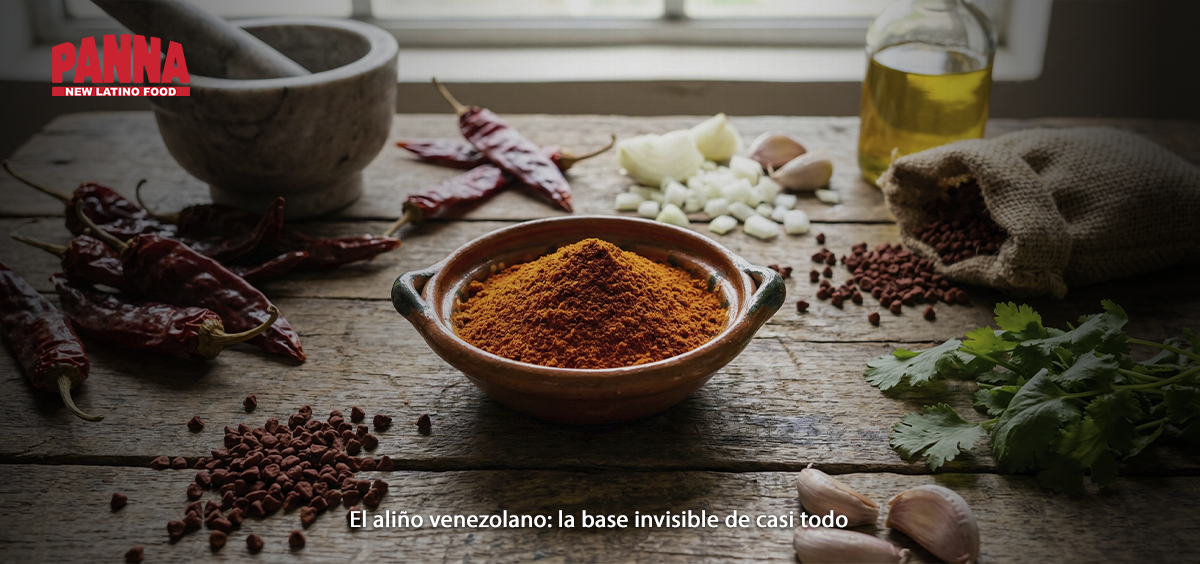
Regular shredded beef can be neutral, dry or only lightly seasoned. Carne mechada should feel integrated. The beef, onion, peppers, garlic, tomato or seasonings, depending on the recipe, need time to come together. The final result should be moist but not watery, tender but not mushy.
What cut of beef works best for carne mechada?
Carne mechada needs a cut that can become tender after slow cooking and separate into strands. The exact cut may vary by kitchen, but the important requirement is structure. The meat should have enough fibers to shred cleanly after cooking. Very lean cuts can become dry if they are not handled carefully.
The cooking process usually has two goals. First, soften the meat enough to pull it apart. Second, season the shredded beef so it becomes juicy and expressive. If the meat is only boiled and shredded, the result can taste flat. If it is cooked too aggressively after shredding, the strands can dry out or break down too much.
Why does carne mechada work so well in pabellón criollo?
Carne mechada is essential to pabellón criollo because it brings the savory center of the plate. Pabellón works through contrast: white rice gives a clean base, black beans bring depth, tajadas add sweetness, and carne mechada provides seasoned intensity. Without the beef, the plate loses its main savory anchor.
The texture also matters. Rice and beans are soft. Tajadas are tender and sweet. Carne mechada adds fiber, chew and depth. When it is juicy, it connects easily with the beans and rice. When it is too dry, the whole plate feels less generous.
A well-balanced pabellón depends on proportion:
- Rice should support, not dominate.
- Black beans should bring creaminess and depth.
- Carne mechada should be savory, juicy and present.
- Tajadas should add sweetness and softness.
- Cheese, when included, should add salt and freshness.
That is why carne mechada cannot be treated as a random protein. In pabellón, it is one of the main reasons the plate feels complete.
Why is carne mechada such a good filling for arepas and empanadas?
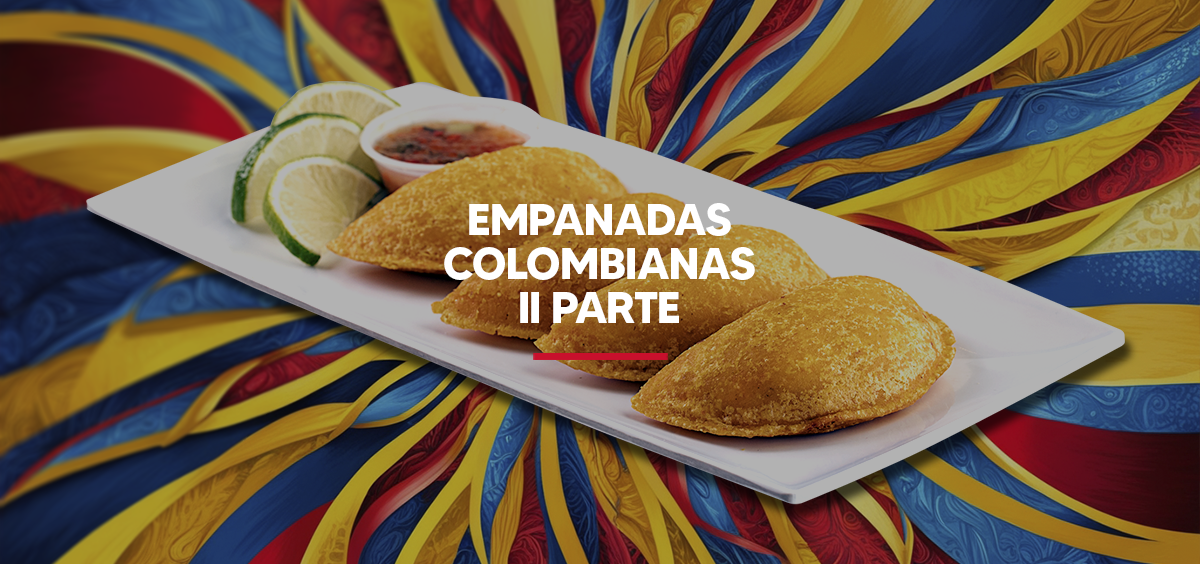
Carne mechada works beautifully in arepas and empanadas because it has the right kind of texture for stuffed foods. It is soft enough to bite through easily, but structured enough to hold inside corn dough. The strands help distribute flavor through the filling instead of creating one dense block of meat.
In an arepa, carne mechada gives a savory, juicy center. The arepa dough is mild, so the beef brings depth and seasoning. The filling should be moist enough to make the arepa satisfying, but not so wet that it soaks through the corn shell.
In an empanada, carne mechada has another challenge. The filling must stay flavorful after frying, but it cannot be too loose. If it is too wet, it can weaken the dough. If it is too dry, the empanada feels empty even when it is full.
What are the most common mistakes when making carne mechada?
The most common mistake is confusing shredded beef with carne mechada. Pulling meat apart is only one step. The flavor needs to be built before, during and after shredding.
Common mistakes include:
- Cooking the beef until tender but not seasoning it enough afterward.
- Letting the meat dry out after shredding.
- Leaving the sauce too watery, especially for arepas or empanadas.
- Overcooking the shredded meat until the strands disappear.
- Using too little salt or seasoning, which makes the filling taste flat.
- Forgetting that carne mechada must match the dish where it will be served.
For pabellón, it can be a little saucier because rice and beans can absorb some of that moisture. For an arepa, it should be juicy but controlled. For an empanada, it should be even more careful, because the dough needs to stay sealed and crisp.
Why does carne mechada matter beyond one dish?
Carne mechada matters because it connects several parts of Venezuelan cuisine. It can be part of a traditional plate, a breakfast arepa, a fried empanada, a casual lunch or a comforting dinner. It is not tied to only one occasion.
That flexibility is part of its cultural strength. Venezuelan food often takes familiar ingredients and changes the format: plate, handheld, fried, folded, shared or served as a full meal. Carne mechada moves easily through all of those formats because it brings flavor and substance without losing its identity.
At PANNA, carne mechada is more than an ingredient. It helps people understand Venezuelan food: generous, seasoned, warm and built around real texture.
Frequently Asked Questions
What is carne mechada made of?
Carne mechada is made from beef cooked until tender, shredded into strands and finished with seasonings such as onion, peppers, garlic or tomato-based elements, depending on the recipe. The result should be juicy and savory.
Is carne mechada the same as shredded beef?
Not exactly. Carne mechada is shredded beef, but it is specifically seasoned and finished in a Venezuelan style. The important difference is flavor, moisture and how the meat is used in dishes like pabellón, arepas and empanadas.
Is carne mechada spicy?
Carne mechada is usually flavorful rather than spicy. Venezuelan cooking often focuses on seasoning, aroma and balance instead of strong heat, although sauces or personal preferences can add spice.
What dishes use carne mechada?
Carne mechada is commonly used in pabellón criollo, arepas, empanadas and other Venezuelan plates or bowls. It works well because the shredded texture holds flavor and pairs naturally with rice, beans, cheese, corn dough and sweet plantains.
Carne mechada is one of the quiet foundations of Venezuelan food. It teaches you how much technique can live inside something that looks simple: tender beef, patient cooking, seasoning that reaches every strand, and moisture controlled for the dish it belongs to. At PANNA, tasting carne mechada is a direct way to understand that Venezuelan food is not just abundant; it is built with intention, warmth and flavor that stays with you.