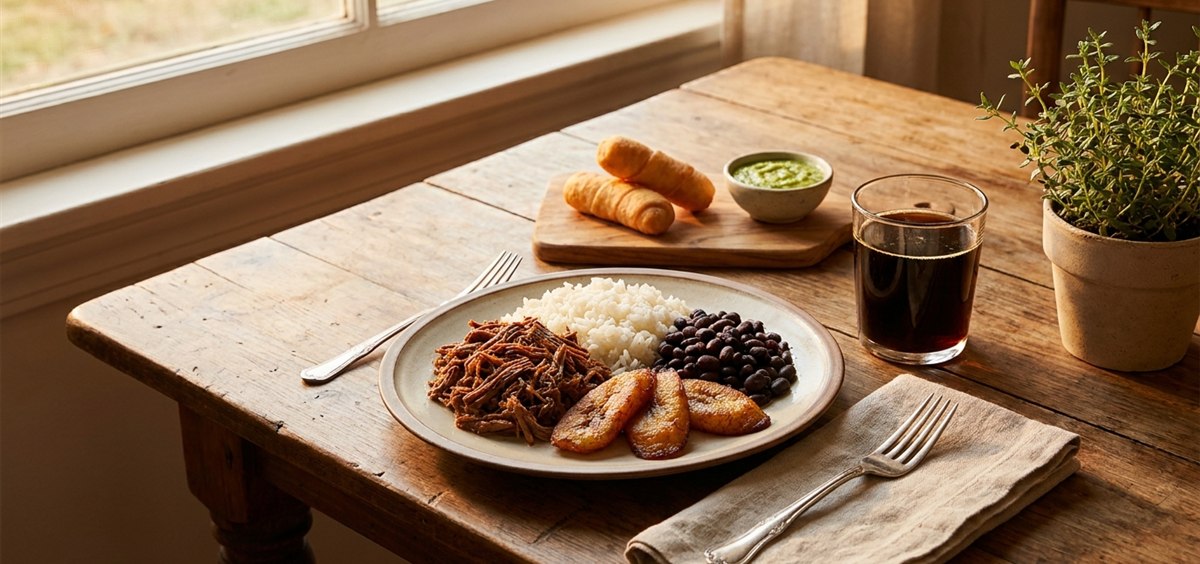
The perfect Venezuelan meal is built around balance: something shareable, a corn-based dish, a savory filling or protein, a sweet contrast like tajadas, a fresh sauce and a drink that fits the food. Venezuelan meals feel complete when corn, cheese, meats, beans, plantains and sauces work together instead of competing.
What should a Venezuelan meal include?
A Venezuelan meal does not need to be complicated to feel complete. What matters is rhythm. The table should have something warm to start, something with corn, something savory, something creamy or salty, something sweet if the meal needs contrast, and a sauce or drink that keeps the bite fresh.
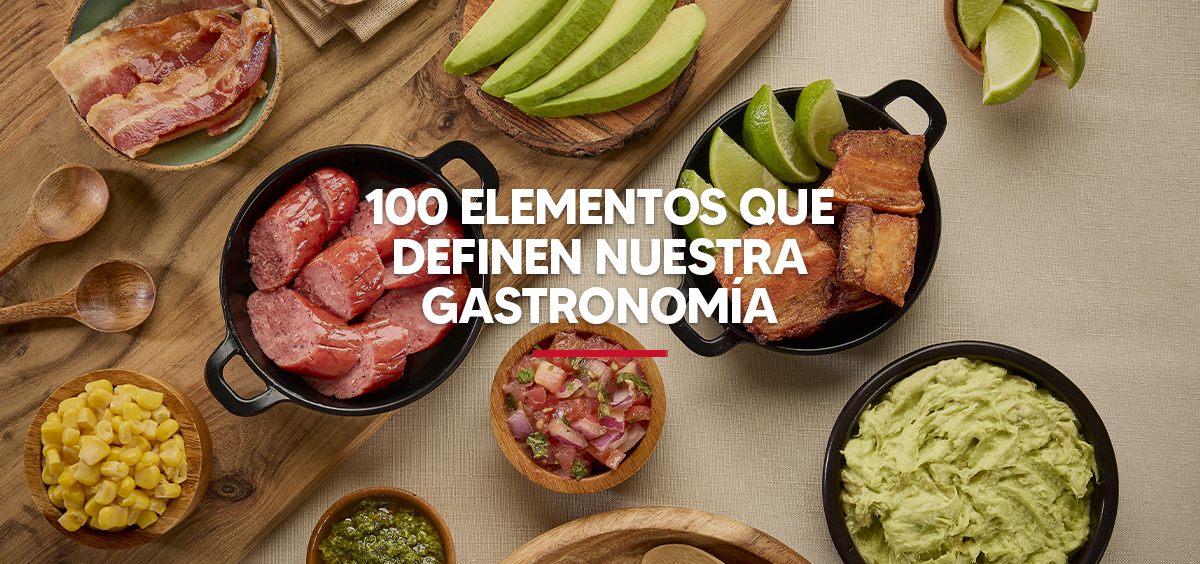
That structure explains why Venezuelan food feels so generous. It is not only about portion size. It is about the way ingredients support each other. Corn gives body. Cheese adds salt and comfort. Carne mechada or chicken brings savory depth. Caraotas negras add creaminess. Tajadas bring sweetness. Guasacaca or another sauce gives freshness, garlic or acidity.
When those elements appear in the right proportion, the meal feels abundant without becoming chaotic. The goal is not to order everything on the menu. The goal is to choose dishes that make sense together.
Why should you start with something shareable?
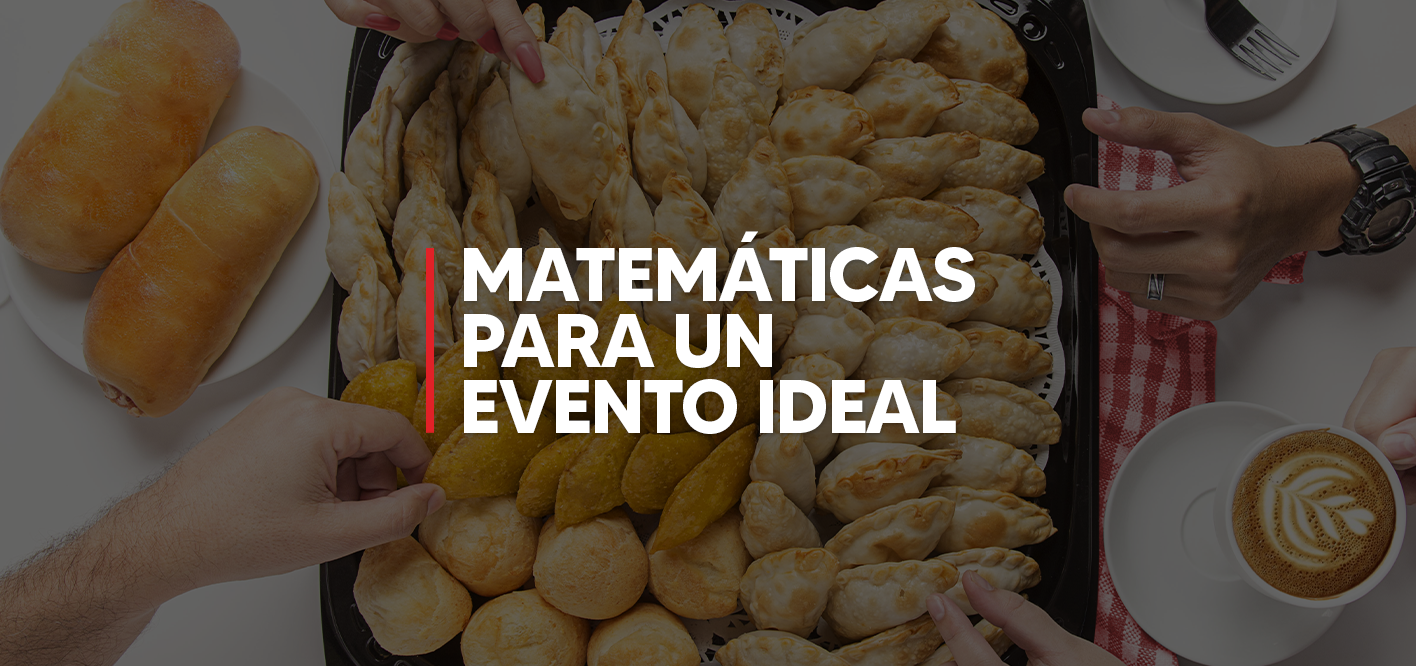
Starting with something shareable gives the meal a Venezuelan rhythm from the first bite. Tequeños are the clearest example. They are warm, golden, cheesy and easy to pass around. Nobody needs a long explanation before taking one, which is why they work so well for families, friends and first-time visitors.
Empanadas can also work as an opening if the table wants something more filling, especially when different fillings are ordered and shared. The key is to avoid making the first order too heavy. A good starter should invite people into the meal, not finish the meal before it begins.
Shareable foods matter because Venezuelan eating is often social. The table begins moving before the main dishes arrive. Someone reaches for a tequeño, someone asks for sauce, someone tries a bite and the conversation starts around the food. That small moment is part of the experience.
How do you choose the corn-based center of the meal?
Corn is usually the best way to anchor a Venezuelan meal because it appears in several forms. The question is not whether to order corn, but which version fits the moment.
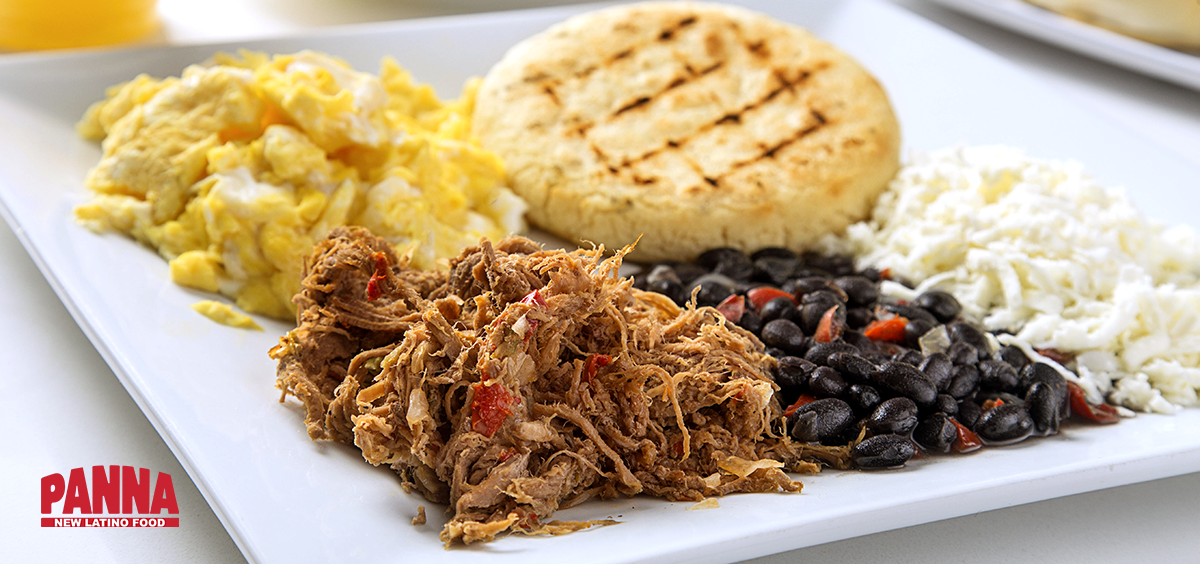
An arepa is the most flexible choice. It works when someone wants a savory handheld meal with a filling like cheese, carne mechada, shredded chicken, black beans or avocado. The arepa’s mild corn dough lets the filling lead, while still giving the meal structure.
A cachapa is better when the table wants something softer, sweeter and richer. Made with sweet corn batter and folded with cheese, it brings a sweet-salty contrast that feels very Venezuelan. It is less neutral than an arepa, so it should be chosen when sweet corn is part of the craving.
An empanada gives corn a fried format. It is crisp at the edge, tender inside and filling enough to stand on its own. It works well for casual meals or when the table wants something warm, portable and satisfying.
How do you balance savory proteins and fillings?
Savory proteins and fillings give the meal depth. Carne mechada is one of the strongest choices because it brings texture, seasoning and moisture. It works inside arepas, empanadas, bowls or full plates because the shredded strands carry flavor through the bite.
Shredded chicken offers a softer option. It can feel lighter, but still satisfying when properly seasoned and paired with corn, cheese or sauce. Ground beef, beans, cheese or mixed fillings can also work depending on the dish and appetite.
The important detail is moisture. Venezuelan fillings should feel generous, but not uncontrolled. An arepa filling that is too wet can weaken the corn pocket. An empanada filling that is too loose can affect the fried shell. A plate can tolerate more sauce or broth because rice and beans can absorb it. Good ordering means choosing the right format for the filling.
Why does a Venezuelan meal need contrast?
Contrast is what keeps a Venezuelan meal from feeling flat. Many of the strongest combinations depend on opposites: sweet plantains with savory beef, salty cheese with sweet corn, earthy black beans with white rice, fresh sauce with fried dough.
Tajadas are one of the best examples. They are ripe plantains sliced and fried until soft, sweet and golden. They do not turn a savory meal into dessert. Instead, they make the savory elements taste deeper. With carne mechada, they bring relief. With caraotas, they add sweetness. With cheese, they create a salty-sweet balance that feels familiar to Venezuelans.
Cheese also works as contrast. It sharpens beans, balances cachapas, fills tequeños and makes arepas more satisfying. Sauce adds another layer, especially when the meal includes fried or rich foods. Guasacaca can bring herbs, garlic, acidity and freshness, making the next bite easier to enjoy.
A good Venezuelan meal should include at least one contrast. Without it, the table may still be filling, but it loses some of the logic that makes the cuisine so memorable.
How do you avoid ordering too much of the same thing?
The easiest mistake is ordering several dishes that all do the same job. Too many fried items can make the meal feel heavy. Too many soft dishes can make it feel repetitive. Too many savory items without freshness or sweetness can make the table taste one-dimensional.
A better approach is to build variety by function:
- Something shareable, like tequeños.
- Something corn-based, like an arepa, cachapa or empanada.
- Something savory, like carne mechada or chicken.
- Something creamy or salty, like cheese or caraotas.
- Something sweet, like tajadas.
- Something fresh, like guasacaca or another sauce.
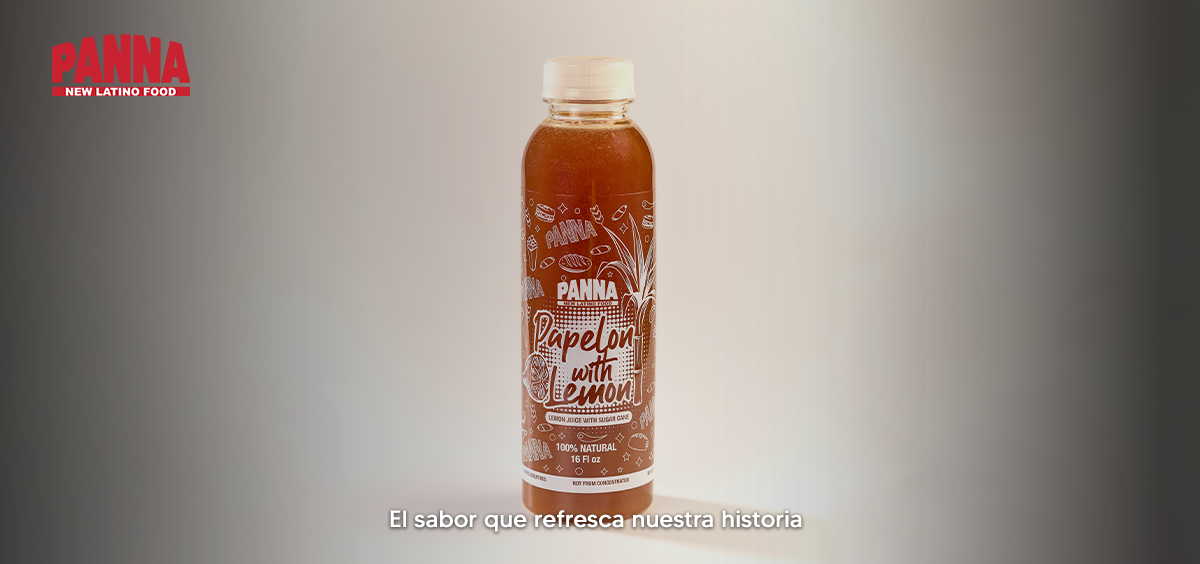
- Something cold or familiar to drink, like malta if it fits the craving.
This structure helps the table feel complete without becoming excessive. It also makes the meal easier for first-time visitors, because each dish has a clear role.
What should you order if you want a complete Venezuelan meal?
If you want a complete Venezuelan meal, think in layers instead of ordering randomly. Start with tequeños if you are sharing. Choose an arepa if you want a handheld meal, pabellón if you want a traditional plate, or a cachapa if you want sweet corn and cheese. Add sauce when the food needs freshness, and consider a drink that fits the style of the meal.
A practical order could look like this:
- Tequeños to begin.
- An arepa with carne mechada or cheese.
- A cachapa to share for sweet corn contrast.
- Pabellón if someone wants the full traditional plate.
- Guasacaca or another sauce for freshness.
- Malta or another cold drink if the meal leans casual and comforting.
At PANNA, this way of ordering helps the table experience Venezuelan food with intention. You are not just choosing individual dishes. You are building a meal around warmth, corn, cheese, guisos, sauces and contrast.
Frequently Asked Questions
What makes a Venezuelan meal complete?
A Venezuelan meal feels complete when it balances corn, protein, cheese, beans, plantains, sauces and texture. It should include savory depth, warmth, contrast and enough variety to keep the table interesting.
What should I order first at a Venezuelan restaurant?
Start with tequeños if you are sharing. They are warm, cheesy, easy to eat and one of the most familiar ways to begin a Venezuelan meal.
Should I order an arepa, cachapa or empanada?
Order an arepa if you want a savory handheld meal, a cachapa if you want sweet corn and cheese, or an empanada if you want fried corn dough with a warm filling.
How do I balance a Venezuelan meal?
Balance the meal by choosing different functions: something crisp, something soft, something savory, something sweet, something fresh and something filling. This keeps the table generous without making it repetitive.
The perfect Venezuelan meal is not about ordering the most food; it is about ordering with rhythm. Start with something to share, choose corn in the format you crave, add savory depth, bring in sweetness, use sauce for freshness and let the table move naturally. At PANNA, that rhythm becomes the real experience: Venezuelan food built with warmth, balance and the kind of generosity that makes every bite feel connected.