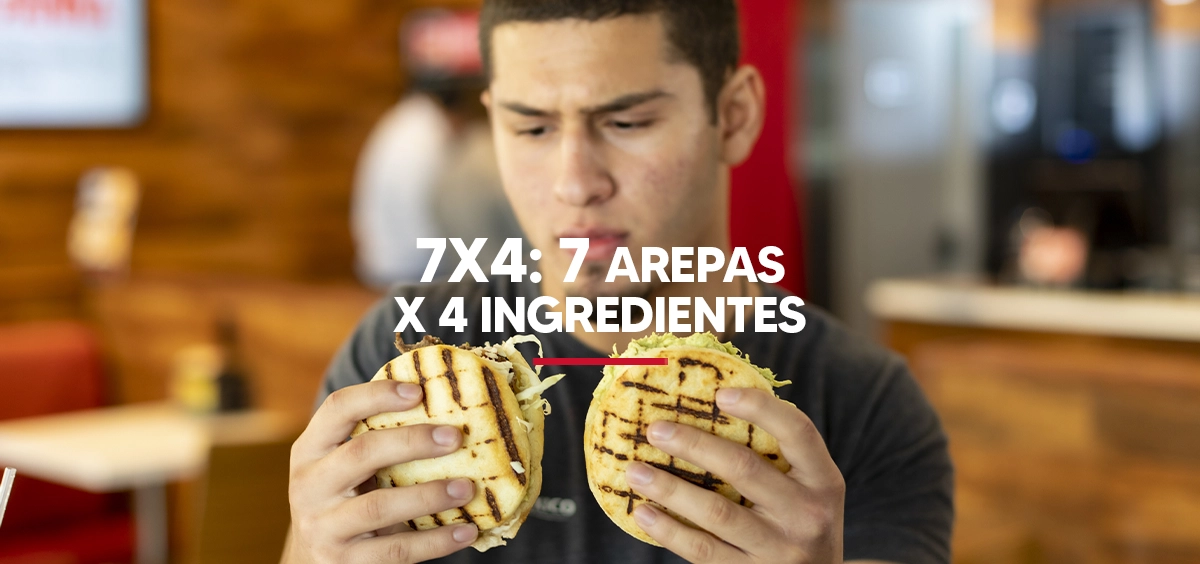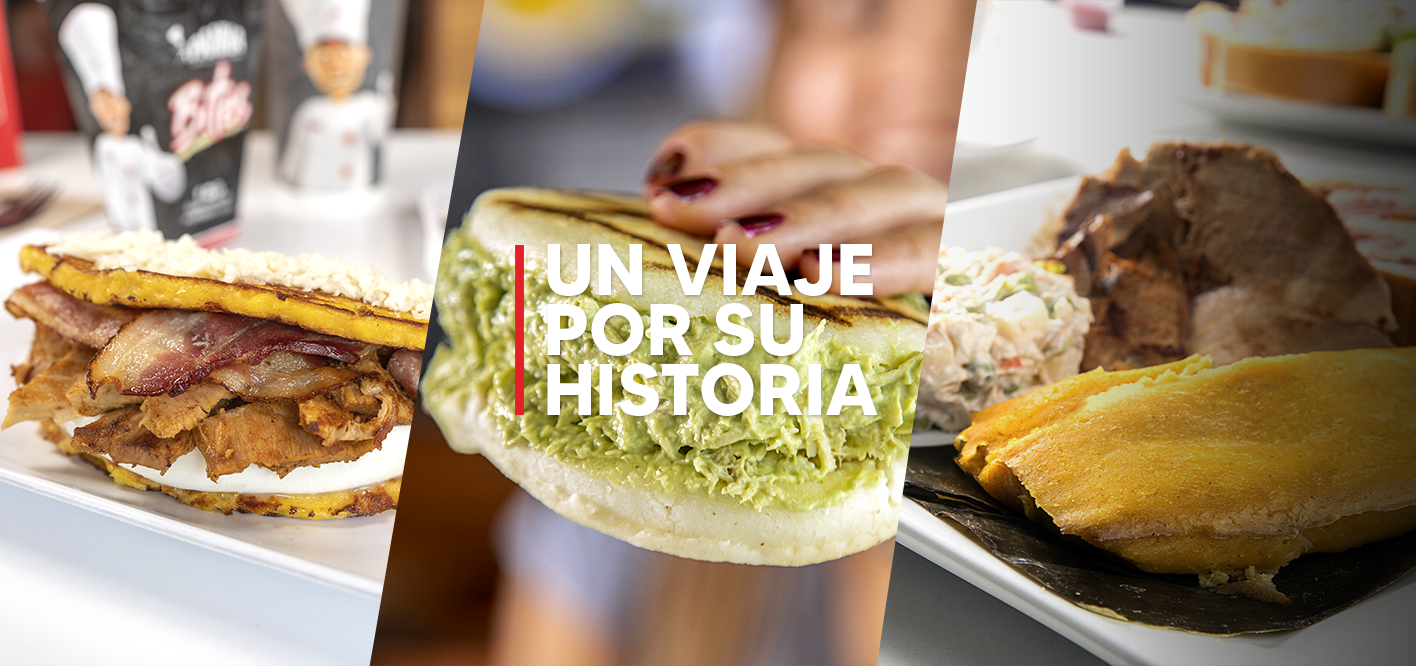
Venezuelan stuffed arepas are not just a corn base with something inside; they are a complete culinary structure where the relationship between dough, filling, and moisture defines the final result. In Venezuela, a well-executed arepa does not depend on the most eye-catching filling, but on how each element integrates; understanding Venezuelan stuffed arepas requires going beyond recipes and into the technical logic that holds them together.
Although the arepa has pre-Hispanic origins, documented among indigenous cultures such as the Timoto-Cuicas, the concept of stuffed arepas develops much later, particularly during the 20th century, when access to proteins, cheeses, and stewed preparations allowed it to evolve into a complete meal. This shift explains why today it is not just a side, but a fully structured dish.
VENEZUELAN STUFFED AREPAS: THE DOUGH AND ITS REAL FUNCTION
The pre-cooked corn flour dough used for Venezuelan stuffed arepas is not neutral or interchangeable. Its main function is not only to hold the filling, but to absorb, contain, and balance it. Achieving this depends on the correct ratio of water, salt, and flour; insufficient hydration leads to cracking, while too much water creates a weak structure that cannot support the filling.
The proper process involves mixing pre-cooked corn flour with warm water and salt, allowing the dough to rest for 3 to 5 minutes so it fully hydrates, then kneading until smooth and free of cracks. This resting stage, often overlooked, is critical because it allows starch granules to absorb water properly, preventing the arepa from breaking during cooking.
Cooking technique is equally important. First, the arepa is sealed on a griddle or pan to form a firm crust; then it is finished in the oven or over low heat to ensure the interior cooks through. Skipping this second stage results in a raw interior that cannot handle moist fillings.
TYPES OF FILLINGS AND HOW THEY BEHAVE
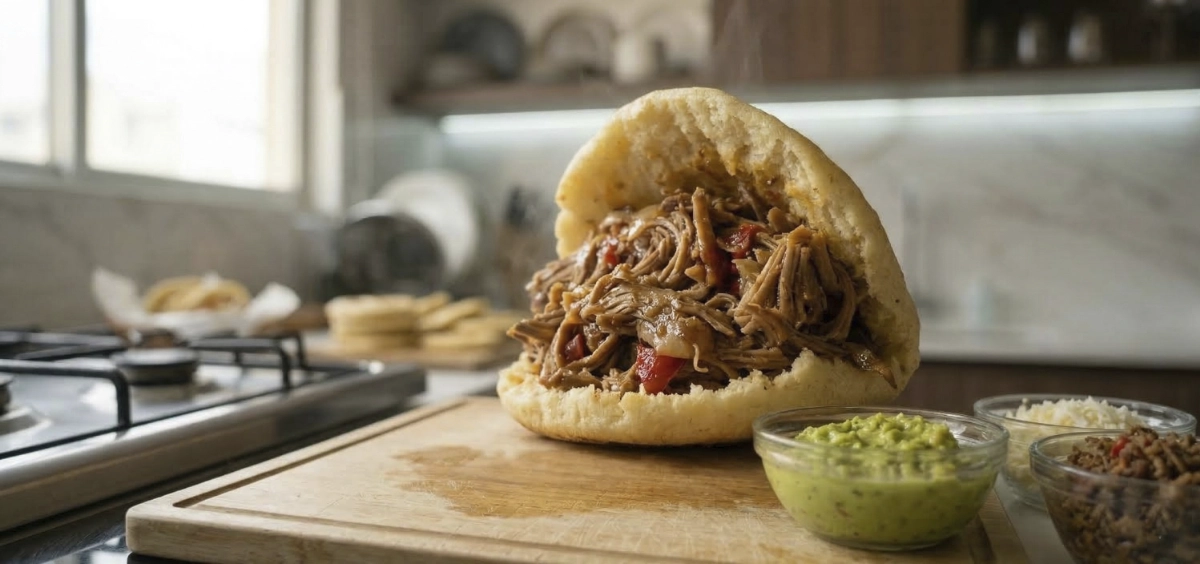
Not all fillings behave the same inside an arepa. Shredded beef, for example, requires controlled moisture; if too dry, it becomes grainy, but if too wet, it breaks the structure. The ideal result comes from proper collagen breakdown, where connective tissue turns into gelatin, providing juiciness without excess liquid.
Shredded chicken, being leaner and more fibrous, often needs a richer base or light sauce to avoid dryness. On the other hand, fillings like yellow cheese or grated white cheese provide fat and saltiness, but require balance, often through protein or slightly moist elements.
This reveals a clear technical principle: each filling has a distinct physical behavior inside the arepa. Understanding this prevents common mistakes such as combining incompatible elements or overwhelming the dough.
HOW TO ASSEMBLE A STUFFED AREPA THAT WORKS
Assembling a stuffed arepa is not random. The arepa should be opened while still warm but structurally stable; opening it when cold causes cracks, while opening it too early deforms it. The goal is to create an internal cavity without breaking the outer shell.
The order of layering matters. A light base is added first, followed by the main filling, and finally any complementary element. This structure distributes moisture evenly and prevents overload in a single area.
One of the most frequent mistakes is overfilling. A heavily stuffed arepa is not better; it loses structure, becomes difficult to handle, and falls apart. The ideal proportion allows the filling to dominate while the dough still performs its structural role.
REGIONAL AND CULTURAL VARIATIONS
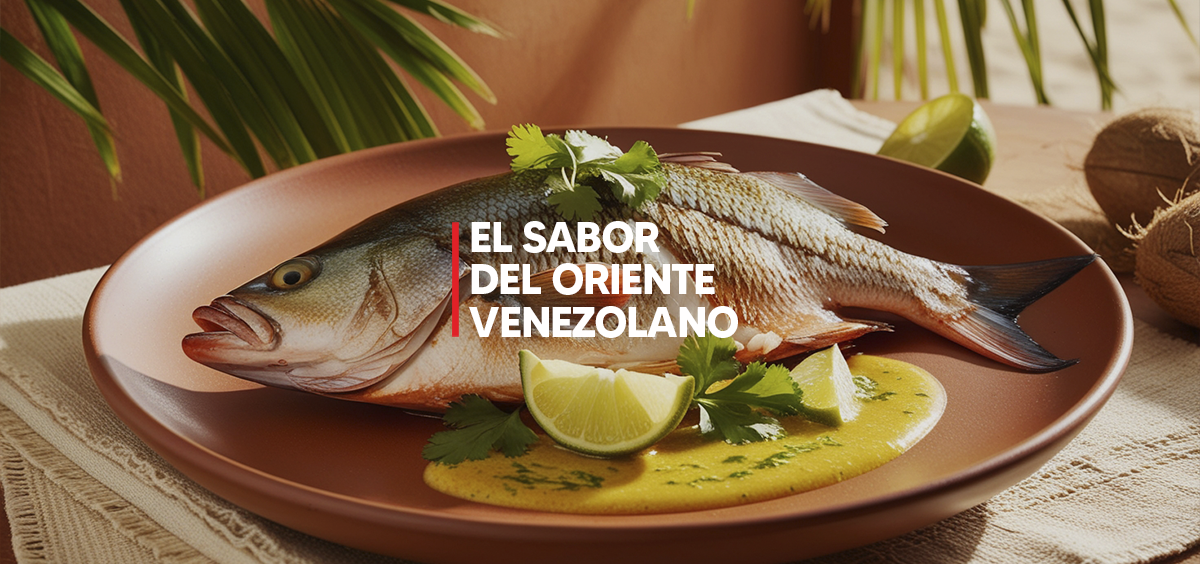
Although the arepa is a national symbol, its fillings vary by region. In Caracas, combinations like reina pepiada or pelúa are common; in eastern regions, fillings tend to be simpler, often with fish or cheese.
In the Andes, arepas may be thicker with more restrained fillings, while central regions favor abundance. These differences are not only cultural but functional, reflecting ingredient availability, local habits, and context.
COMMON MISTAKES THAT RUIN A STUFFED AREPA
One of the most common mistakes is improper dough cooking. A poorly cooked arepa cannot support any filling, no matter how well prepared. Another frequent issue is ignoring the temperature of the filling; adding very cold fillings disrupts the overall texture.
There is also the problem of texture incompatibility. Combining overly liquid fillings with fatty elements can create a heavy, undefined result. The key is to approach the arepa as a system, not just a mix of ingredients.
THE DETAIL THAT MAKES THE DIFFERENCE
A well-made arepa can be eaten without falling apart, maintaining its shape from start to finish. That is the true indicator of quality. It is not about size or quantity, but coherence.
When every element fulfills its role, the experience changes. There is no excess, no lack; there is balance.
And when looking for Venezuelan stuffed arepas in Miami, this is what sets them apart: not just flavor, but structure. Because a properly made arepa is not improvised, it is built.
At Panna, that logic is respected in every preparation. Because beyond the filling, what matters is that the arepa works from start to finish, exactly as it should.