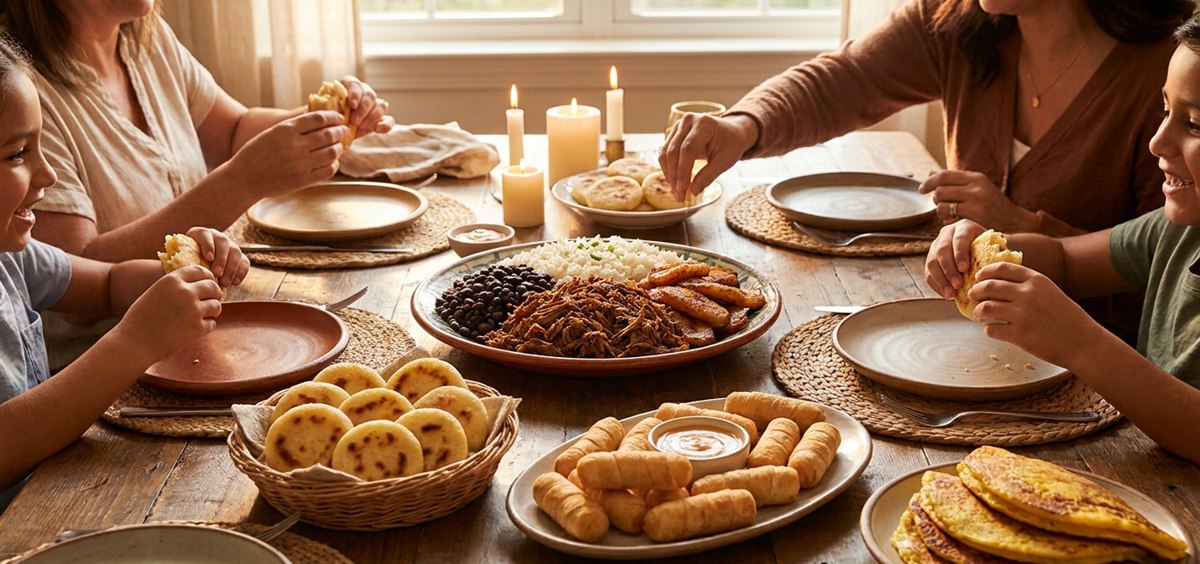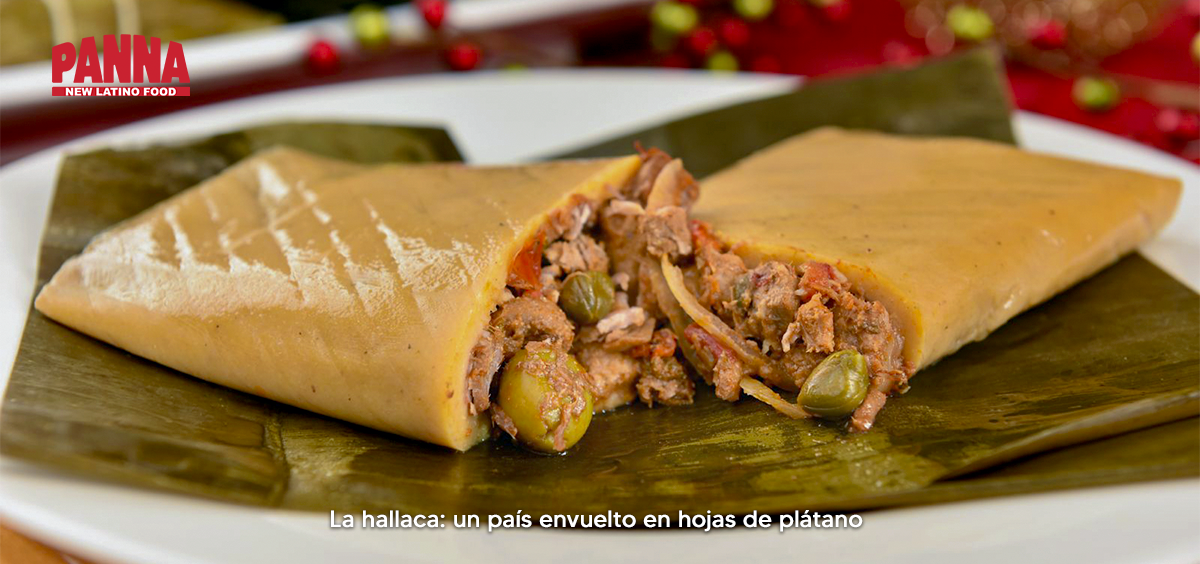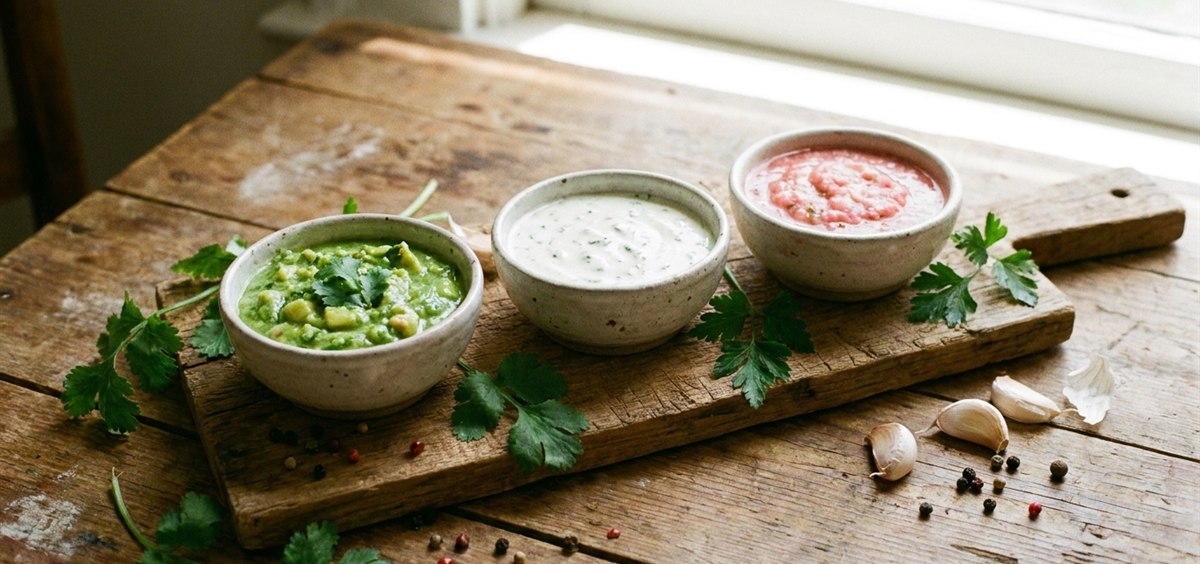
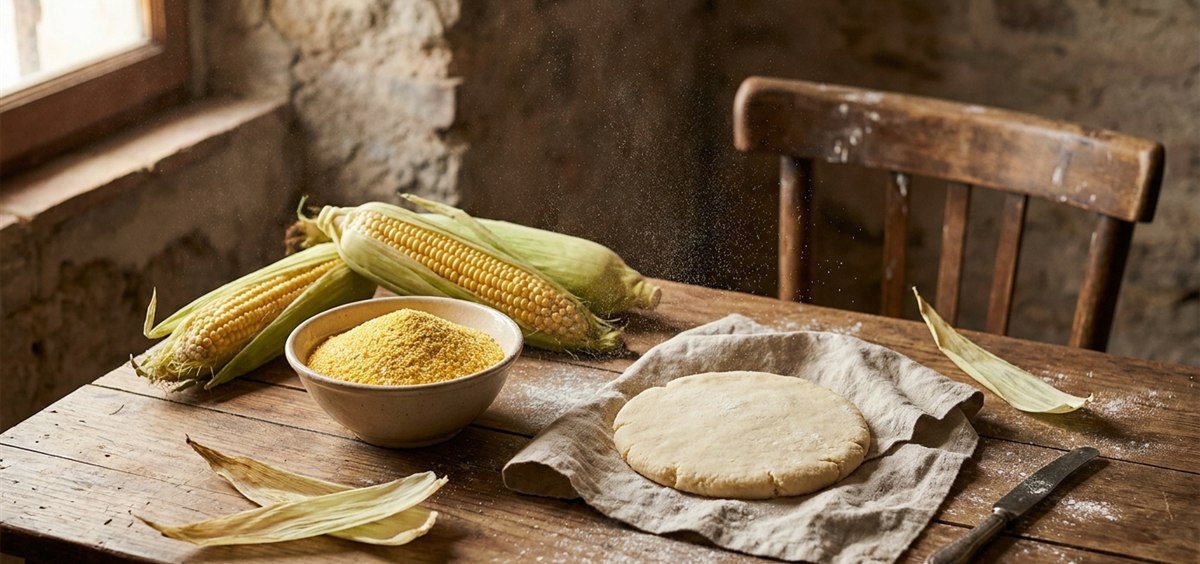
Corn is the heart of Venezuelan food because it forms the base of everyday dishes like arepas, cachapas and empanadas. It can be neutral, sweet, soft, crisp, grilled or fried depending on how it is prepared. In Venezuelan cooking, corn is not just an ingredient; it is structure, memory and comfort.
Why is corn so important in Venezuelan food?
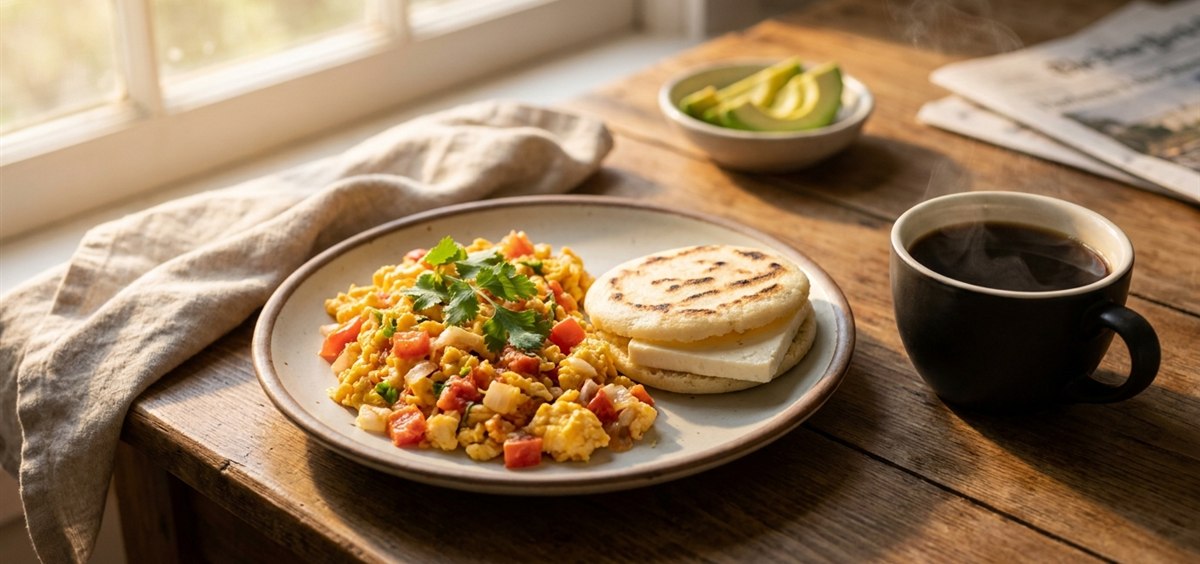
Corn matters in Venezuelan food because it appears across many moments of the day. It is there at breakfast in an arepa with cheese, at lunch in an empanada filled with carne mechada, and in a cachapa when the craving is sweet, warm and generous.
What makes corn so important is its range. It can be mild enough to hold strong fillings, sweet enough to become the main flavor, firm enough to work as a handheld pocket, or tender enough to fold around cheese. Few ingredients move so easily between everyday practicality and emotional memory.
In Venezuela, corn changes depending on the technique. Precooked cornmeal gives structure to arepas and empanadas. Sweet corn gives cachapas their softness and natural sweetness. Fried corn dough creates crisp edges. Griddled corn dough creates a warmer, calmer bite. The ingredient stays familiar, but the experience changes completely.
How does corn change from arepas to cachapas?
The difference between arepas and cachapas is one of the clearest ways to understand corn in Venezuelan food. Both are corn-based, but they do not behave the same way.
An arepa is usually made with precooked cornmeal, water and salt. The dough is shaped by hand, cooked until firm outside and tender inside, then opened like a pocket. Its flavor is mild and balanced, which allows fillings like cheese, shredded beef, chicken, black beans or eggs to lead the bite.
A cachapa is built around sweet corn. It is softer, moister and naturally sweeter. Instead of being opened and filled like an arepa, it is cooked like a thick pancake and folded, often around cheese. In a cachapa, the corn itself is the main flavor. The cheese balances the sweetness with salt and creaminess.
The difference is not only recipe; it is function:
- Arepas use corn as structure.
- Cachapas use corn as flavor.
- Arepas are usually filled.
- Cachapas are usually folded.
- Arepas can be savory and neutral.
- Cachapas lean sweet and soft.
This is why both can be deeply Venezuelan without being interchangeable.
Why does precooked cornmeal matter so much?
Precooked cornmeal matters because it made the arepa practical, consistent and deeply connected to daily life. The flour absorbs water quickly, forms a workable dough and allows people to prepare arepas without grinding corn from scratch. That practicality helped the arepa become a daily food rather than something reserved for special occasions.
From a technical point of view, hydration is everything. If the dough has too little water, it cracks at the edges and becomes dry after cooking. If it has too much water, it becomes sticky, heavy and difficult to shape. The right dough should feel smooth, soft and moldable.
Precooked cornmeal also gives arepas their clean corn flavor. It creates a base that can carry cheese, guisos, beans or meats while keeping the bite grounded. That is why a good arepa is not only about what goes inside; the corn base must be right first.
Why does corn work so well with cheese, meats and beans?
Corn works well with cheese, meats and beans because it has enough flavor to be present, but enough neutrality to let other ingredients shine. In Venezuelan food, corn often acts as the structure that organizes stronger flavors.
With cheese, corn creates one of the most reliable Venezuelan contrasts. The corn brings warmth and body; the cheese brings salt, creaminess and sometimes stretch. That is why cheese arepas and cachapas with cheese feel complete even when they are simple.
With carne mechada or shredded chicken, corn provides a gentle base for savory, seasoned fillings. The dough softens the intensity of the guiso and makes the bite easier to hold. With black beans, corn brings structure to something earthy and creamy.
This balance is one of the reasons Venezuelan corn-based dishes are so adaptable. The same arepa can feel light with cheese, rich with beef, earthy with beans or abundant with several fillings together.
Why are empanadas another expression of Venezuelan corn?
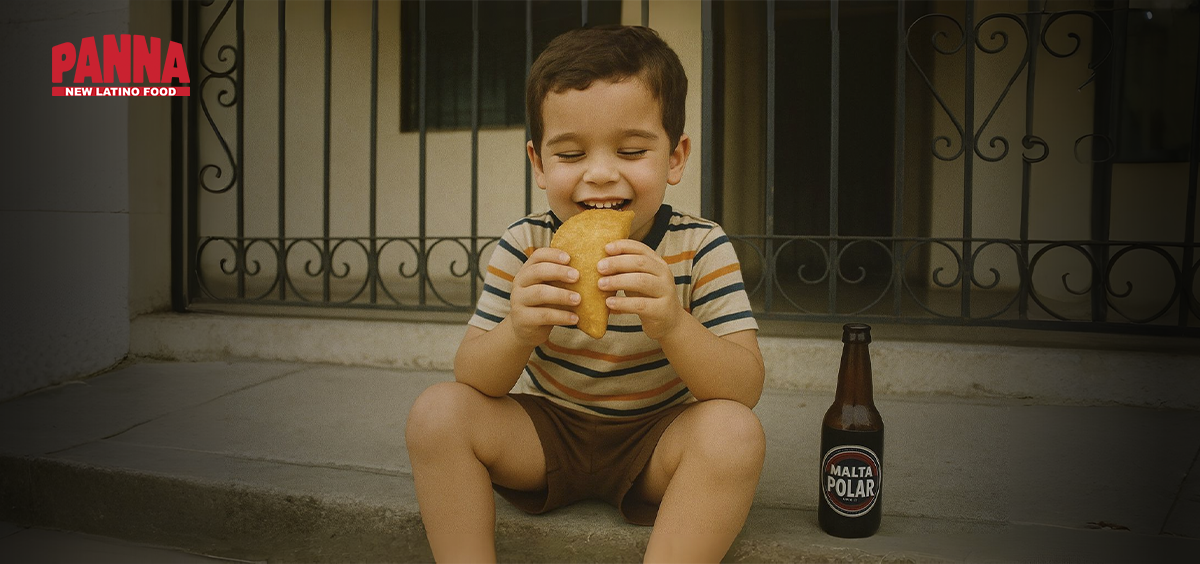
Venezuelan empanadas show a different side of corn because they use the dough for frying. The corn dough is folded around a filling, sealed and fried until golden. The result is not the same as a wheat pastry. It is tender inside, crisp at the edge and deeply connected to Venezuelan breakfast and street food.
The technical challenge is different from an arepa. An empanada dough must be flexible enough to fold without cracking and strong enough to hold the filling during frying. The filling must also be controlled. If it is too wet, it weakens the dough. If it is too dry, the empanada feels empty.
The corn shell is not just a wrapper. It brings flavor, texture and identity. That is why a Venezuelan empanada tastes Venezuelan before the filling even takes over.
Why does corn make Venezuelan food easy to understand for first-time visitors?
Corn makes Venezuelan food easier to understand because many people already know corn in some form. What surprises them is how Venezuela uses it. Instead of only serving corn as a side, Venezuelan cooking turns it into the main structure of the meal.
A first-time visitor can understand an arepa as a warm corn pocket, a cachapa as a sweet corn fold with cheese, and an empanada as a fried corn turnover. Those explanations are simple, but the flavors are deeper once the person starts eating.
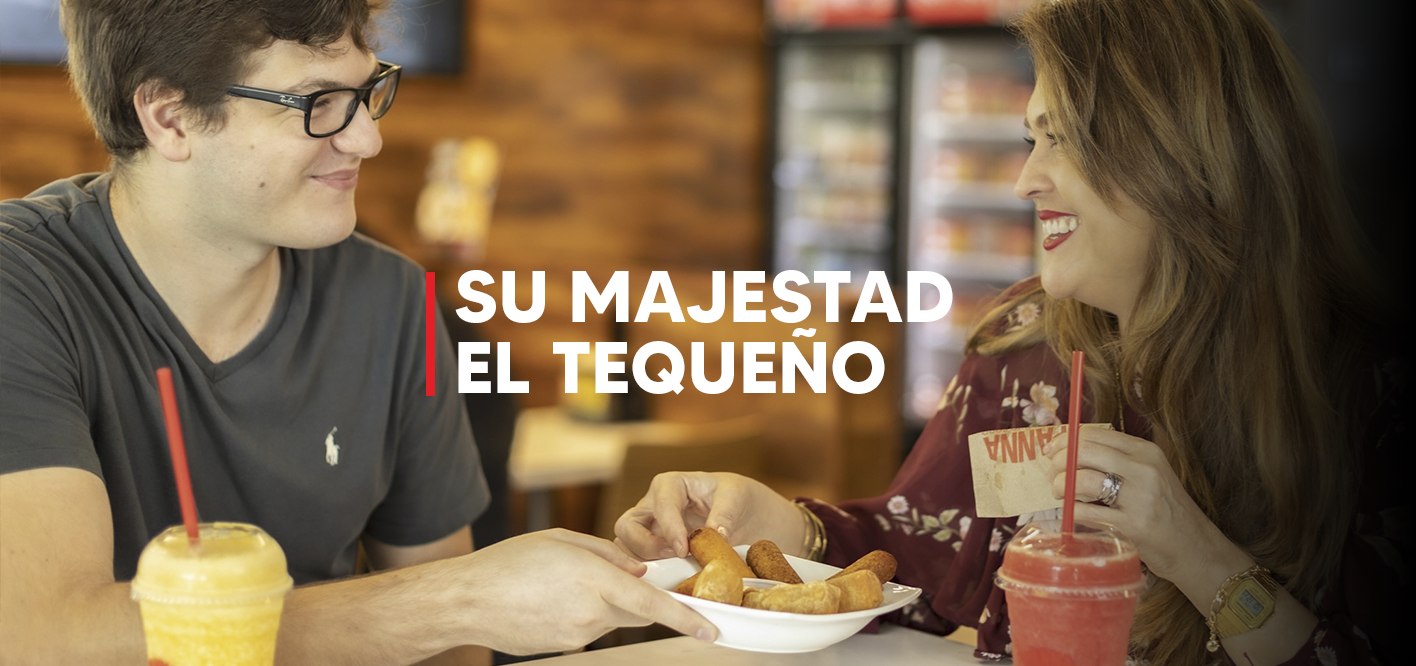
At PANNA, corn is one of the clearest ways to experience Venezuelan food because it connects so many dishes on the menu: arepas, cachapas, empanadas and the larger feeling of food made to be warm, generous and satisfying.
Frequently Asked Questions
Why is corn used so much in Venezuelan food?
Corn is used so much because it is one of the main foundations of Venezuelan cooking. It appears in arepas, cachapas, empanadas and many everyday meals, giving structure, flavor and comfort.
Are Venezuelan arepas made with corn?
Yes. Venezuelan arepas are commonly made with precooked cornmeal, water and salt. The dough is shaped, cooked and opened like a pocket for fillings.
What is the difference between corn in arepas and cachapas?
Arepas usually use precooked cornmeal, which creates a moldable dough. Cachapas use sweet corn or sweet corn batter, giving them a softer texture and naturally sweeter flavor.
Is Venezuelan corn food sweet or savory?
It can be both. Arepas and empanadas are usually more savory, while cachapas are sweeter. Venezuelan food often balances corn with cheese, meats, beans or sauces.
Corn is the heart of Venezuelan food because it does more than fill the plate. It gives shape to arepas, sweetness to cachapas, texture to empanadas and comfort to everyday meals. At PANNA, that Venezuelan relationship with corn becomes something you can taste directly: warm, generous, familiar and always ready to carry the flavors that make the food feel like home.