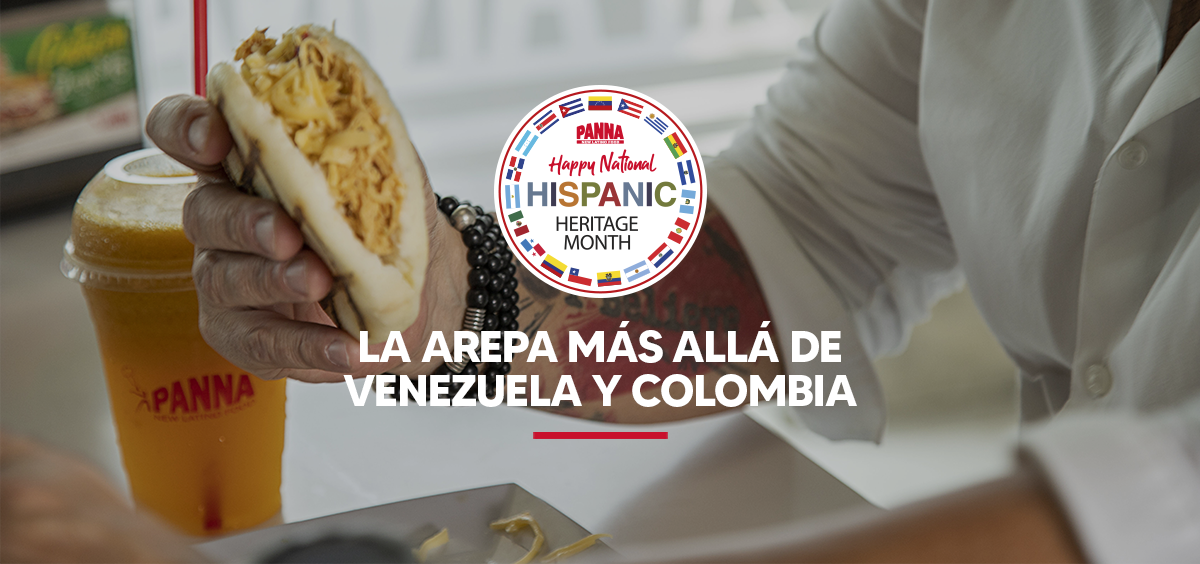
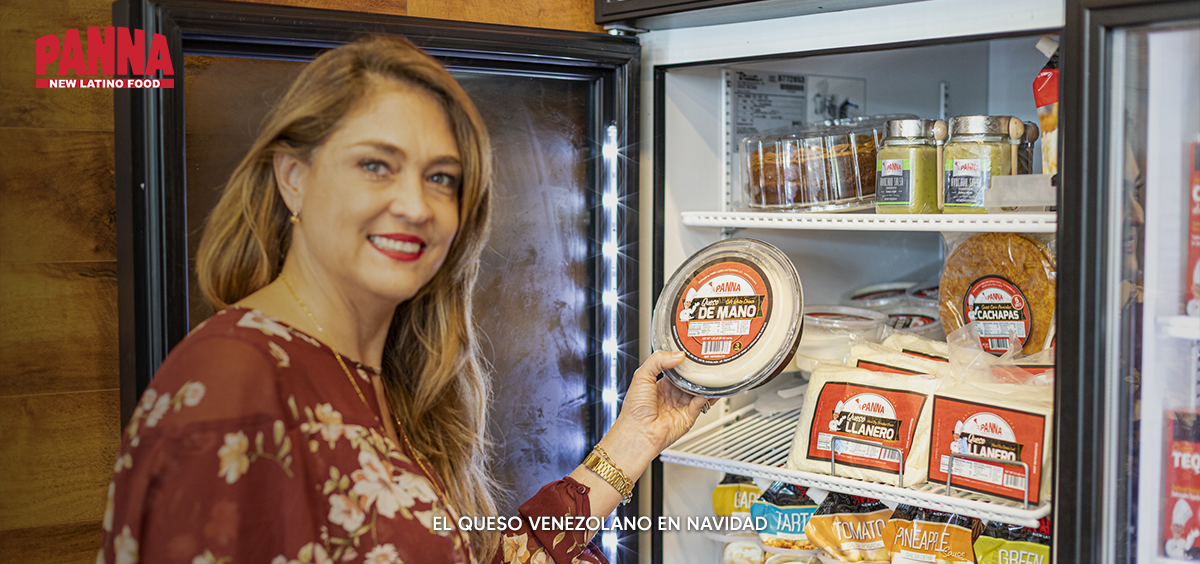
If there is one ingredient that makes its way across every table in Venezuela, from breakfast to Christmas dinner, it’s cheese. In the land of the arepa and tequeño makers, cheese isn’t a sidekick: it’s the heart of the recipe. No holiday table is complete without its presence; it appears grated over a freshly opened hallaca, melted inside pan de jamón, oozing out of tequeños, or served on a board next to ponche crema and traditional sweets. Venezuelan cheese doesn’t rest in December. It is everywhere, playing its discreet but essential role: bringing flavors together, rounding out textures, and awakening memories.
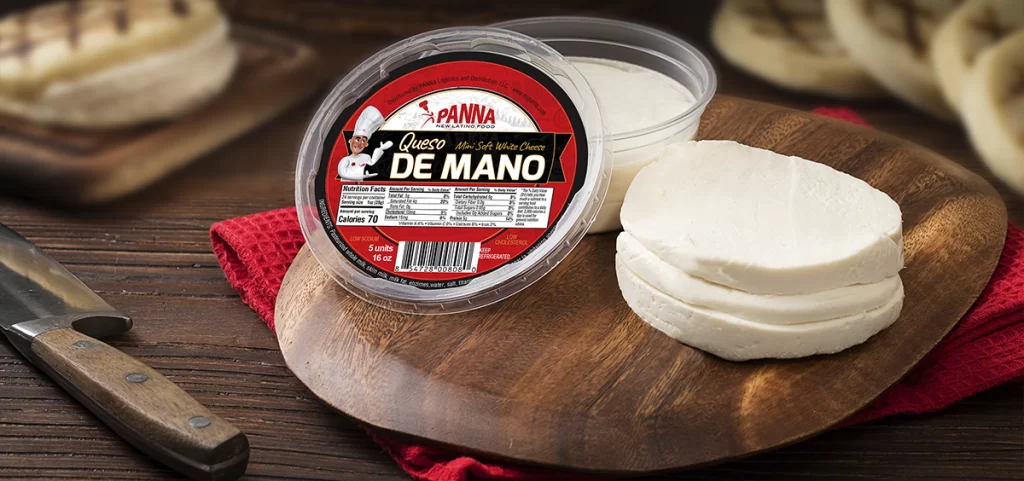
The Venezuelan relationship with cheese is deeply emotional. From childhood, we learn to recognize its smell, its perfect level of salt, and its ideal texture for grating or melting. We aren’t talking about just one cheese, but an entire universe that reflects the geography and character of the country. Every region has its star: the soft and stretchy queso de mano from the center; the buttery and silky guayanés; the almost creamy telita; the firm and salty palmita from the Andes; or the dry, strong, and enduring hard llanero. They all share a common trait: they are made to coexist with heat, improvisation, and generosity.
A FLAVOR BORN FROM THE CLIMATE AND ARTISANAL HANDS The diversity of Venezuelan cheeses isn’t a coincidence; it’s the result of a warm climate, a widespread cattle-ranching tradition, and popular ingenuity that has managed to turn milk into art. In the Plains (Los Llanos), for example, cheese is made at dawn, when the milk still holds the cow’s warmth. In the Andes, the cold allows firmer wheels with concentrated flavor to age. In the East, fresh cheese is sold the same day it’s made, wrapped in leaves or covered in salted whey.
A Venezuelan doesn’t wait months to enjoy their cheese. They eat it fresh, moist, with that touch of salt that balances the sweetness of a plantain or the softness of an arepa. That custom, inherited from centuries of artisanal practice, explains why the country’s cheeses have such a lively flavor: they are made for the present. In December, that freshness takes center stage; fresh cheeses are used to fill tequeños, mini empanadas, or pastelitos, while the harder ones are grated over bollitos or combined with guava to create irresistible contrasts.
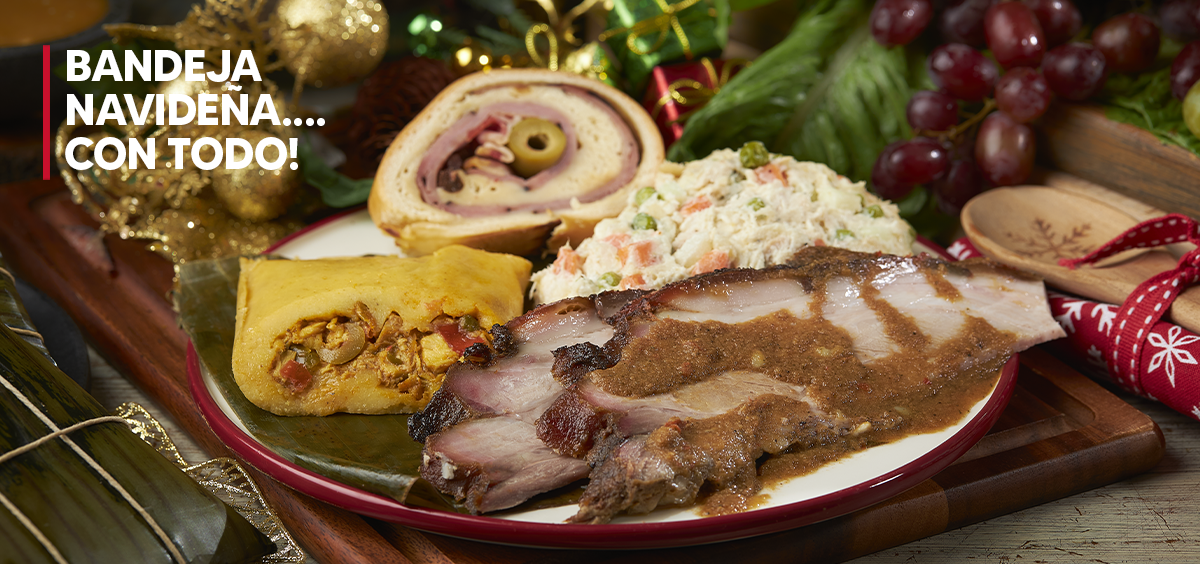
CHEESE AND CHRISTMAS: A PERFECT MATCH In Venezuelan gastronomy, cheese has a knack for sneaking into any dish. At Christmas, that versatility multiplies. It doesn’t just appear in savory recipes, but also in sweet ones, proving that its role is much broader than it seems. Hallacas are sometimes served with a slice of white cheese on the side; holiday empanadas, filled with meat or dogfish (cazón), gain creaminess with a touch of queso guayanés; and pan de jamón finds an unexpected ally in queso de mano when looking for a softer, meltier filling.
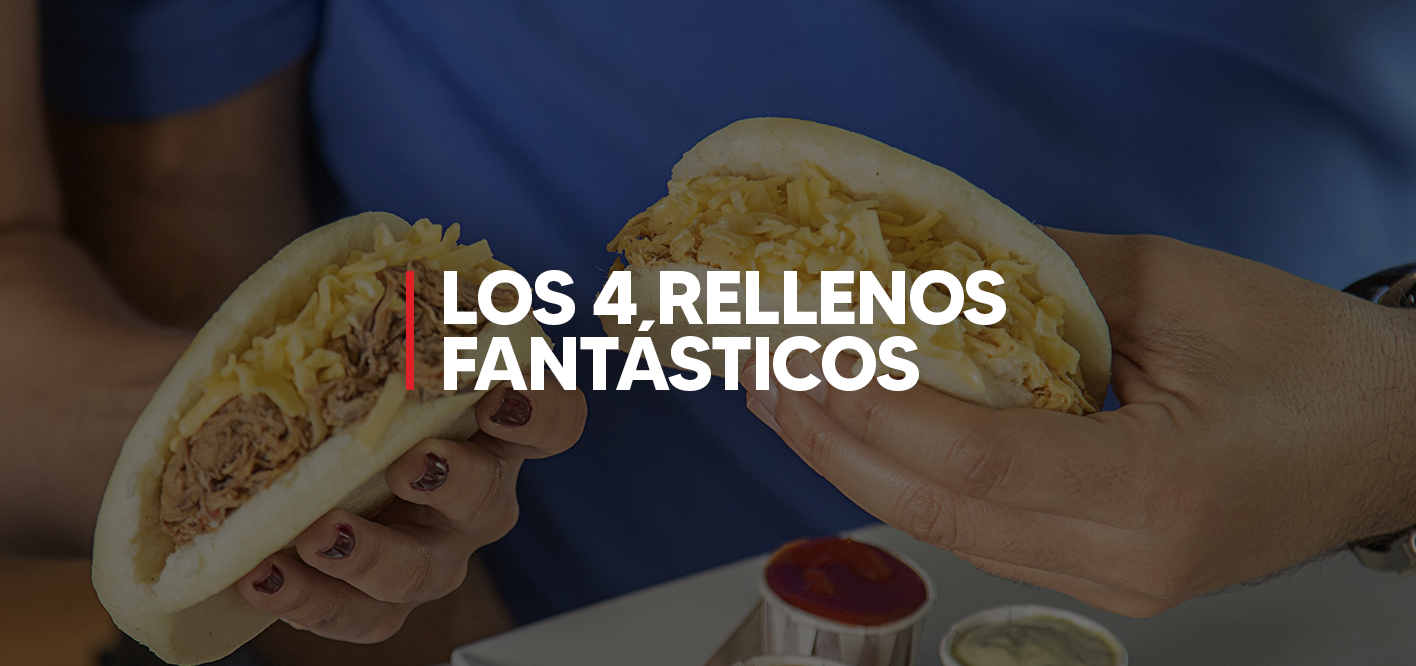
Tequeños, the absolute kings of the holidays, are the best ambassadors of our fresh cheese: their flavor depends on the filling not being generic, but authentically local (criollo). No imported mozzarella can compete with a good queso de mano, firm and with just the right moisture to stretch without breaking. The same goes for sweet corn bollitos with palmita cheese, a classic at family gatherings, or savory tartlets that on modern tables combine guayanés with sweet pepper (ají dulce) and caramelized onions. In every bite, there is a lesson in balance: cheese brings calm, rounds things out, and provides coherence.
Even in desserts, cheese has its place. In the Andes, it is served with candied papaya (dulce de lechosa) or raw cane sugar syrup (melao de papelón); in the East, it accompanies coconut or pineapple preserves; and in many homes in the center of the country, quesillo is garnished with a touch of grated cheese that intensifies its flavor. The combination of sweet and savory is part of our gastronomic identity, and cheese is the common thread of that uniquely Venezuelan contrast that always surprises and wins you over.
AN IDENTITY DEFENDED WITH FLAVOR Beyond its culinary function, Venezuelan cheese is a mark of origin, a sign of identity. In recent years, artisanal producers have taken the spotlight, proving that behind every wheel or block there is knowledge passed down from generation to generation. Making cheese in Venezuela is still an act of craftsmanship and resistance. There are no sophisticated factories or secret recipes; there are hands, improvised thermometers, wooden presses, and an inherited intuition that allows them to pinpoint the exact moment the curd is ready.
That knowledge, which seems simple, is actually the result of centuries of adaptation. That is why, when a Venezuelan tastes a criollo cheese outside the country, they feel a mix of joy and nostalgia: joy at finding something of their own, and nostalgia because they know it will never taste exactly the same. It’s not just about the flavor, but the surroundings. Cheese, like music or speech, has an accent. And ours sounds like a warm breeze, an open field, a budare (griddle), and a Sunday breakfast.
CHEESE IN CONTEMPORARY VENEZUELAN CUISINE The new generation of Venezuelan chefs has reclaimed the value of criollo cheese in modern culinary concepts. In restaurants in Caracas, Valencia, or Maracaibo, and also in cities abroad, it’s common to see dishes where queso de mano is served with candied tomatoes, guayanés is melted over artisanal breads, or palmita is integrated into gratins and fillings. This evolution doesn’t seek to overcomplicate our food, but to give it the place it deserves in contemporary gastronomy.
Venezuelan cheese is, essentially, a bridge between the traditional and the modern. Its adaptability makes it an ally for any recipe, from pabellón criollo to the most refined canapés. And in December, when the spirit of sharing dominates the kitchen, cheese becomes a silent protagonist: it accompanies, softens, and supports. There is no holiday dish that doesn’t benefit from its touch, and no gathering that doesn’t appreciate it.
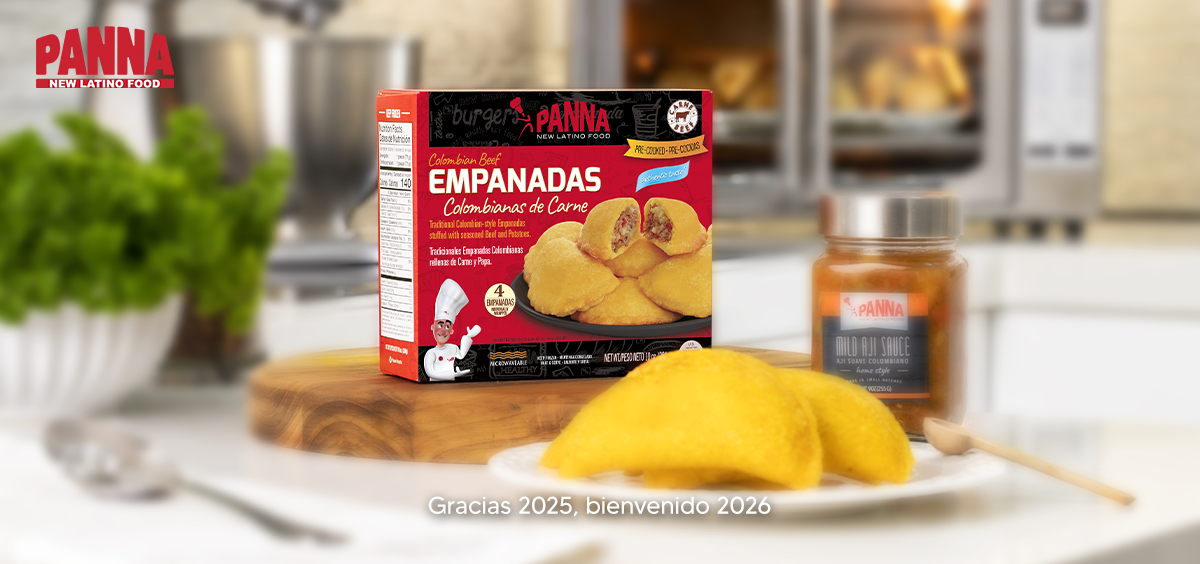
AT PANNA, CHEESE CELEBRATES TOO At PANNA, we understand that Venezuelan cheese isn’t just an ingredient, but a piece of our identity. That is why we use it with respect, taking care of its freshness and its exact point of salt. It is present in our tequeños, in our empanadas, in the pan de jamón, and even in our sweet options, where the contrast between white cheese and guava creates a unique harmony… and in our fridges, so you can take it home and always have it on hand.
Every December, when the aroma from the ovens announces the arrival of Christmas, cheese once again reminds us why our cuisine is so generous. There is no greater luxury than the taste of authenticity, and no symbol more Venezuelan than that fresh cheese that, without making a fuss, slips into every dish and conquers every table.