
For the December 31st festivities, Venezuelan cuisine experiences a second burst of energy. Barely a few days have passed since Christmas, but the whole country fires up the stoves again. Some plan a big party, others prefer an intimate dinner; however, in all cases, the menu takes center stage once again. It doesn’t matter if it’s a simple table or a full feast: the end of the year is measured by the flavors that accompany the toast, by the smell of the oven, and by that almost sacred ritual of cooking to attract good things.
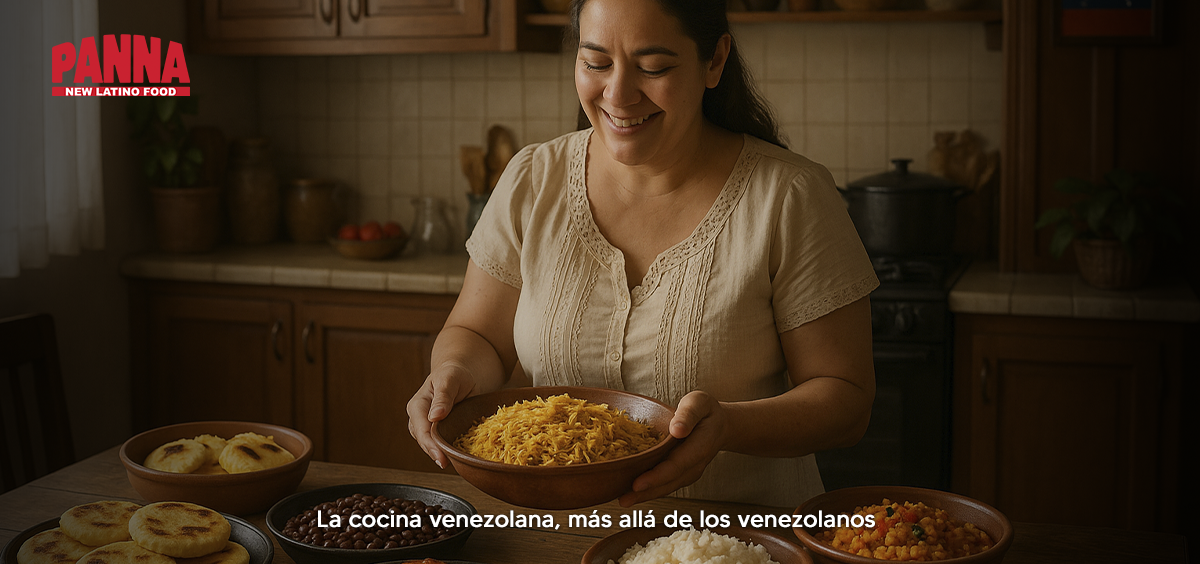
In Venezuela, New Year’s Eve celebrations are a tribute to optimism. Every dish is chosen with intention: the hallacas still left over from the 24th, the asado negro or the glazed pork leg (pernil) prepared with papelón, the rice with peas or raisins that symbolizes abundance, the cold salads with homemade mayo, the bollitos with butter, and, of course, the pan de jamón that can never be missing. In many homes, the kitchen becomes a workshop of aromas; while chopping onions or mixing dough, gaitas play, bottles are opened, and a phrase everyone understands is repeated: “May the coming year bring flavor.”
BETWEEN THE TOAST AND LUCKY FLAVORS The Venezuelan New Year blends superstition and gastronomy with a charming naturalness. Twelve grapes are eaten to the rhythm of the bells, toasts are made with ponche crema or ice-cold sparkling wine, and meaningful dishes are served. Lentils, for example, appear on many tables as a symbol of prosperity; pork, due to its generous flavor and abundant meat, represents fortune; and freshly baked bread is synonymous with work and home. Food becomes a wish: you eat to give thanks, to attract, to share.
Some families prepare their own gastronomic rituals. Some have a big New Year’s Eve barbecue (parrilla), mixing ribs, chorizos, and roasted vegetables; others opt for a more traditional dinner with pernil and mashed potatoes. In the cities, restaurants and bakeries fill up with last-minute orders: hallacas, salads, breads, and sweets. And everywhere, the same gesture is repeated: tasting the stew, adjusting the salt, watching the clock, and knowing midnight is approaching.
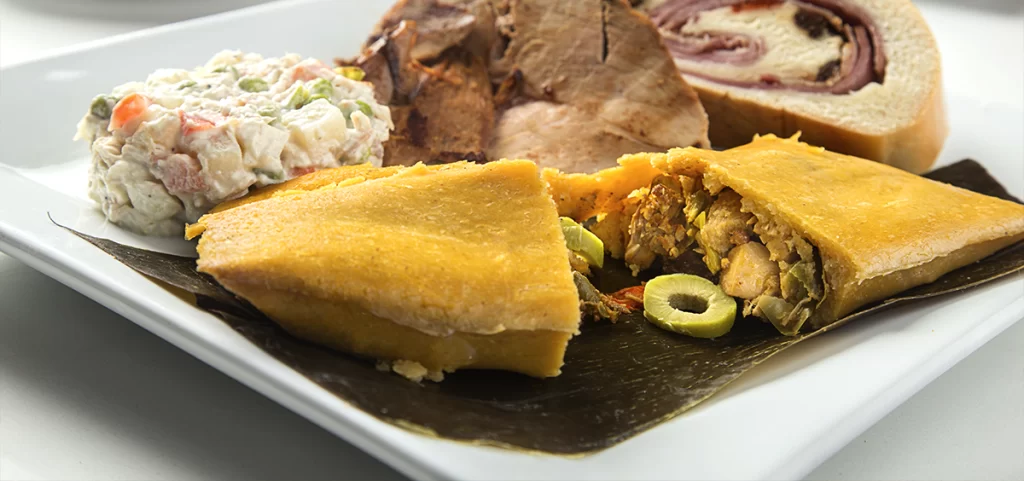
THE KITCHEN AS A BRIDGE BETWEEN YEARS Beyond superstitions, what really unites Venezuelans on the 31st is the table. Food becomes a meeting point, a common language. Families gather to prepare the dishes of the ending year, but also to think about the ones for the year to come. Leftovers from Christmas are shared, new recipes are tested, and meals are improvised with whatever is available, proving once again that creativity that defines our gastronomy.
On December 31st, the kitchen doesn’t just smell like food; it smells like hope. And when the clock strikes twelve, amidst hugs and fireworks, there is always someone who says: “Let’s toast to the coming year, and may flavor never be missing!” That phrase, simple and powerful, sums up who we are: a country that, even in uncertainty, celebrates life through taste.
AT PANNA, WE TOAST WITH FLAVOR AND GRATITUDE At PANNA, the end of the year is also celebrated around the kitchen. Every dish we prepare these days carries the same love with which our brand was born: the desire to share the best of our Venezuelan food, without losing its essence or warmth.
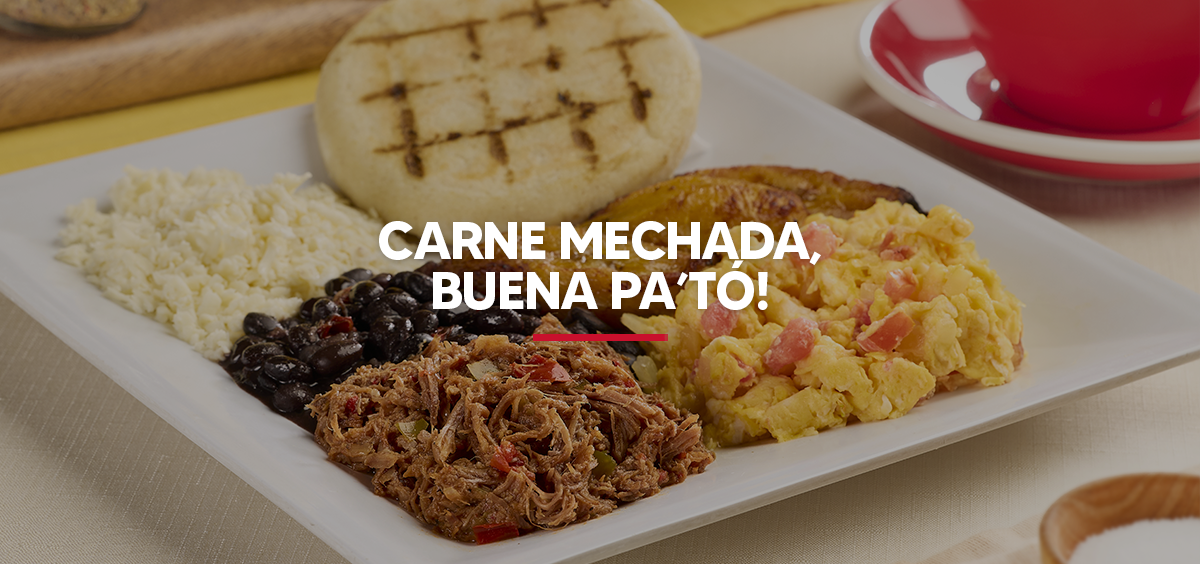
This New Year’s Eve, we have accompanied you with our hallacas, appetizers (pasapalos), sweets, and hot coffee; with our arepas, cachapas, empanadas, and full meals, but also with the joy of continuing to be part of your traditions.
Because at PANNA, every December [brings a new reason to celebrate / reminds us why we love cooking for you].