A few days ago, I traveled to Madrid and met up with some dear Argentine friends who, like me, live in Miami. The fast pace of the “Magic City” had kept us from catching up, but the holidays finally gave us that chance.
During our relaxed conversation, we talked about everything: memories, shared friendships, politics, and, of course, “work.” That’s how my project with PANNA New Food Latino came up. To my surprise, their two daughters (ages 15 and 18), who had been listening quietly, recognized the name immediately. With excitement and that charming Argentine accent, the eldest said:
“My friends and I are huge fans of the tequeños!”
I immediately beamed with pride, as if I were the one in the kitchen or a direct descendant of the family from Los Teques who created them. Does it get any better for a Venezuelan than seeing our culture take center stage like this?
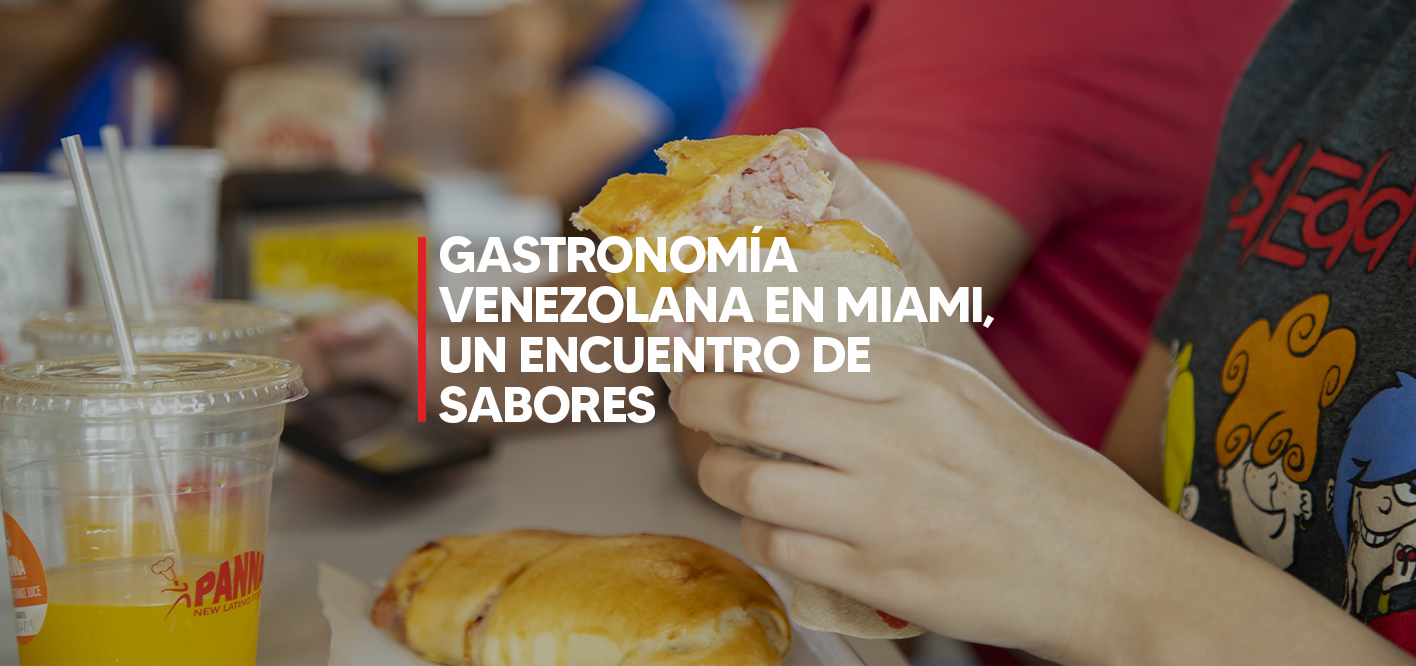
A CROSSROAD OF FLAVORS: VENEZUELAN CUISINE IN MIAMI
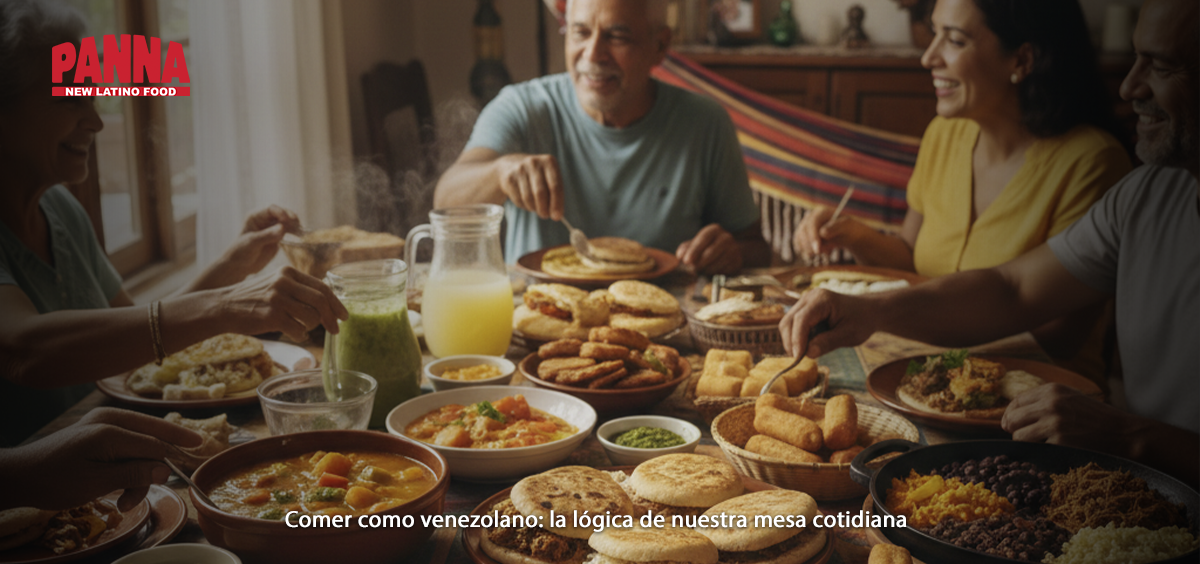
Miami has become a culinary mirror of Venezuela, reflecting a range of flavors that build cultural bridges and foster a sense of community. For a long time now, these mestizo flavors have found a new home in every arepa, pabellón, cachapa, or tequeño served. They offer relief to the nostalgic and educate the palates of visitors from all over the world.
THE VENEZUELAN COMMUNITY AS AMBASSADORS
In Miami, our community is one of the most vibrant. Recipes passed down through generations come to life on the Miami table, making us ambassadors of our history. The authenticity of the ingredients and the loyalty to our culinary practices have been crucial to our success in Florida.
KEY INGREDIENTS AND DISHES
Our pantry is filled with essentials that have now populated the shelves and menus of Florida:
- Corn: The most iconic element. It is the base of the arepa, but also essential for hallacas and cachapas.
- Tubers and Grains: Yuca (cassava) stands out for its versatility—fried or as a side in stews. Black beans (caraotas) provide the essential protein and fiber of our daily diet.
- Tropical Fruits: Mango, soursop (guanábana), and guava add a unique touch to juices, jams, and desserts, reflecting our country’s biodiversity.
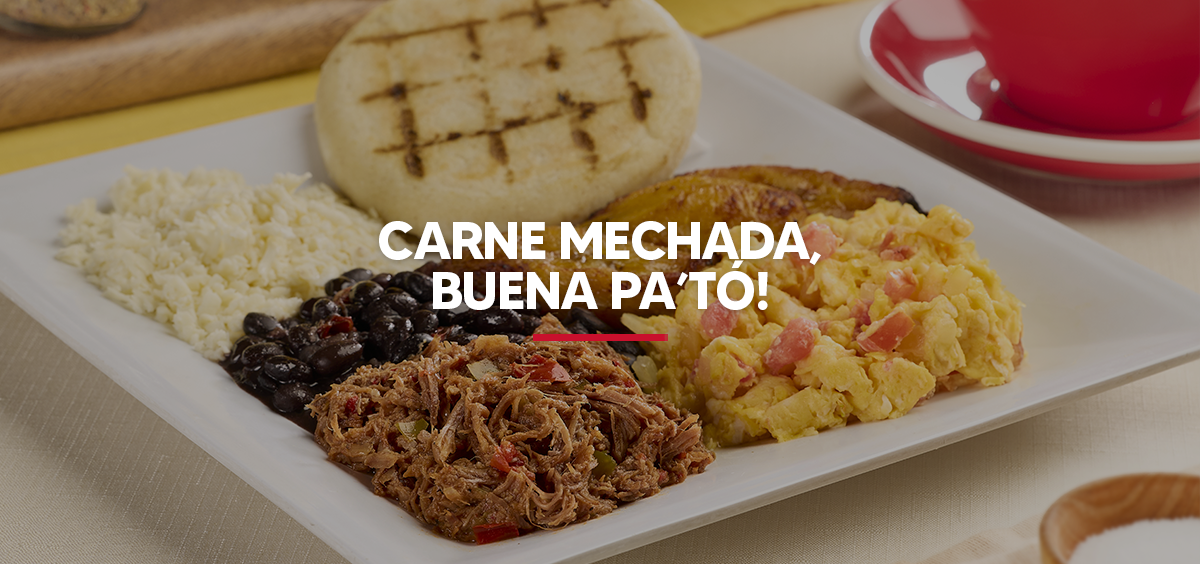
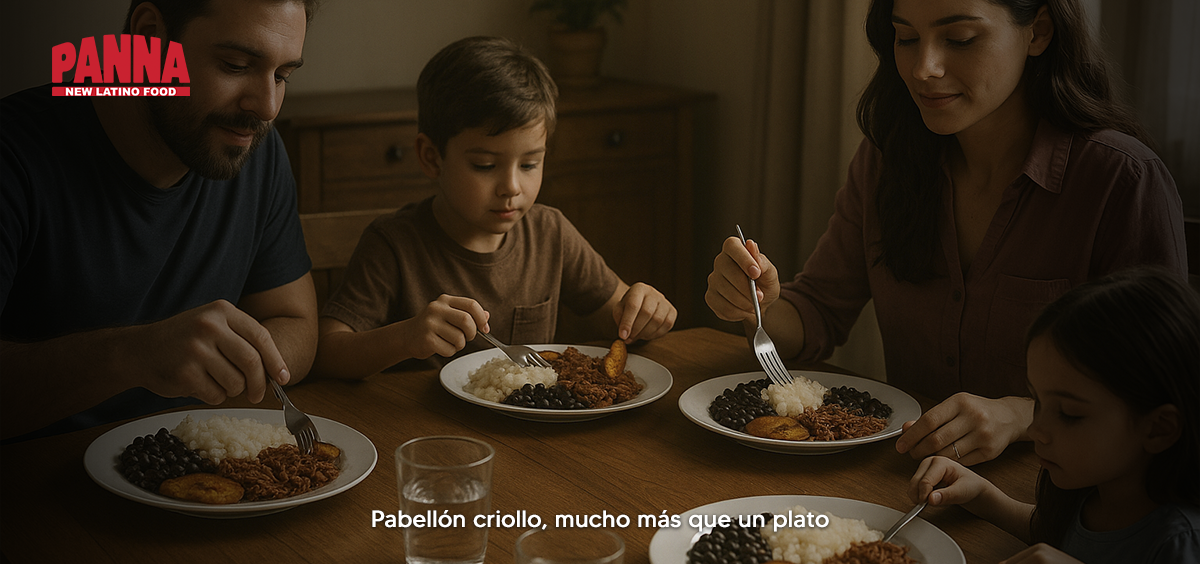
The Heart of the Menu: 4. Arepas: The core of breakfast and dinner. This corn-flour disc can be stuffed with everything from carne mechada to perico (scrambled eggs with tomato and onion). 5. Hallacas: Our Christmas soul. A collective labor of love that combines corn dough, a rich meat stew, olives, raisins, and capers, all wrapped in plantain leaves. 6. Pabellón Criollo & Cachapa: The Pabellón is our national dish (shredded beef, rice, black beans, and fried plantains). The Cachapa is a thick, sweet corn pancake often filled with queso de mano, offering the perfect balance of sweet and savory.
SOCIAL AND ECONOMIC IMPACT
The surge of Venezuelan cuisine has enriched Miami’s culinary fabric and boosted entrepreneurship. Despite challenges like the pandemic, our ability to adapt has been key. Beyond the data, what truly matters is the privilege of staying in touch with our traditions and seeing how they enchant foreign palates as much as our own.
TASTE THE AUTHENTICITY AT PANNA
If you are in Miami and want to experience the true soul of Venezuelan food, visit us at PANNA New Food Latino. Our restaurants offer a delicious selection of traditional and contemporary dishes that capture the essence of our heritage.
Come and enjoy a unique gastronomic experience. We’ll see you there!