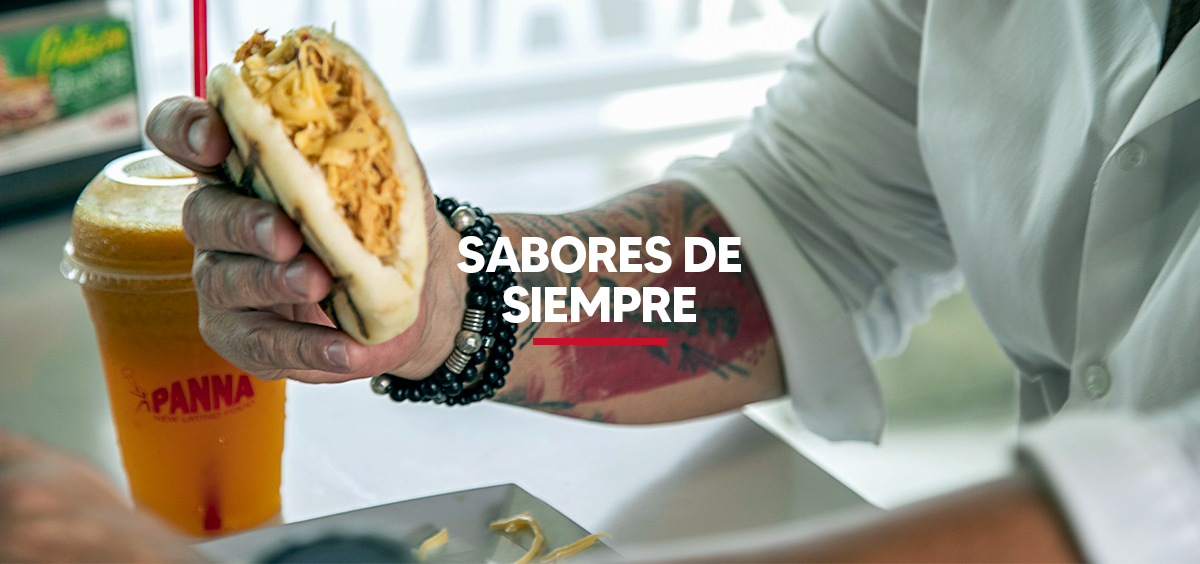
This March, the famous food guide Taste Atlas published a list of the 100 Best Sandwiches in the World, and it included two Venezuelan favorites. At #15, they placed the Arepa (ranking above the Argentine choripán), and at #26, the delicious Reina Pepiada.
Now, we all know that an arepa is an arepa—it’s not a sandwich! Our true sandwiches, like the traditional ham and cheese, the pernil (roast pork), the Club House, or the legendary Pepito, were missing from the list. Even though their origins aren’t strictly Venezuelan, we have adopted them as our own over the decades, making them a vital chapter of our gastronomy.
THE HISTORY OF THE SANDWICH
While the concept is global, the sandwich in Venezuela took on its own identity thanks to our cultural “melting pot” and local creativity. It all started in the 20th century when bakeries and small cafés began adapting quick meals to local tastes. But where does the name come from?
The Earl of Sandwich The title “Earl of Sandwich” was created in 1660 by King Charles II of England. Seventy years later, John Montagu became the 4th Earl of Sandwich. Legend has it that Montagu was an obsessive card player. To avoid leaving the table or getting the cards greasy, he asked his servants to put a piece of meat between two slices of bread.
His gambling companions loved the idea and started ordering “the same as Sandwich.” The rest is history. Fun fact: Lord Sandwich also funded the expeditions of Captain James Cook, who originally named the Hawaiian Islands the “Sandwich Islands” in his honor.
THE STORY OF THE “PEPITO”
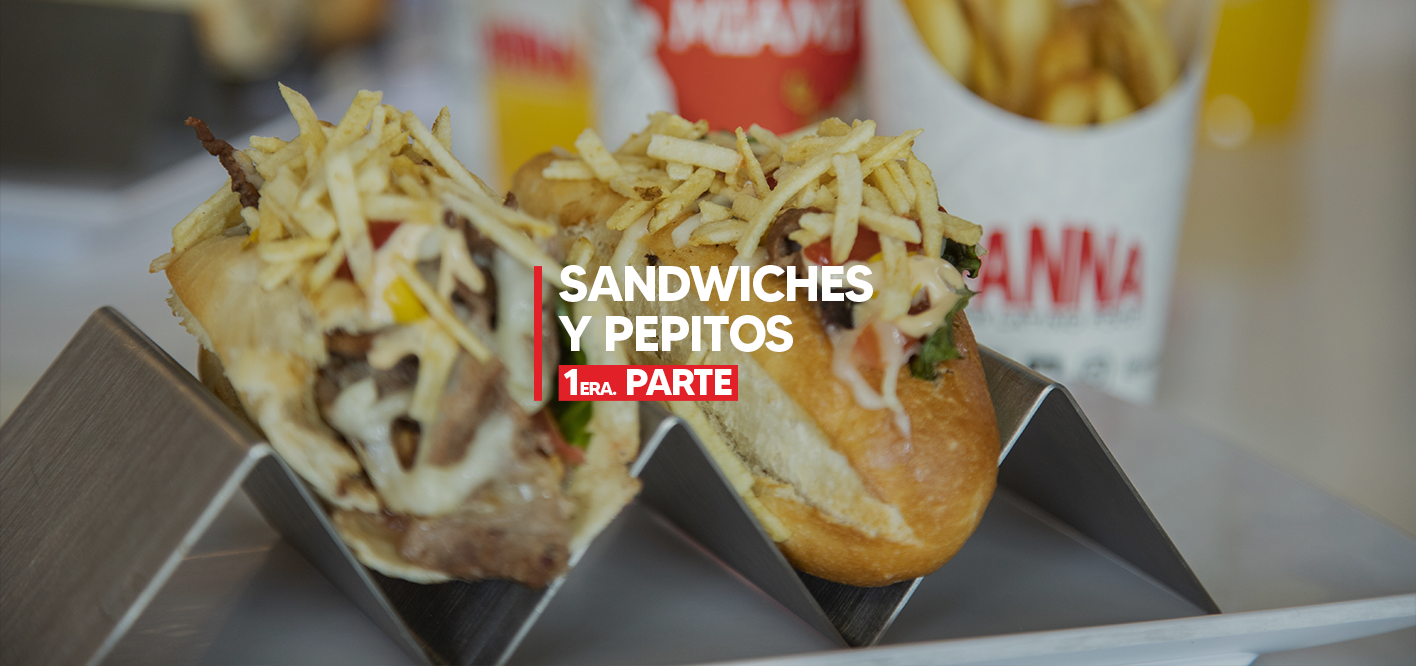
One of Venezuela’s most iconic sandwiches is the Pepito. Traditionally made with grilled beef, pork, or chicken on a baguette, it’s loaded with lettuce, tomato, and an array of sauces (garlic, pink sauce, tartar). But why is it called “Pepito”?
Pepito Fornos The Café de Fornos was a legendary establishment in Madrid, Spain. From 1870 through the mid-20th century, it was the meeting spot for artists, royalty, and even the spy Mata Hari. Among the regulars was a young boy named Pepito Fornos, the owner’s son.
Coming home from school, Pepito grew tired of cold ham or cheese snacks. He started asking the cook for something warm: a grilled steak inside a crusty piece of bread. Other customers saw the boy enjoying his meal and began asking for “one like Pepito’s.” To this day, the “Pepito de Ternera” remains a classic Spanish staple that eventually traveled to Venezuela with immigrants.
The Barquisimeto Legacy In Venezuela, the Pepito found its spiritual home in Barquisimeto during the 1980s. It became the king of the “Hunger Streets.” In fact, on January 13, 2013, 250 cooks in Barquisimeto prepared a massive Pepito that measured 120 meters long, earning a Guinness World Record for the largest Pepito in the world.
MORE TO COME
There is still so much to tell about these delights, from the classic ham and cheese to the sophisticated Club House and the juicy pernil sandwich.
In our next installment, we will continue exploring these stories. In the meantime, our best advice is to head over to PANNA and try the Pepitos we prepare. We promise they live up to the legacy of both the Earl of Sandwich and little Pepito Fornos!
We’ll see you at PANNA!