Venezuela is home to a culinary heritage as rich and diverse as its culture, and among its most beloved dishes, the Pabellón Criollo stands out. This dish is not just a feast for the palate; it is a representation of national identity, blending flavors that reflect the country’s history and traditions.
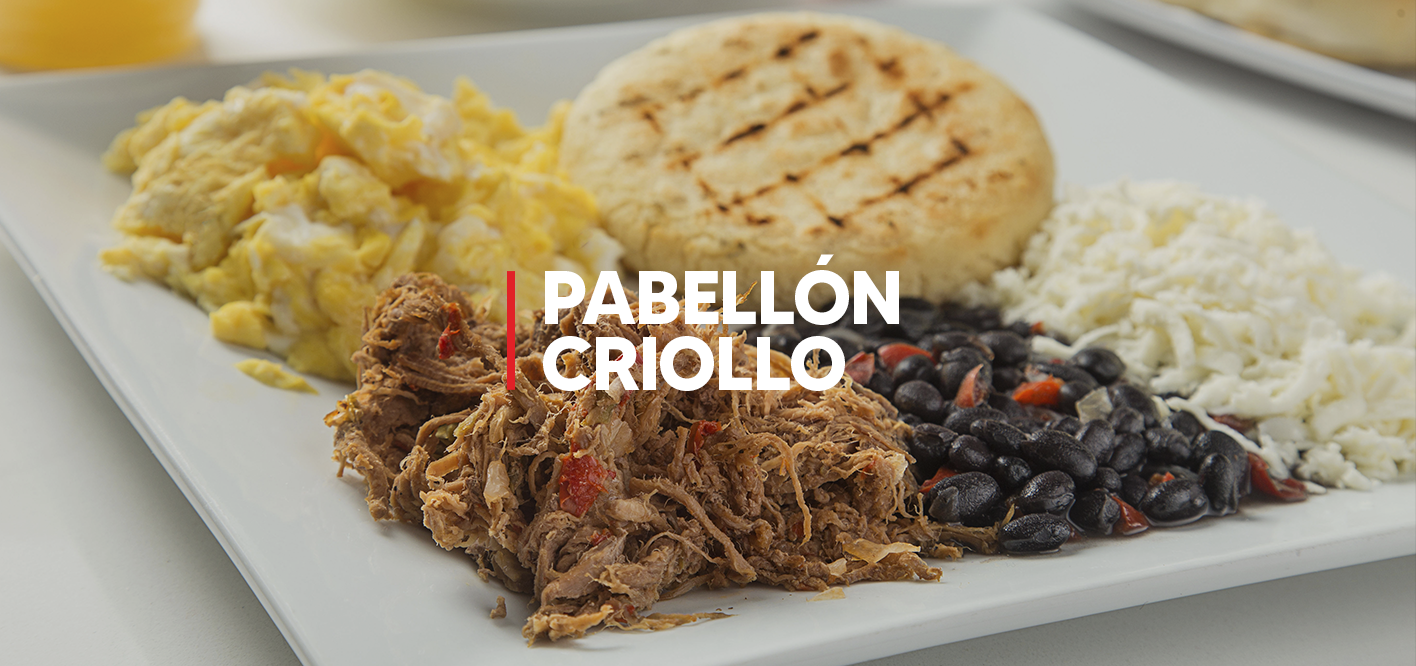
White rice, black beans (caraotas), shredded beef, and fried sweet plantain slices (tajadas) come together to create a balanced, colorful, and distinctive culinary experience.
THE ORIGINS OF PABELLÓN CRIOLLO
The Pabellón Criollo emerged as a symbol of Venezuela’s cultural identity during the 18th century. In the context of the colonial plantation system, enslaved workers combined the ingredients available to them, forming the base of the dish we know today. As Caracas grew into the nation’s political and commercial heart, it also became the epicenter for the evolution of this national staple.
CULTURAL INFLUENCES AND MESTIZAJE
The dish is a direct reflection of the mestizaje (racial and cultural blending) that defines Venezuela:
- Indigenous Heritage: Represented by the base of the diet and the use of local crops.
- Spanish Influence: Seen in the preparation of the shredded beef and the introduction of cattle.
- African Roots: Evident in the black beans and the fried sweet plantains.
THE SYMBOLISM OF THE PLATE
Many believe the Pabellón represents the tricolor flag of Venezuela:
- Rice: The white represents the purity and balance of the components.
- Black Beans: Their dark color represents our African heritage.
- Shredded Beef: The red denotes the passion and strength of the Venezuelan people.
- Plantains (Tajadas): Add the essential sweetness that completes the flavor profile.
POPULAR VARIATIONS
The Pabellón is highly versatile and adapts to different regions and times of the day:
- Pabellón Tradicional: The oldest version, consisting only of rice, beef, and beans.
- Pabellón Mañanero (Breakfast Style): Rice is replaced by scrambled eggs, cheese is added over the beans, and it is served with a hot arepa.
- Pabellón a Caballo: A classic Pabellón topped with a fried egg, adding a creamy texture to the beef.
- Pabellón con Baranda: “With a railing”—the fried plantains are placed around the edge of the plate, often accompanied by avocado.
- Pabellón Margariteño: Typical of Margarita Island, it swaps the beef for shredded baby shark (cazón), offering a fresh, coastal flavor.
- Pabellón Llanero: From the plains, often featuring Chigüire (capybara) meat and plenty of fresh cheese.
NUTRITIONAL POWERHOUSE
Pabellón is an energetic and complete meal. A standard serving provides:
- Proteins: Approx. 35g (mostly from the beef).
- Carbohydrates: Approx. 44g (from rice and plantains).
- Fiber: Approx. 7g (thanks to the black beans).
- Minerals: It is a notable source of potassium, essential for muscle and nerve function.
THE PANNA EXPERIENCE
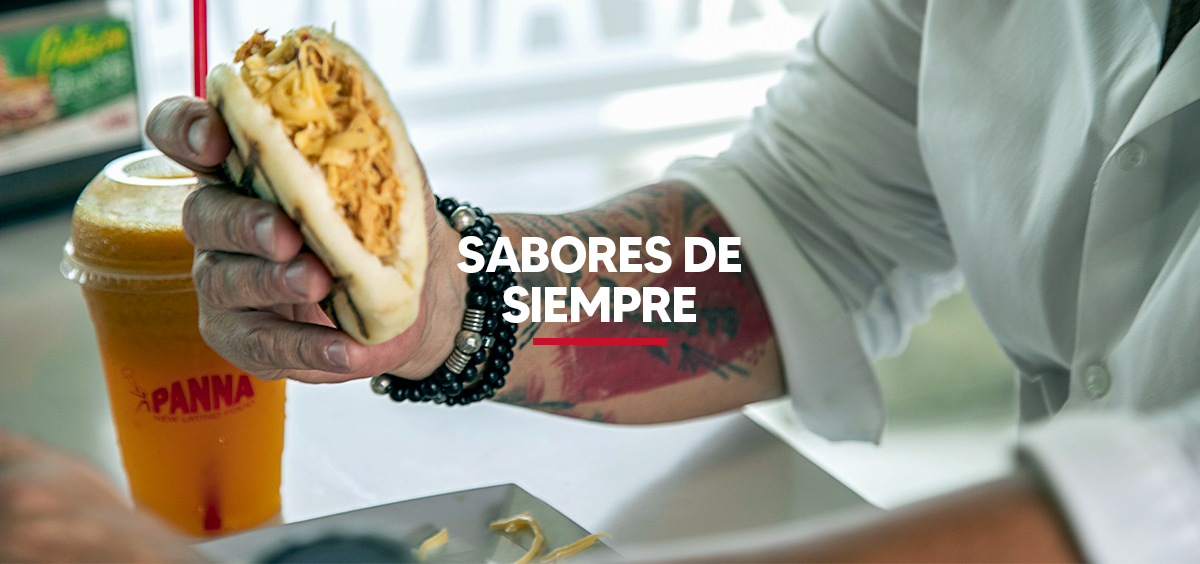
At PANNA, we understand that the Pabellón is more than just food; it is a reminder of home. Whether you enjoy it as a full meal or inside one of our famous Cachapas or Arepas, we bring the authentic sazón of Venezuela straight to your table in Miami.
Ready to enjoy a true Venezuelan treasure? Visit us at PANNA and experience the colors and flavors of our heritage!