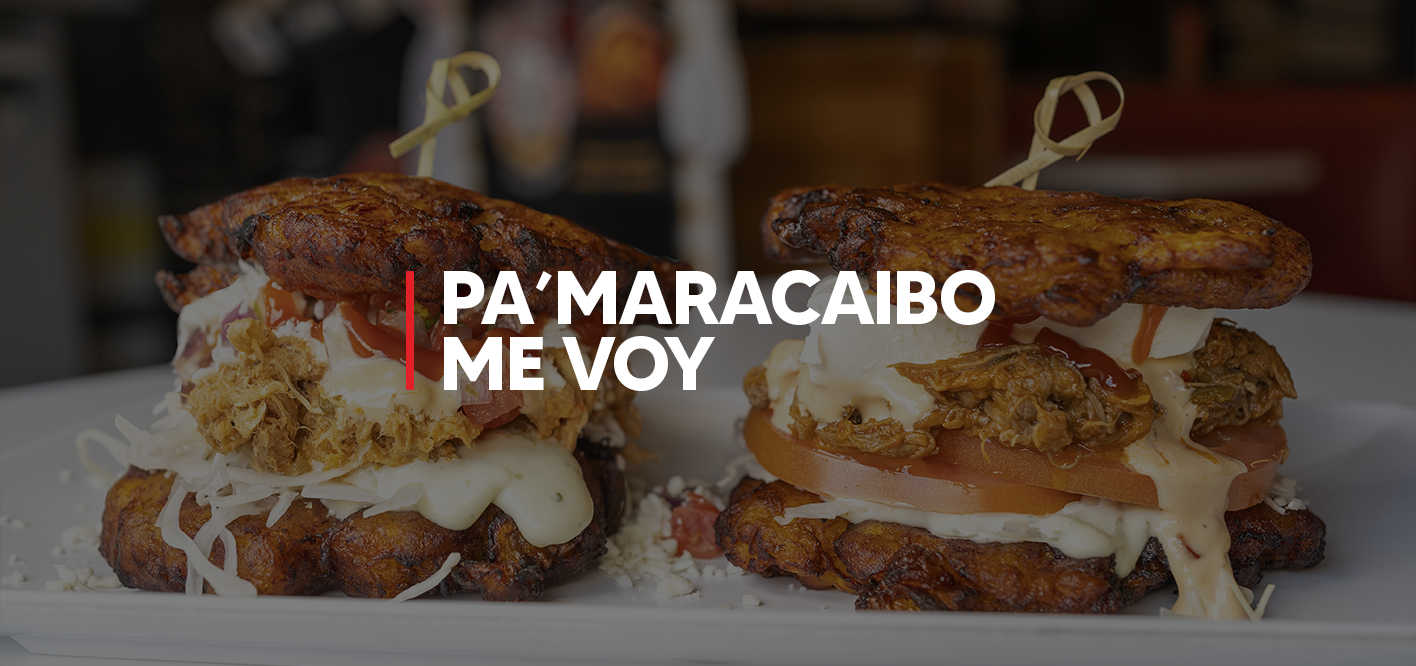
“Pa’ Maracaibo Me Voy” to Eat a Patacón: As we’ve explored before, Venezuelan food is a feast of flavors born from Indigenous, European, and African influences. Among our culinary gems, the Patacón Maracucho is a true standout. This iconic dish from Maracaibo is a masterpiece of cultural fusion and bold flavors that delight everyone who tries it.
Whether you are discovering it for the first time or seeking that taste of home in Miami, the patacón at PANNA is the perfect representation of this Zulia tradition.
THE STAR INGREDIENT: THE PLANTAIN
Without the plantain, there is no patacón. While it’s considered a Caribbean staple today, its journey began in Southeast Asia, traveling through Africa before landing in the New World.
In Venezuela, the plantain has been cultivated since colonial times, specifically in the South of Lake Maracaibo (Zulia State). The region’s rich soil and climate made it the national leader in production. Unlike its sweeter cousin, the banana, the plantain has a starchy texture and lower sugar content, making it perfect for cooking—whether as fried tajadas (ripe) or the crunchy, green tostones and patacones.
THE CURIOUS ORIGIN OF THE NAME
The word “patacón” has a fascinating history. In Arabic, “batakká” referred to a window-like architectural feature in mosques, and later to coins stamped with a similar shape. The Romans adapted it to “pataccá.” By the 17th century, the first coins in the Americas were called patacones. Because of the fried plantain’s round, rigid, and thin shape, the name was borrowed to describe this delicious “edible coin.”
WHAT IS A PATACÓN MARACUCHO?
While many countries call any fried plantain slice a “patacón,” the Maracucho version is a full, hearty meal. It consists of two large “lids” of fried green plantain, flattened and fried again until extra crispy.
These lids act as a sandwich base for an explosion of fillings:
- Cheeses: Both yellow and white fried cheese.
- Proteins: Shredded beef (carne mechada), roast pork (pernil), grilled chicken, or even chops.
- Freshness: Ham, tomato, lettuce, and shredded salad.
- The Finisher: Avocado and lots of sauces!
Some creative versions even use ripe plantains (maduro) for a sweet-and-salty experience, often so large they are meant to be shared!
WHY EAT PATACÓN? (BEYOND THE TASTE)
- Cultural Fusion: It’s a bite of history representing the mix of our roots.
- Versatility: It can be a side dish (just the plantain) or a massive main course. At PANNA, we even offer a “Bebé Patacón x 4” sampler for those who can’t pick just one filling!
- Nutritional Value: Green plantains are a natural source of complex carbohydrates and are rich in Potassium, Magnesium, Fiber, and Vitamins A, C, and B6.
DID YOU KNOW?
- More than Food: In 2001, during Argentina’s economic crisis, the government issued emergency bonds nicknamed “Patacones.”
- Don’t Call it a Sandwich: There is actually a petition on Change.org asking chefs worldwide to recognize the name PATACÓN MARACUCHO and stop calling it a “plantain sandwich.” It’s a matter of regional pride!
FROM MARACAIBO TO MIAMI
The Venezuelan diaspora has brought the patacón to global food capitals, and Miami is its home away from home. At PANNA, our patacones are a window into Zulia’s rich culture, staying true to the original street-food recipes of Maracaibo.
Ready for a culinary adventure? Visit us at PANNA New Food Latino and discover why every bite of our patacón takes you straight to the heart of Maracaibo.