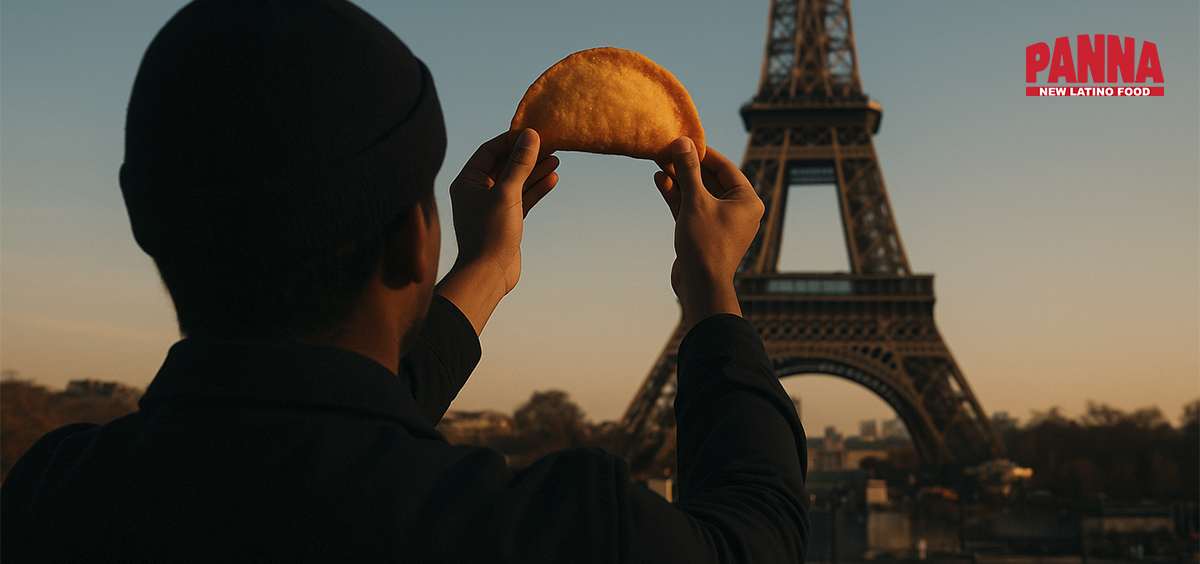
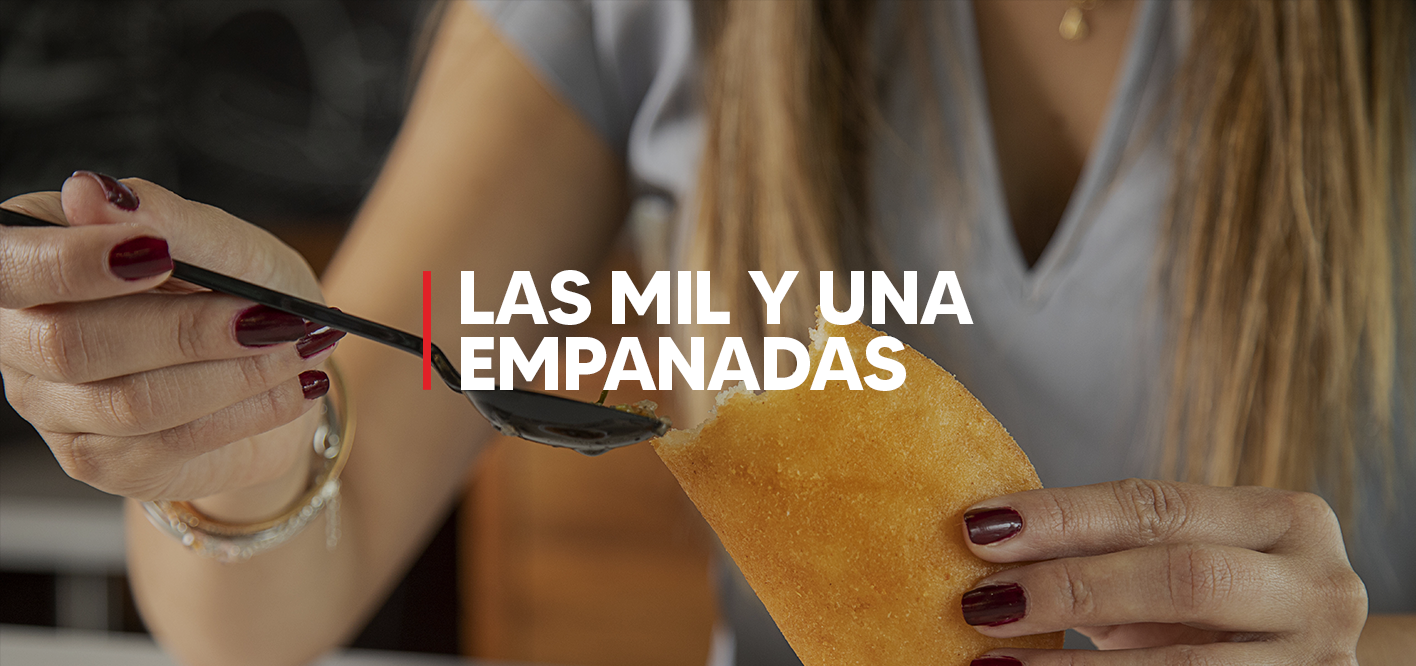
Yesterday we celebrated World Empanada Day, a holiday for a dish that has as many varieties as there are nationalities. This date gives us the perfect excuse to write about them, starting with one undeniable truth: Empanadas are delicious, no matter where they come from!
Whether they are Venezuelan, Colombian, Argentine, Japanese, Greek, or Galician, they are all worth a second helping. Let’s discover the history and the many versions of this culinary gem that feeds stomachs and hearts around the world.
A BRIEF HISTORY
The story of the empanada dates back to the Arabs, who brought the concept to Spain. From there, Spanish conquerors carried it to the Americas. Originally, it was a practical solution for shepherds and travelers: they wrapped meat or vegetables in bread dough to preserve the food during long journeys.
The word itself comes from the Spanish empanar, which means “to wrap something in dough or bread to bake it.”
TYPES OF EMPANADAS
While the concept is simple, making a great empanada requires time, experience, and love. It always consists of a thin dough filled with a preparation that varies by:
- The Dough: Wheat flour, cornmeal, puff pastry, etc.
- The Filling: Vegetables, cheese, beef, chicken, fish, and more.
- Cooking Method: Baked, fried, steamed, or grilled.
EMPANADAS AROUND THE WORLD
Many regions have adopted the empanada, adjusting it to local tastes and ingredients:
- Spain: The Galician Empanada is a star of northern Spain—large, round or rectangular, usually filled with tuna. In Madrid, the smaller Empanadillas (tuna and tomato) are the favorites.
- Italy: Known as Panzerotti in the south (Puglia), made with wheat dough and filled with tomato and mozzarella. Italy also gives us the Calzone, which some call a “maxi empanada.”
- Poland: They are called Pierogi. Semicircular and often filled with cheese, mashed potatoes, sauerkraut, or meat. They can even be sweet with fruit fillings.
- Asia: Japan gives us the Gyoza (inspired by the Chinese Jiaozi). These are bite-sized, usually steamed or pan-fried, and served with soy or sesame dipping sauces.
- Mexico: Every October 4th, Colima celebrates “Empanada Day.” Variations range from spicy shrimp fillings in Nayarit to sweet versions in Sinaloa filled with guava or cajeta (dulce de leche).
- Bolivia: The famous Salteñas are known for their slightly sweet dough and incredibly juicy meat or chicken fillings.
THE BIG THREE: ARGENTINA, VENEZUELA, AND COLOMBIA
The Argentine Empanada Sophisticated and varied, you can often tell the filling by the pattern of the fold on the edge (called repulgue).
- Tucumana: Beef, chicken, or hen with onion, egg, and plenty of cumin.
- Patagonian: Filled with seafood like mussels, seasoned with white wine and capers.
- Tradition: Every year, Argentina hosts national festivals dedicated entirely to this dish.
The Venezuelan Empanada Established in our daily lives by the late 1800s, these are strictly made with cornmeal and deep-fried in hot oil until crunchy.
- Favorites: White cheese, shredded beef, or cazón (baby shark).
- The “Operada”: A fried empanada sliced open and “operated” on to add extra fillings, like the Pelúa (shredded beef topped with a mountain of yellow cheese).
The Colombian Empanada A cultural symbol with its own monuments in cities like Caicedonia.
- The Mix: Usually made with cornmeal and fried. The most popular is ground beef mixed with potatoes.
- Regional Twists: In Nariño, they make Empanadas de Añejo with fermented corn dough, served with a spicy lime and chili sauce (ají).
THE STAR OF THE SHOW AT PANNA
At PANNA, we see the empanada as a fusion of flavor and tradition. It is a universal denominator of global gastronomy, and we’ve understood that since our very beginning.
That’s why we offer a wide variety of empanadas with different fillings and from different traditions. We want you to experience the full splendor of this global icon.
Do you know which one is your favorite yet? Come try them all and let us know which one wins your heart!