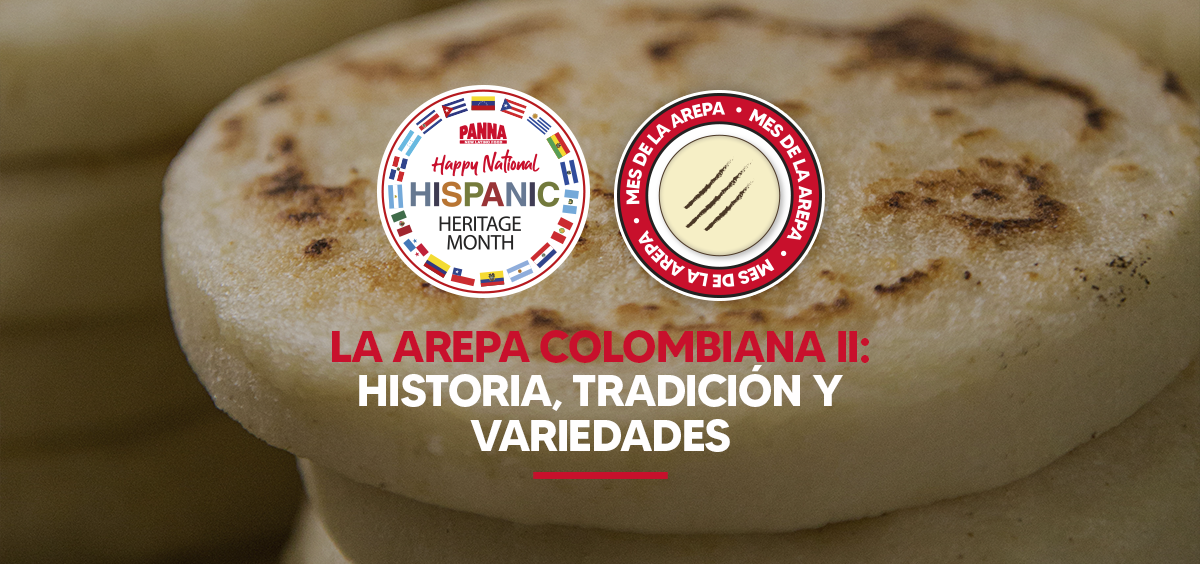
Colombian Arepa Part II: In the first part of our journey through the Colombian arepa, we explored the most popular versions like the paisa, choclo, boyacense, and the famous arepa de huevo. But the richness of Colombian gastronomy doesn’t stop there.
In this second part, we’ll dive into lesser-known regional varieties, their role in Colombian culture, and how this versatile dish unites people through flavor across the globe.
LESSER-KNOWN COLOMBIAN AREPAS
1. Arepa de Maíz Pelao A true gem of the Caribbean Coast. It is made using an ancestral technique where the corn is peeled by cooking it with ash, resulting in a distinctive flavor and a much smoother texture. It’s traditionally served with suero costeño (a popular coastal sour cream).
2. Arepa Santandereana Hailing from the Santander region, this arepa is made from yellow corn mixed with yuca (cassava) and chicharrón (pork rind). It is thicker, crunchier, and reflects the deep country roots of the Northeast. It’s a hearty option, perfect for breakfast or a midday snack.
3. Arepa Valluna Typical of the Valle del Cauca, this arepa is thin and usually serves as a side dish. Its unique feature is that it’s often grilled directly over an open flame, giving it a smoky flavor and a slightly crispy texture. It’s the perfect companion for a sancocho de gallina.
4. Arepa de Pipián Originating from Popayán, this version is famous for its filling: pipián, a mixture of local potatoes and ground peanuts seasoned with achiote and cumin. It is a perfect example of how regional traditions create unique, flavor-packed dishes.
THE AREPA IN COLOMBIAN CULTURE
In Colombia, the arepa is much more than food; it is an essential part of daily life. Much like bread in other cultures, the arepa is a constant companion—present from breakfast to dinner.
- A Cultural Symbol: Its importance is reflected in music and folklore, with songs and verses dedicated to its virtues, especially during festivals on the Atlantic Coast.
- A Global Ambassador: Thanks to the Colombian diaspora, the arepa has crossed borders. From food trucks to specialized restaurants, it has found a place on international tables, adapting to local tastes while keeping its traditional essence.
THE “BREAD” OF COLOMBIA
The Colombian arepa is a reflection of the country’s diversity. From the simplest to the most elaborate, this staple has adapted to every region, remaining a fundamental pillar of the diet. Its ability to evolve and merge with other cuisines ensures that it remains relevant and beloved worldwide.
So, the next time you enjoy an arepa, remember you are tasting the history, culture, and tradition of two sister nations.
WANT TO ENJOY THE BEST AREPAS IN MIAMI?
Come to PANNA New Food Latino and let us surprise you with our delicious options. We are waiting to share the best of Venezuelan and Latin American gastronomy with you!