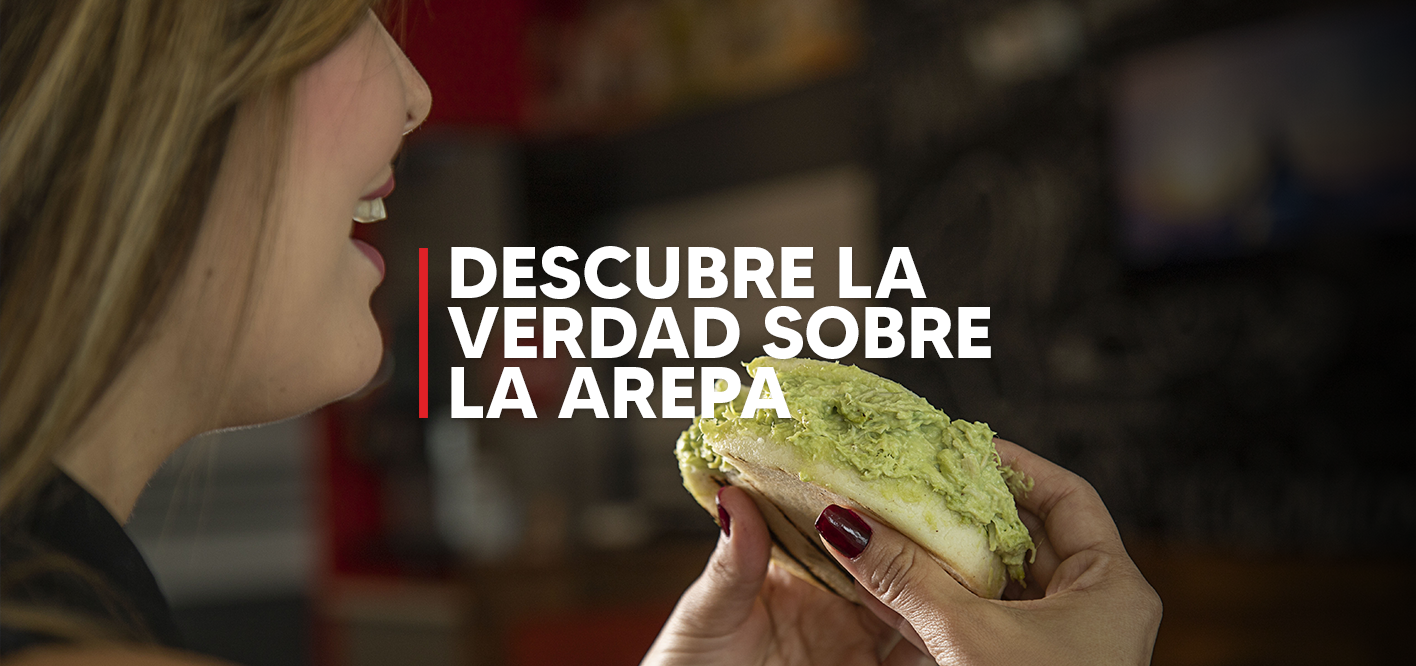
There is nothing that brings Venezuelans and Colombians together and sparks more debate than the eternal controversy over the origin of the arepa. If the topic comes up in a meeting, get ready for a heated discussion! Fortunately, this culinary rivalry usually ends in laughter and, of course, a shared meal.
THE MYSTERIOUS ORIGIN
In both countries, the term “arepa” refers to a round corn cake that is a staple in almost every home. But who “owns” the invention?
- The Linguistic Clue: Historian Miguel Felipe Dorta notes that the Cumanagoto people (Indigenous to eastern Venezuela) called their corn bread “erepa.” * The Anthropological View: Expert Ocarina Castillo explains that while the word was first documented by Spaniards in what is now Venezuela, it doesn’t pinpoint a single birthplace.
- A Shared Legacy: Research by BBC News concluded that corn has been part of the regional diet for over 3,000 years—long before modern borders existed. Archaeologists have found grinding stones and budares (clay griddles) throughout the northern Andes.
The verdict? The arepa has an Indigenous origin and belongs to both nations. The real difference today lies in how we eat it.
THE VENEZUELAN AREPA: THE STUFFED MASTERPIECE
In Venezuela, the arepa evolved from a side dish into the main event. The innovation of stuffing them began in the Andes and spread nationwide.
- The Prep: They can be made with white or yellow cornmeal, then grilled (asada), fried (traditionally with a hole in the middle), or baked.
- The Iconic Fillings:
- Reina Pepiada: Shredded chicken, mayo, and avocado.
- Pelúa: Shredded beef and grated cheese.
- Dominó: Black beans and white cheese.
- Pabellón: Beef, beans, fried plantains, and cheese.
- Viuda: “Widow” (plain, usually served as a side).
THE COLOMBIAN AREPA: TRADITION AND SIMPLICITY
In Colombia, the arepa is celebrated for its simplicity and is often used as a companion to other foods.
- The Focus: The flavor of the corn is the protagonist. It’s typically served with butter and cheese on top.
- The Variety: Anthropologist Julián Estrada has identified 42 regional types.
- Antioquia: Simple, thin corn arepas served with butter.
- Boyacá: A mix of wheat and yellow corn, often served with curds.
- Coastal: Made with cheese and sometimes filled with an egg (Arepa e’ Huevo).
In Colombia, the Venezuelan-style arepa is often called “Arepa con todo” (Arepa with everything) because of its hearty fillings.
UNITING CULTURAS IN MIAMI
Whether it’s grilled, baked, or fried; filled or plain; yellow or white—the arepa is an unbreakable bond to our roots. For those of us living in Miami, enjoying an arepa is a way to relive our culture and share our heritage with the world.
Beyond the borders and the debates, the arepa is a culinary bridge. And honestly, when you’re hungry and there’s a fresh arepa on the table, there’s no time for arguing!
Ready to try the best of both worlds? Visit us at PANNA New Food Latino. We honor the tradition of the corn, the heat of the griddle, and the flavors that unite us.
Which one is your favorite? Come find out!