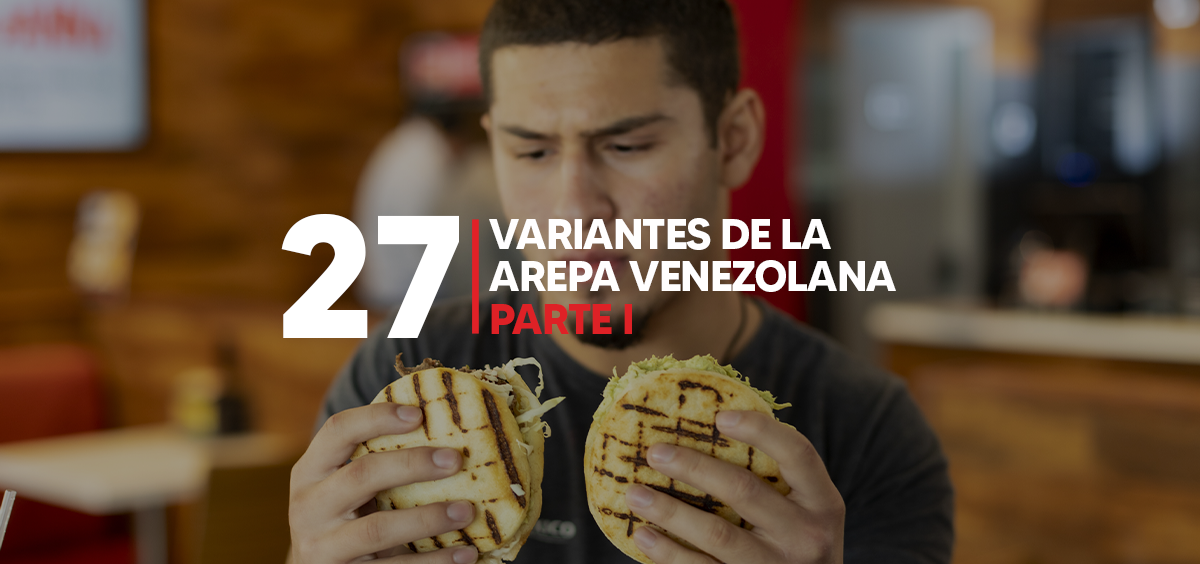
Variations of the Venezuelan Arepa: Between 2004 and 2010, research teams traveled over 350,000 square miles of Venezuela to document its invaluable cultural heritage. The result was the Catalogue of Venezuelan Cultural Heritage, a massive collection that includes our national recipes.
One of the most fascinating findings was the sheer number of arepas that exist across the country. From the famous Reina Pepiada to the ancestral Arepa de Chiga, this culinary mosaic reflects the regional diversity and creativity of the Venezuelan people.
15 ICONIC AREPA VARIATIONS
1. Pre-cooked Corn Arepa (Industrial) Consumed nationwide. The most common version today. Made with pre-cooked corn flour, it’s fast and versatile. The flour is mixed with water and salt, shaped into discs, and grilled on a budare or fried.
2. Arepa de Chicharrón (Pork Rind Arepa) Consumed nationwide. Crunchy pork rinds are mixed directly into the dough, giving it a consistent texture and a powerful, savory flavor. Usually deep-fried until golden.
3. Arepa de Ajonjolí (Sesame Arepa) Central Region. Known for its sweet profile. It includes sesame seeds and is sweetened with papelón (raw cane sugar). It offers a completely different experience from the traditional salty arepa.
4. Traditional Fillings Central Region. Icons like the Reina Pepiada (chicken, avocado, mayo), Pelúa (shredded beef and yellow cheese), and Dominó (black beans and white cheese) fall into this category of legendary combinations.
5. Arepitas Dulces (Sweet Deep-Fried Arepas) Consumed nationwide. Made with corn dough flavored with anise seeds, molasses (papelón), and sometimes cinnamon. These are pressed very thin so they puff up like a balloon when deep-fried.
6. Maíz Pilado vs. Maíz Pelado Traditional / Rural areas.
- Pilado: Corn is pounded in a wooden mortar to remove the husk manually.
- Pelado: The corn is processed with lime or ash (lye), resulting in a flavor similar to Mexican tortillas. Both are artisanal treasures that pre-date industrial flour.
7. Arepa Tibia de Maíz Pelado Sucre and Yaracuy. Made with “sarataco” corn (slightly past its tender stage). It is highly nutritious because the whole grain is used, including the husk.
8. Arepa Jojota (Fresh Corn Arepa) Falcón State. Made with fresh corn cut straight from the cob. Traditionally ground on stones and cooked over an open fire, it has a naturally sweet and milky flavor.
9. Arepa Raspada Eastern Venezuela. A unique version where dried corn is mixed with wood ash from the stove before being pounded. It has a distinct “smoky charcoal” flavor.
10. Arepa Campeche Monagas State. Similar to the pelada version, but the corn is cooked with its husk. It’s grilled on a budare and finished over hot coals for a rustic finish.
11. Domplina Northeastern Coast. Reflects the Caribbean influence (Antilles). While similar to a bread, these wheat-flour preparations often incorporate coconut milk and can be baked or fried.
12. Arepa de Mañoco (Starch Arepa) Amazon Region. Made from cassava starch (mañoco). The starch is hydrated until it forms a dough, then fried. It stays fresh for several days and has a unique, dense texture.
13. Arepa de Yuca (Cassava Arepa) Eastern Venezuela. An indigenous legacy. Boiled yuca is mashed into a fine paste and mixed with a bit of cornmeal. It’s a symbol of cultural identity in many communities.
14. Arepa de Chiga Apure State. A rare indigenous delicacy made from the fruit of the Chiga tree. The seeds undergo a meticulous process to remove bitterness before being turned into a dough and fried.
15. Arepa Andina (Wheat Arepa) Andean Region. A cultural staple of the mountains. Made with wheat flour instead of corn, it includes eggs, butter, and sometimes milk or aguamiel. It’s large, thin, and pricked with a fork before grilling.
WANT TO DISCOVER MORE?
You’ve just explored the first 15 variations. From the sweet anise of the coast to the wheat of the Andes, the arepa is a world of its own.
Ready for Part II? Stay tuned as we dive into the remaining 12 variations that will completely change how you see our national dish!
In the meantime, visit us at PANNA New Food Latino to enjoy the authentic taste of Venezuela!