A journey through Venezuelan gastronomy: Venezuelan food is a reflection of the cultural blending (mestizaje) that characterizes the country. It offers locals and visitors alike a wide range of flavors and aromas that intertwine Indigenous heritage, African influence, and the Spanish legacy.
From our hearty stuffed arepas for breakfast to the traditional weekend sancocho (stew), every dish tells a story of exchange, adaptation, and culinary creativity. Over the years, Venezuelan cuisine has evolved by integrating ingredients and techniques from other latitudes, enriching its flavor palette. This dynamism is reflected in regional adaptations that give life to unique recipes.
Likewise, the commitment to preserving culinary traditions remains firm, keeping old recipes alive for future generations. After all, we continue to teach our children, step-by-step, exactly how to prepare our family’s hallaca.
THE ROOTS OF VENEZUELAN GASTRONOMY
Venezuelan gastronomy is a rich tapestry of ingredients and techniques shaped over centuries.
- Indigenous Foundation: Established the basics of the local kitchen with native ingredients like corn (the base for arepas), cassava (transformed into casabe bread), and plantains (essential in countless forms, especially the beloved tajada).
- Spanish Influence: Brought a profound change with ingredients like wheat, wine, and olive oil.
- African Influence: Inherited from the history of colonization, contributing unique techniques and flavors seen in dishes like our delicious Pabellón Criollo.
HISTORY AND THE CONFLUENCE OF CULTURES
Throughout history, Venezuela has been a melting pot. Natural riches like cacao, gold, and later oil, attracted Europeans from many regions, especially Spain, Portugal, and Italy. These immigrants introduced coffee and sugarcane, expanding the culinary repertoire and contributing to the diversity that defines Venezuelan gastronomy today.
INDIGENOUS INGREDIENTS AND PRODUCTS
The heart of our identity lies in its ingredients:
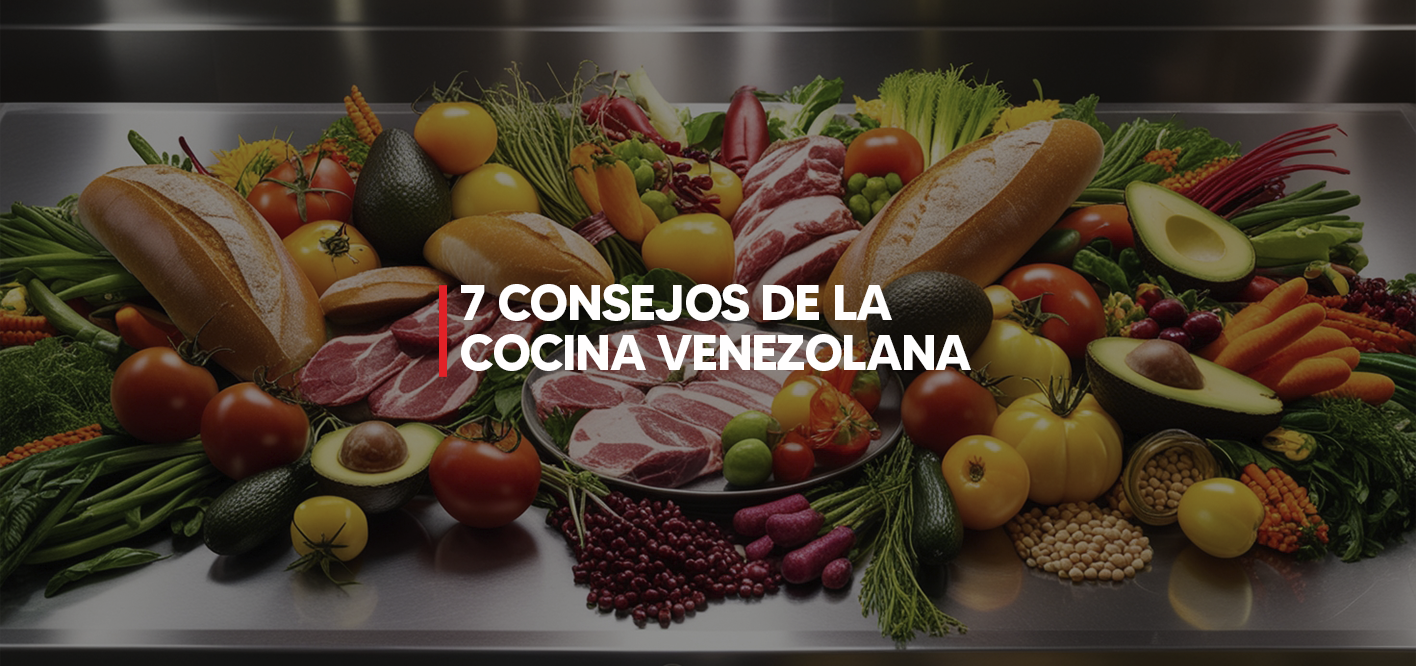
- Grains and Tubers: Corn and rice are the pillars. Corn appears as arepas, cachapas, and hallacas, while rice is the eternal side dish of our lunches. Tubers like cassava (yuca), yam (ñame), and taro (ocumo) are essential in soups, providing texture and substance.
- Protein Sources: Beef, pork, and chicken are staples. Seafood is prominent in the interior and coastal regions. You can also find less conventional meats like goat or venison in rural areas, offering intense and traditional flavors.
- Vegetables and Fruits: The ají dulce (sweet pepper) and cilantro duo is irreplaceable for infusing flavor. Fruits like mango, guava, and papaya provide natural sweetness and essential vitamins.
TRADITIONAL VENEZUELAN DISHES
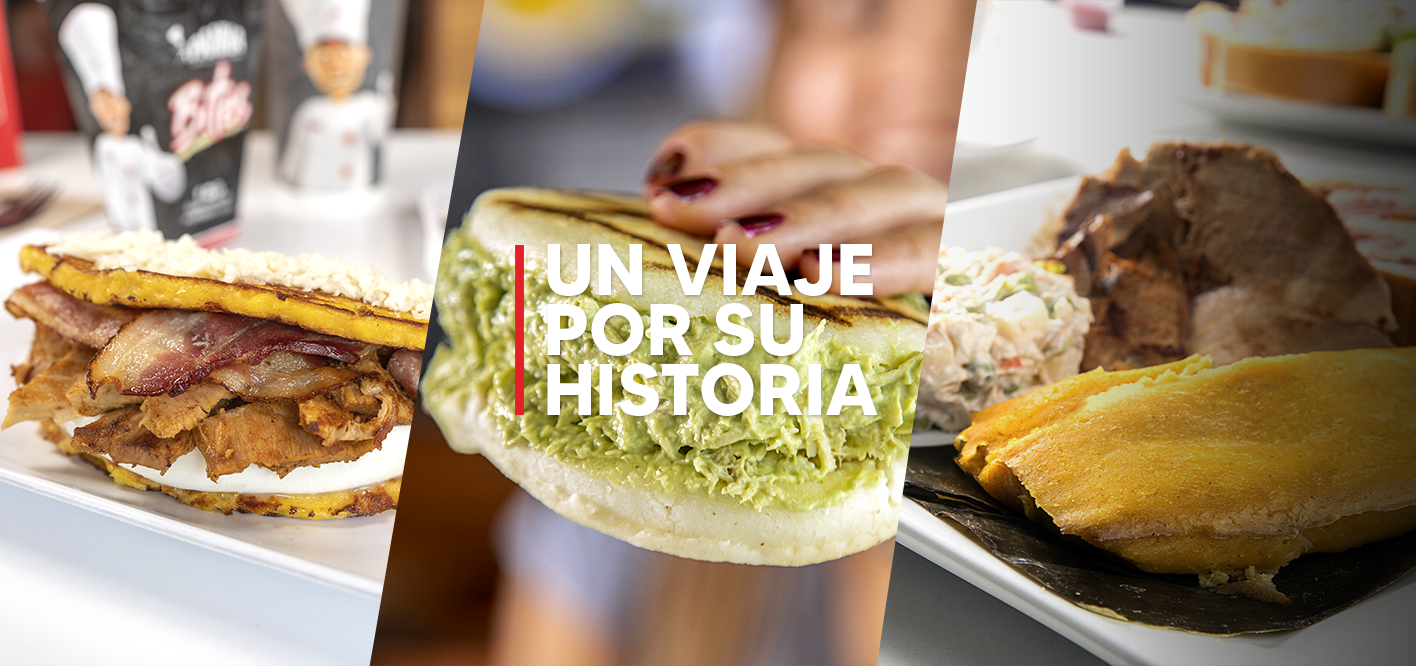
- Pabellón Criollo: The national dish. A harmony of shredded beef, black beans (caraotas), white rice, and fried plantains.
- Arepa: Our daily bread. Depending on the filling, it takes a unique name like Pelúa (beef and cheese), Catira (chicken and cheese), or the famous Reina Pepiada (chicken and avocado).
- Hallaca: The soul of Christmas. Corn dough stuffed with a rich stew, wrapped in plantain leaves.
- Cachapa: A sweet corn pancake served with queso de mano (fresh white cheese).
REGIONAL OVERVIEW
- Andes & Plains: Mountain trout and potatoes in the Andes; “carne en vara” (barbecued beef) in the Plains.
- Zulia & West: Famous for its varied cheeses, the patacón, and fish cooked in coconut milk (mojito en coco).
- Caribbean & East: Rich in seafood, cazón (baby shark) empanadas, and regional fish stews.
- Amazon & Guiana: Exotic river fish and Indigenous roots from the jungle.
INTERNATIONAL INFLUENCE AND PRESERVATION
Spanish influence is seen in the use of spices like saffron, laurel, and oregano. Later waves of Italian, Portuguese, and Arab migration added new elements and techniques. Preservation of these traditions is key to our identity, often centered around festivities and social structures.
THE EVOLUTION OF THE KITCHEN
During major holidays, gastronomy takes center stage. The hallaca is a perfect example of a recipe that personifies the cultural mix of a people, turning its preparation into a family social event.
Figures like historian José Rafael Lovera have been fundamental in understanding this conformation. Today, contemporary chefs like Sumito Estévez combine tradition with modern trends, strengthening our gastronomic identity by using local products like Venezuelan rum.
NEW CULINARY TRENDS
In modern cooking, fusion is the dominant word. Innovative chefs look to incorporate traditional ingredients into creative formats, balancing respect for the past with enthusiasm for innovation.