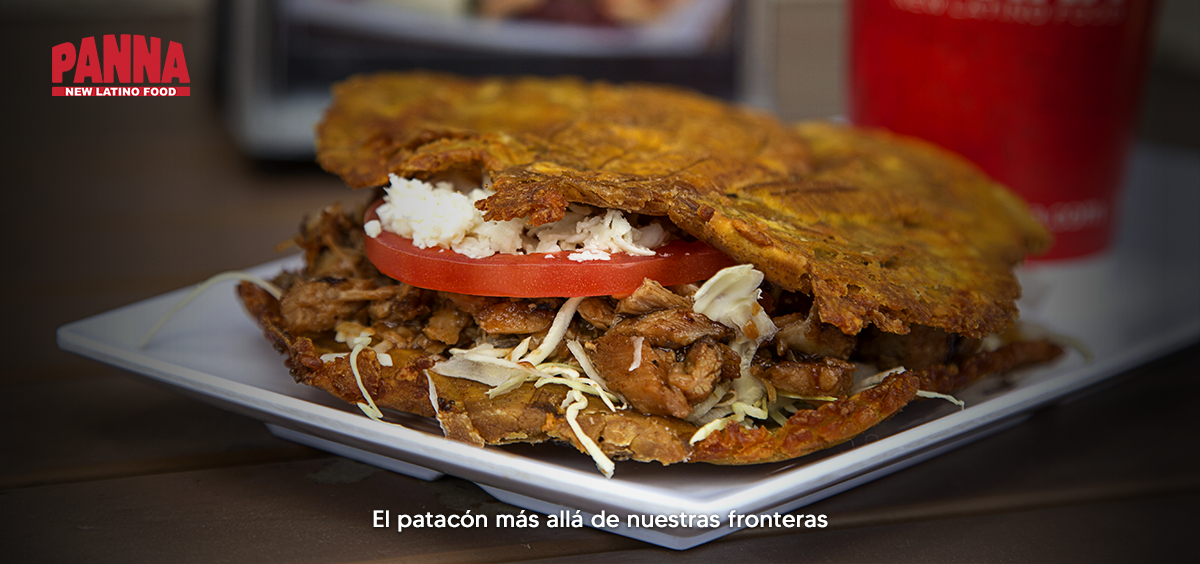
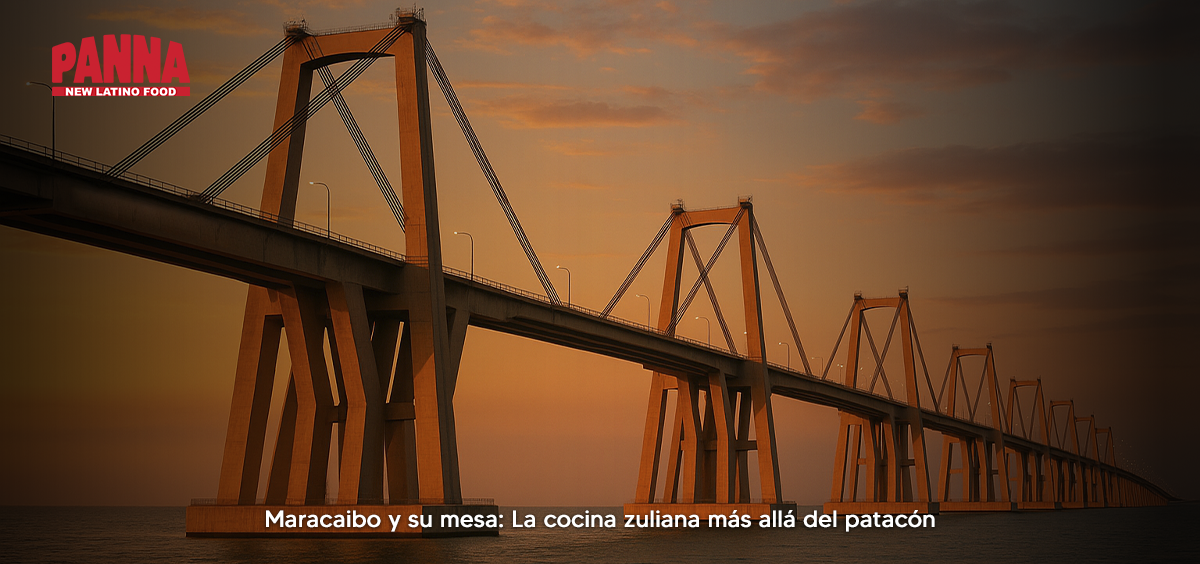
In Maracaibo, food isn’t just eaten: it’s celebrated. Although the patacón and the mandoca are national emblems, there is a culinary world far beyond the classics. It is a universe of recipes as intense as the Maracaibo sun, preserved through family memories, grandmothers’ active stoves, and the love that Zulianos pour into every dish.
Today, at PANNA, we take pleasure in exploring that maracucha table that goes beyond criollo fast food, rescuing those beloved flavors that form part of the gastronomic soul of Western Venezuela.
A CUISINE WITH ITS OWN IDENTITY
Zulian cuisine is one of the most powerful and distinctive in the country. This is not only due to its intense seasoning but also its use of local ingredients like plantains, papelón (raw cane sugar), coconut sugar, ají dulce (sweet pepper), river or lake fish, and a variety of tropical fruits.
Unlike other regions of Venezuela, flavors here are bold; sweet and savory combine fearlessly, and the love for fried foods is worn with pride. It is a cuisine with character, where the heat doesn’t scare anyone away from a good soup, and where desserts don’t ask for permission to be decadently sweet.
MOJITO EN COCO: THE STEW THAT EMBRACES MARACAIBO
One of the most beloved dishes in Zulia—and one of the least known outside of it—is mojito en coco. It’s not a cocktail, but a thick fish stew made with coconut milk, green plantains, yuca, ají dulce, and onion.
The name might be misleading, but one spoonful is enough to understand that it is a comforting dish, born to awaken anyone from lethargy. It is served hot, thick, and aromatic, and in many homes, it is considered a revitalizing, almost medicinal recipe. Its preparation requires time and patience, but the result is a sensory experience that blends sea, land, and sweetness.
CEPILLAO WITH CONDENSED MILK: THE ICE CREAM OF CHILDHOOD
Before commercial ice creams dominated the kiosks, maracucho children grew up with the cepillao: shaved or crushed ice with homemade syrup, usually made from papelón, tamarind, or strawberry.
But in Zulia, of course, it doesn’t stop there… someone had the genius idea of adding a drizzle of condensed milk, and history was changed forever. The condensed milk merges with the syrup, creating a creamy texture and a flavor that wins over even the most skeptical. Today, this classic is still sold from carts in plazas, schools, and popular corners, though it is increasingly difficult to find a cepillao like the ones from the old days. Perhaps that is why every time someone tastes it again, memory takes them straight back to childhood.

RICE PUDDING WITH PAPELÓN: SWEETNESS WITH HERITAGE
Many regions of Venezuela have rice pudding (arroz con leche). But the version from Zulia has a special seal: it is prepared with papelón and, occasionally, with cloves, star anise, or even a pinch of shredded coconut.
It is a simple dessert but with a strong personality—dark from the papelón, dense, and fragrant. The result is a delight that speaks of home cooking, long after-dinner talks, and love concentrated in a small aluminum pot. It’s not just food: it’s a legacy.
MARACAIBO RECIPES THAT PERSIST, THOUGH LESS VISIBLE
Many of these flavors are at risk of disappearing. With migration, generational shifts, and the invasion of global fast foods, the traditional marabino cookbook has often taken a back seat. But in some homes, especially outside the country, these recipes have become a form of emotional resistance.
Cooking a mojito en coco in a kitchen in Madrid, serving an improvised cepillao in Santiago, or preparing rice pudding with papelón in an apartment in Miami is not just cooking: it is recovering a little piece of home.
COOKS FIGHTING FOR THEIR FLAVOR
Voices like Mercedes Oropeza, a chef and promoter of Venezuelan cuisine, have mentioned in interviews how Zulia’s culinary repertoire is an inexhaustible source of identity. Meanwhile, cooks like Luis Viloria, from the Fogón Zuliano project, have compiled recipes and historical data on these dishes, promoting workshops and gatherings so they aren’t lost.
Publications like Bienmesabe magazine and academic works from the Center for Gastronomic Studies at UCAB have also addressed Zulian cuisine as one of the most complex in the country, thanks to its indigenous, African, and European heritage.
HOW DO WE RESCUE THESE FLAVORS?
By cooking them, talking about them, and teaching them. You don’t need to be a chef to boil coconut and prepare a mojito, or to serve a glass of shaved ice with homemade syrup. All it takes is curiosity, memory, and a desire to keep alive what makes us unique. Perhaps not all of us can go to Maracaibo, but everyone can have a little piece of Zulia at their table.
THE FLAVOR OF MARACAIBO (OR RATHER, ZULIA) IS ALSO LIVED AT PANNA
At PANNA, we celebrate the diversity of Venezuelan gastronomy. We know that behind every recipe, there is a story, a grandmother, a memory, and a tradition. That is why we continue to expand our menu so that the flavors of our land stay alive, no matter where in the world we are.
Stop by and discover how a dish has the power to make you travel through time, to embrace you, and to remind you that no matter how far away we are: flavor always finds us.