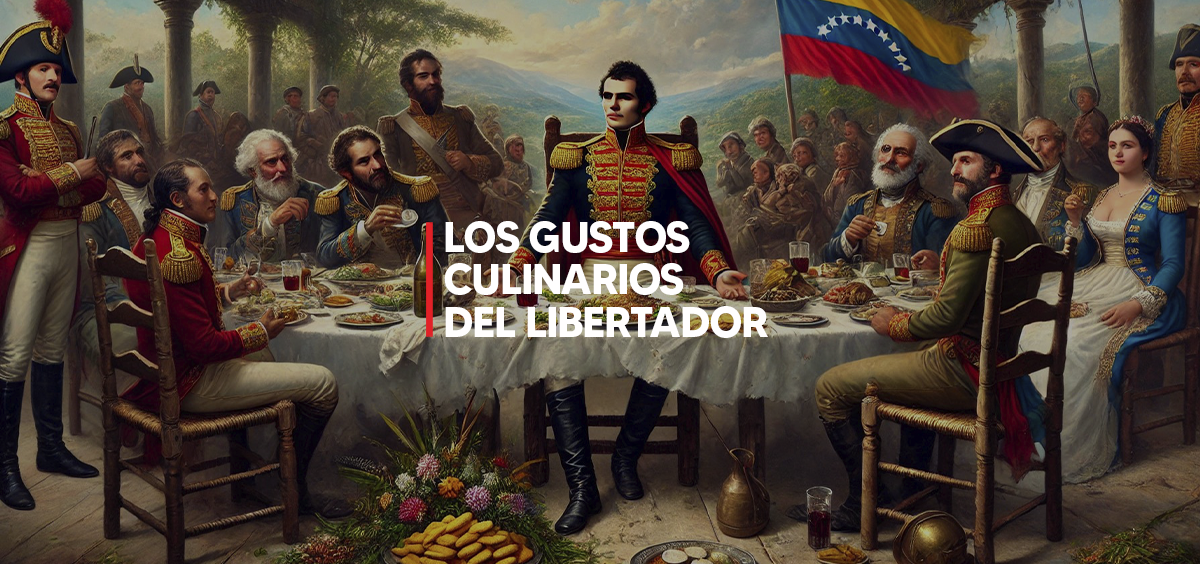
The Liberator’s Culinary Tastes: Last week marked the 271st anniversary of the birth of Simón Bolívar, a perfect occasion to explore 18th-century Venezuelan cuisine through his personal tastes. Known as “The Liberator,” Bolívar was not only an iconic military and political figure but also a man of a sophisticated palate. Even in the heat of the fight for Latin American independence, he took the time to enjoy culinary pleasures, proving his ability to appreciate life’s finer details even in times of conflict.
THE LIBERATOR’S GOURMET SIDE
Bolívar was a true food lover. Guillermo Miller, an Englishman who fought in Peru, noted that Bolívar was famous for his banquets, stating, “There is no one who has more skillful cooks than he, nor gives better meals.”
This high quality was thanks to renowned French chefs like Luis Lemoyiven and Francisco Fremont. These banquets were more than just sensory delights; they were strategic events to strengthen alliances and discuss crucial independentist matters. Bolívar understood gastronomic diplomacy: a long table surrounded by officers and diplomats was the perfect place to build trust, negotiate, and win loyalty over an unforgettable meal.
The Liberator’s Culinary Tastes: A TASTE FOR THE SIMPLE AND SPICY
Despite his love for elaborate banquets, Bolívar enjoyed life’s simple pleasures—especially spices.
A memorable anecdote from a dinner in Potosí tells how Bolívar noticed the ladies weren’t eating because the food was bland. Upon learning it lacked ají (chili pepper), he ordered it to be added to every dish. This gesture showed his appreciation for local flavors and his desire for everyone to enjoy their meal as much as he did.
The Liberator’s Culinary Tastes: DAILY PREFERENCES: THE AREPA OVER BREAD
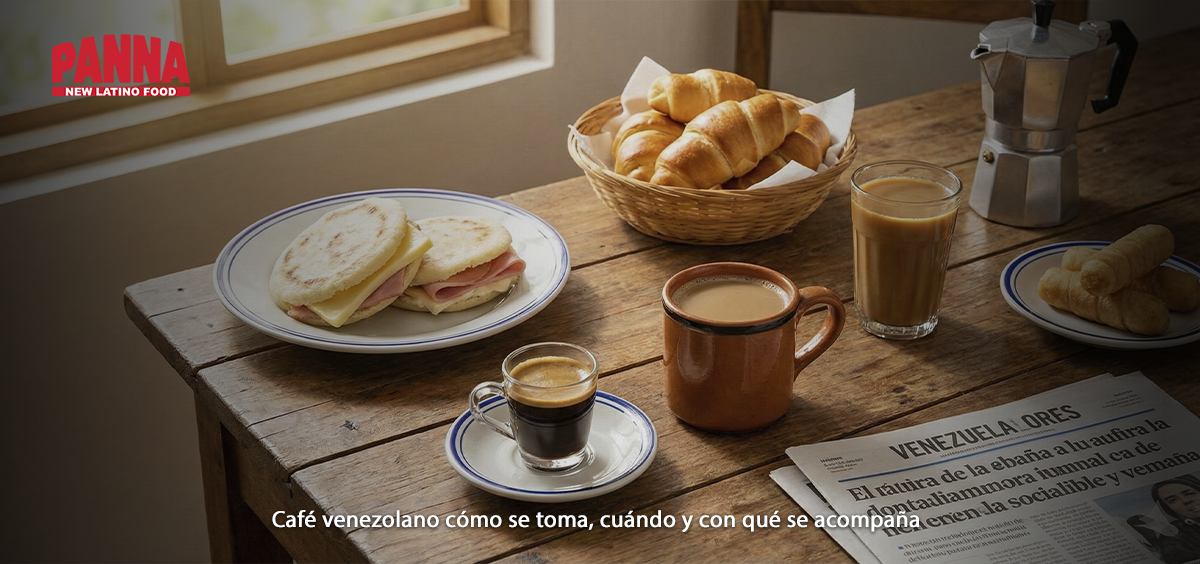
According to Luis Perú de Lacroix in his “Diario de Bucaramanga,” Bolívar preferred the corn arepa over wheat bread. This choice is significant:
-
Identity: In a time when wheat bread was a European status symbol, Bolívar chose the arepa to stay connected to his roots and his people.
-
Consistency: Even during times of great change, his loyalty to the arepa reflected his steadfast values and Venezuelan identity.
A LOVE FOR FRUIT AND EUROPEAN INFLUENCE
Bolívar was a great lover of tropical fruits, especially mangoes. Although many believe mangoes arrived in Venezuela much later, they were actually introduced in 1789, and Bolívar enjoyed them during his stay in Angostura (1817-1819).
From his travels in Europe, he also adopted specific habits:
-
Salads: He took pride in preparing the best salads, a skill he credited to the French ladies who taught him.
-
Tea: From his time in England, he picked up the custom of drinking tea, enjoying it both in social gatherings and in the quiet of the morning.
THE ULTIMATE HOST
In 1827, during his last stay in Caracas, Bolívar hosted a dinner for the British Consul, Sir Robert Ker Porter. This event was a masterclass in diplomacy:
-
The Menu: It featured a mix of local riches and European elegance, including partridges, pheasants, fresh fish from La Guaira, venison, and even turtle prepared in various styles.
-
The Goal: By hosting a dinner in the English style, Bolívar aimed to impress and strengthen ties with a key European power.
BOLÍVAR’S GASTRONOMIC LEGACY
Simón Bolívar’s tastes are a reflection of the richness and diversity of Venezuelan gastronomy. This blend of local roots and international influences still resonates in our kitchens today.
HAVE YOU WORKED UP A “LIBERATOR-SIZED” APPETITE? If you want to experience the authentic flavors of our land, we invite you to visit PANNA New Food Latino. From our iconic arepas to the traditional pabellón, we bring the history of our cuisine to life in every bite.
Come and discover why Venezuelan gastronomy is a treasure worth celebrating. We’ll see you there!