The Venezuelan guiso in Venezuelan food is not just another step in a recipe; it is where flavor truly begins. Before there is properly shredded beef, well-seasoned chicken, or a filling that makes sense, there is a guiso that organizes the ingredients, integrates them, and gives them direction. In that initial, almost invisible process, a large part of what we recognize as well-executed Venezuelan food is built.
In Venezuela, few things are as consistent in everyday cooking as that slow sauté that starts filling the kitchen with aroma early in the day. Whether it is a simple weekday lunch or a more elaborate meal, the guiso appears as a base, as a structure, as a logic. And even if it is not always mentioned, it is always there, holding the dish together. Understanding the guiso is not a technical detail; it is understanding how flavor is constructed in real Venezuelan cuisine.
Venezuelan guiso in Venezuelan food as the starting point of flavor
Talking about Venezuelan guiso in Venezuelan food means talking about a base that organizes everything else. It is not just about sautéing ingredients; it is about building a layer of flavor that will support proteins, fillings, and complete dishes. Without that foundation, many dishes would feel flat, lacking depth and coherence.
In practice, the guiso is what gives shredded beef its identity, what prevents chicken from tasting like plain boiled meat, what keeps ground beef from being dry or disconnected. It is what allows flavors to merge instead of competing with each other. For that reason, in Venezuelan cooking, it is not improvised; it is respected.
It also has a particular role: it does not seek visual protagonism, yet it defines the entire experience. It is not the first thing you see on the plate, but it is the first thing you recognize when you take a bite.
Technique of Venezuelan guiso in Venezuelan food
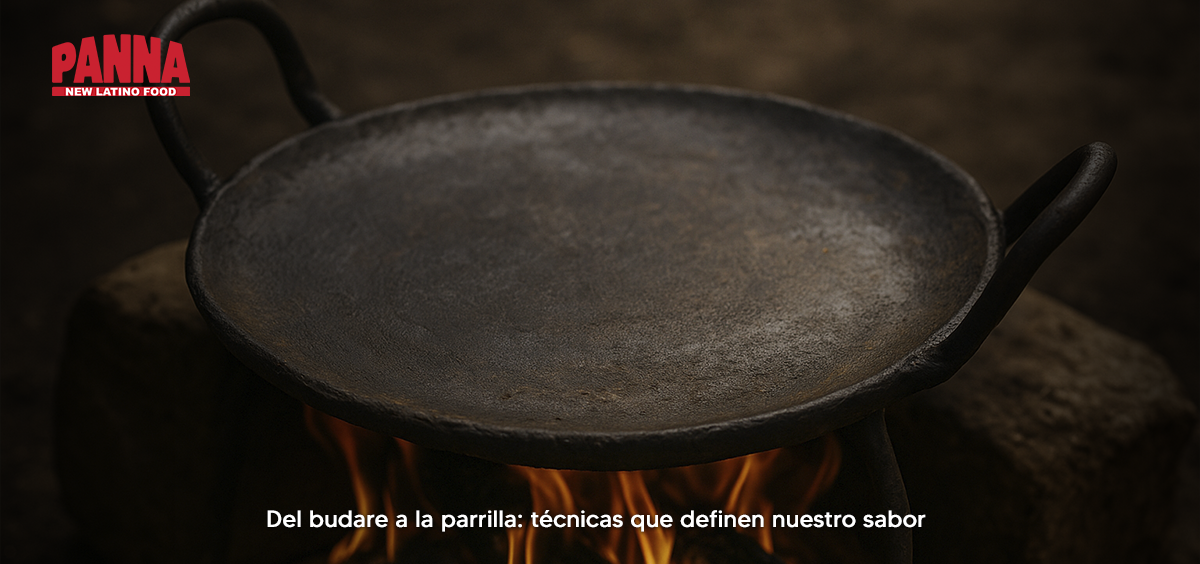
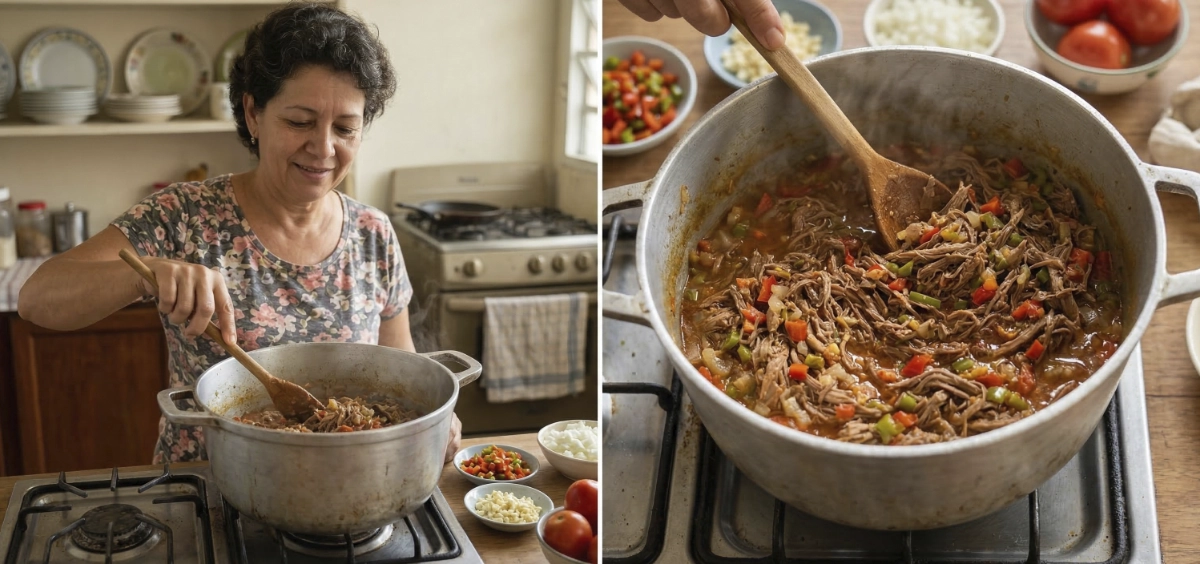
The technique behind Venezuelan guiso in Venezuelan food appears simple, but it requires attention to detail. Everything begins with hot oil, where onion, garlic, sweet pepper, and bell pepper are added; this combination defines the aromatic profile from the start.
The heat must be controlled. This is not a high-speed process; it is done over medium or low heat, allowing the ingredients to soften, release their juices, and integrate gradually. There are no shortcuts here. When rushed, the result lacks depth.
Then come additional elements such as tomato, spices, or a bit of broth; each ingredient plays a role within the structure. Cumin provides depth, sweet pepper defines aroma, tomato adds body and cohesion. Meanwhile, time continues doing its work, which in the case of guiso is just as important as the ingredients themselves.
Ingredients of Venezuelan guiso and their role in the dish
The Venezuelan guiso in Venezuelan food has a recognizable structure, even though it allows variations. There is a base that is almost always present: onion, garlic, sweet pepper, and bell pepper. From there, nuances are built depending on the dish.
Sweet pepper deserves special attention. It does not add heat, but it defines identity. It is one of those ingredients that, if missing, is noticeable; and when used correctly, it does not need to stand out to be essential. It is part of the DNA of Venezuelan guiso.
Tomato contributes acidity and body; cumin adds depth; bay leaf, when used, helps round out the flavor. None of these elements are random. Each one has a role within a system that seeks balance.
Venezuelan guiso and its relationship with proteins
In Venezuelan cuisine, guiso is not something prepared separately and then mixed in later; it is the environment where proteins are cooked. That distinction is fundamental.
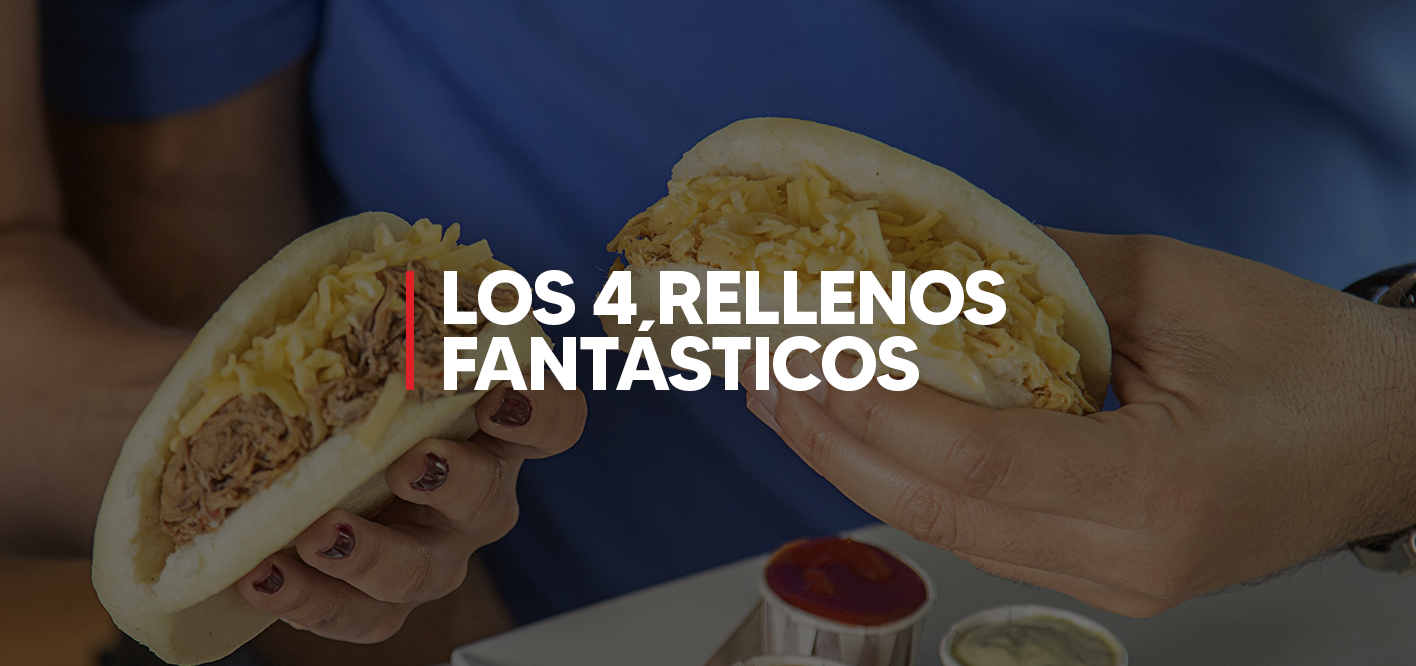
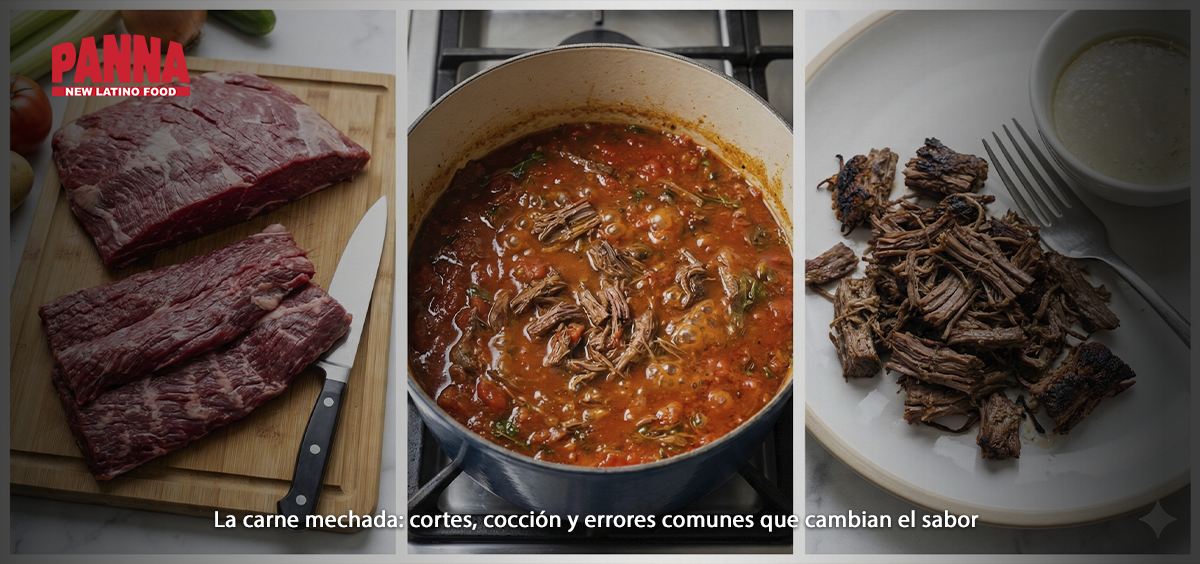
When working with shredded beef, for example, the cooked and pulled meat is incorporated into the guiso so it can absorb all the flavor. It is not just mixing; it is integration. The same applies to shredded chicken or ground beef: the guiso does not accompany, it transforms.
That direct relationship is what gives the dish coherence. No element stands apart; everything belongs to the same flavor structure.
Venezuelan guiso across different dishes in Venezuelan food
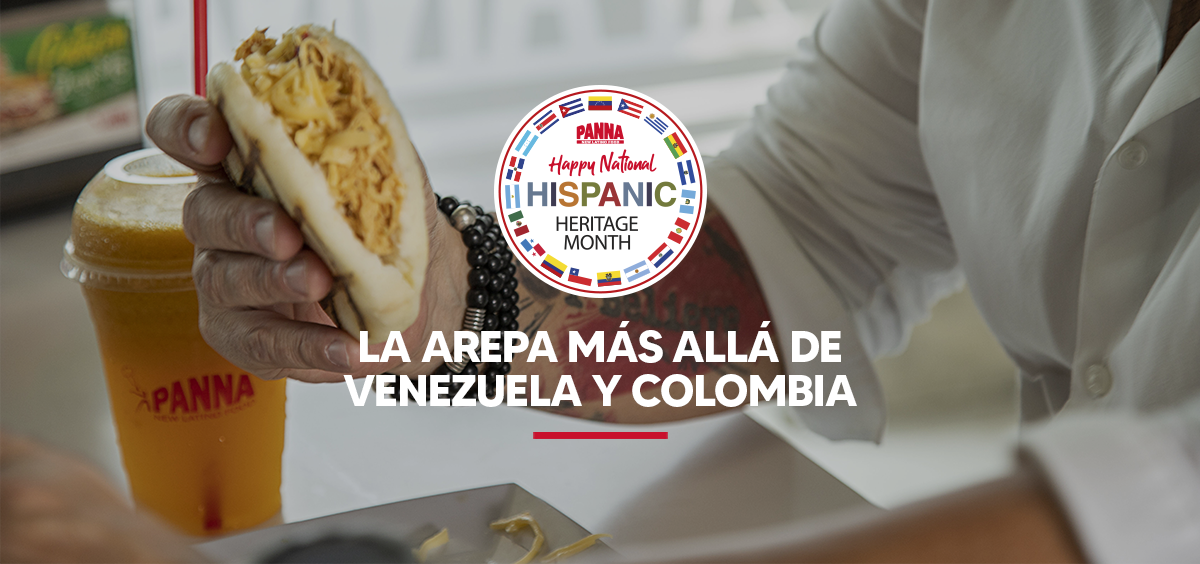
The Venezuelan guiso in Venezuelan food appears in more dishes than people often realize. It is in the shredded beef of a pabellón, in the filling of an arepa, in empanada fillings, in properly made ground beef.
Even though each dish has its own identity, the guiso works as a common thread. It maintains a shared logic across different preparations and creates a recognizable culinary language.
That is precisely what makes Venezuelan food so distinctive: not only the ingredients, but how flavor is constructed.
Venezuelan guiso in everyday Venezuelan cooking
In daily Venezuelan cooking, guiso is not an exception; it is a constant. It is often prepared in larger quantities, not only for practicality but because it improves over time. From one day to the next, the flavor settles, integrates, and becomes more rounded.
This approach reflects a real kitchen logic: not everything is made from scratch every time. The guiso becomes a tool, a base that can be reused while maintaining consistency and depth.
That is why, when talking about properly made Venezuelan food, the guiso cannot be overlooked. It is present in the background of everything.
Venezuelan guiso in Venezuelan food in Miami
In cities like Miami, where Venezuelan food has gained strong presence, guiso becomes one of the clearest indicators of authenticity. It is not something you see on display, but it is something you immediately recognize when tasting a dish.
Anyone familiar with Venezuelan cuisine can tell when a guiso is properly developed and when it is not. It shows in the integration, in the aroma, in the depth of flavor.
For those looking for Venezuelan food in Miami, guiso acts as a silent filter: it separates what is properly executed from what is improvised.
At Panna, guiso is not a step, it is the beginning
At PANNA, Venezuelan guiso in Venezuelan food is treated for what it truly is: the starting point of everything else. It is not handled as a procedural step but as the base that supports the entire dish.
That is why it is cooked with time, without rushing, respecting each ingredient and every stage of the process. When the guiso is right, everything that follows works; when it is not, there is no way to fix it at the end.
If you are looking for Venezuelan food in Miami where flavor is coherent and dishes are built from a solid foundation, PANNA offers a kitchen that understands that everything begins there, in that guiso you do not see, but that defines everything you taste.