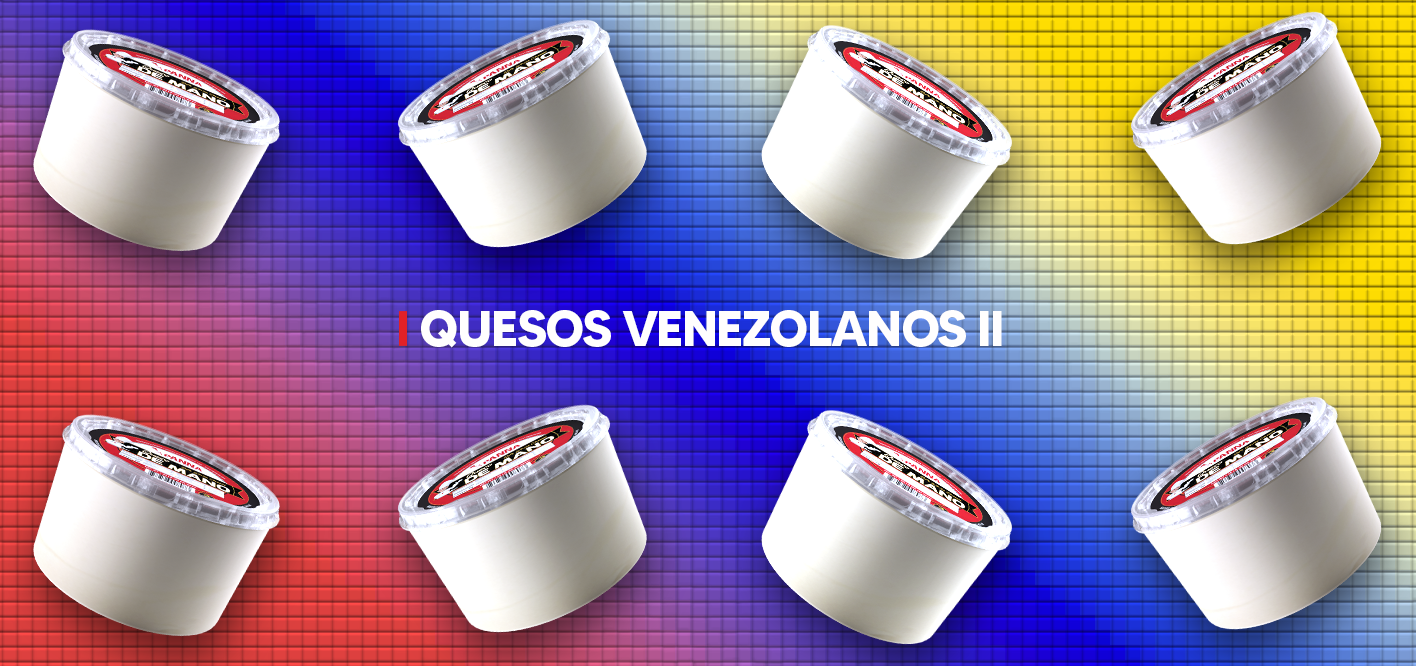
To talk about Venezuelan cheeses, one needs many words, paragraphs, and even several posts. That is why we are back today with this second article to continue sharing facts about this essential and irreplaceable delight—a fundamental part of our gastronomic and cultural heritage.
THE ART OF VENEZUELAN CHEESE MAKING
In the world of Venezuelan cheeses, two hard cheeses might look like identical twins, but their flavor and texture can be as different as day and night. Here are just a few secrets behind the magic:
-
INGREDIENTS: The quality of the milk, the type of lactic bacteria, and even the climate influence the final result.
-
IMPROVISATION: Sometimes, the recipe must be adjusted on the fly to achieve the desired texture and flavor.
-
IDENTITY: Certain cheeses, such as Queso de Año or Guayanés, have successfully positioned themselves as regional emblems.
As cheese expert Dietrich Truchsess, better known as Doctor Quesero, says: “Rules are important, but they aren’t everything; in artisanal cheesemaking, the cheesemaker’s experience and intuition are key.”
PRACTICE MAKES PERFECT
Eusebio Fernandes, a guru of artisanal cheese, reveals that more than following a recipe to the letter, practice is crucial. Every cheesemaker has a unique style depending on their region and the type of milk used.
For those curious about the process, there are two common ways to pasteurize milk:
-
Low Temperature / Long Time: Roughly 63°C (145°F) for 30 minutes.
-
High Temperature / Short Time: A more complex method at about 75°C (167°F) for 15 to 20 seconds.
NUTRITION AND CHEESE
The vast majority of Venezuelan cheeses are made with raw milk. If hygiene and food handling rules are followed, this should not negatively affect digestion.
Always in Moderation: Nutritionists suggest that Venezuelan goat milk cheeses are the most beneficial due to their lower fat content, followed by cow’s milk and buffalo’s milk. The general recommendation is to stay within 200 grams of cheese per day.
Venezuelan cheese is truly exceptional, playing a significant role in our daily diet. Its production is an art form, and that combination of magic, improvisation, and tradition gives it a unique flavor that is hard to find elsewhere in the world.
A CULINARY GEM FOR EVERY TASTE
Venezuelan cheese is more than just food; it is a cultural expression. Whether you prefer the intense flavor of Queso de Año, the softness of Guayanés, or the versatility of Telita, there is a Venezuelan cheese for every palate.
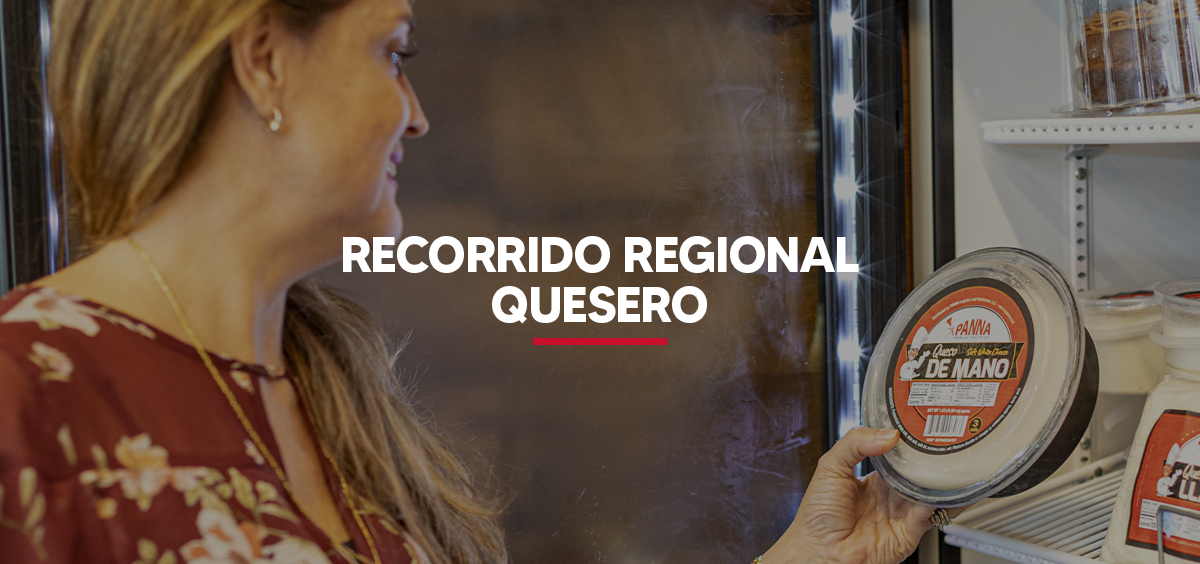
Are you ready to taste the best of Venezuela in Florida? Visit PANNA New Food Latino and discover why our cheeses are a culinary gem. Enjoy them in our arepas, empanadas, cachapas, and tequeños, or take your favorite cheeses home to keep enjoying that unique flavor.
We look forward to seeing you at PANNA!