Today, I want to share a personal story or rather, a story that belongs to my mother but deeply touches me by inheritance: the tradition of the 7 Potajes Santos (7 Holy Dishes).
HOLY WEEK AND TRADITION
In the Christian calendar, Holy Week is a time of reflection. For generations, we’ve been taught that on Good Friday, we must abstain from red meat as a sign of mourning for the death of Jesus.
Growing up in Caracas, my memories of a “strict” Holy Week are a bit blurry. My father was a declared atheist, and my siblings and I were confessed carnivores. I vividly remember my mother suddenly stopping in her tracks on a Friday afternoon, gasping: “Oh my god… today is Good Friday!” before letting out a laugh that meant, “Well, it’s too late now,” as the aroma of grilled beef filled our backyard.
A CALL TO THE PAST
To recover the traditions I might have forgotten (or never lived), I called my mother. She grew up in San Cristóbal (Táchira), where traditions were much more deep-rooted. She recalled: “On Maundy Thursday, the whole family gathered. The children wore white, the adults wore black, and the curtains were tied with purple bows. We sat down to share what we called the 7 Potajes.”
THE 7 HOLY DISHES
This practice is common in the Venezuelan Andes (Táchira, Mérida, and Trujillo) and parts of Colombia and Peru. The seven dishes commemorate the Seven Last Words spoken by Jesus on the cross. It was also a way to prepare a feast on Thursday so that no work (not even sweeping or cooking) had to be done on the solemn Friday.
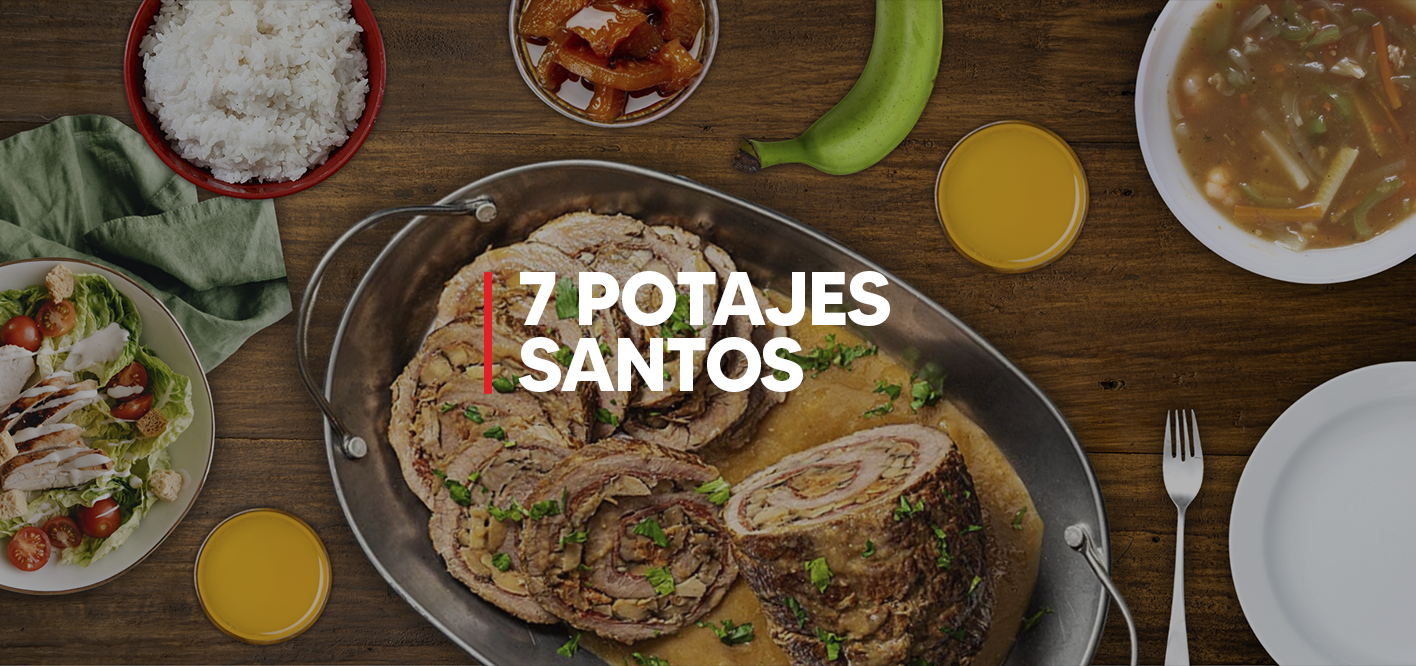
According to my mother’s memory, the feast usually included:
- Soup: Typically chickpea, pea, or “gallinazo” (a local bean).
- Rice: A staple side.
- Salad: Fresh and simple.
- Stuffed Meat: (Eaten on Thursday, before the Friday prohibition).
- Boiled Green Plantains: One of my mother’s personal favorites.
- Traditional Sweets: Dulce de lechosa (papaya), cabello de ángel (squash), or leche cortada (curdled milk).
- Traditional Juice: Usually a fresh fruit blend.
On Friday, they would eat the “recalentao” (leftovers) from Thursday, often accompanied by dried, salted cod (bacalao).
CARRYING THE TRADITION ABROAD
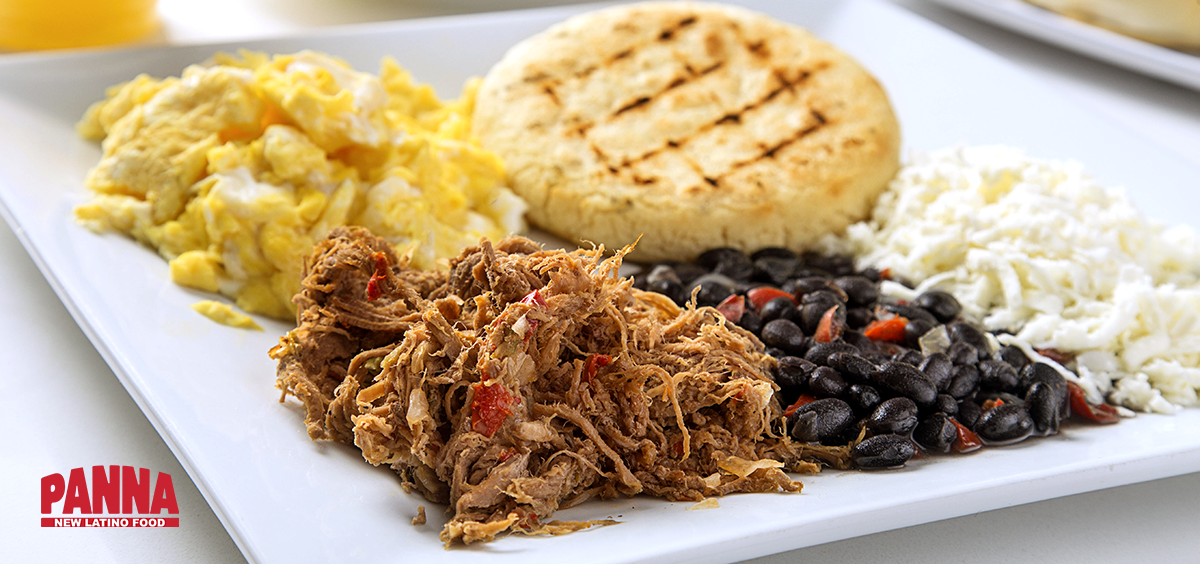
When we live far from home, we adapt to new cities, but places like PANNA make it easy to satisfy that longing for the flavors of our land.
Whether you are a devout practitioner or simply a devotee of family customs, Holy Week is an opportunity to reconnect with our roots. I may not find “gallinazo” beans here in Miami, and I might still skip the salted cod (sorry, Grandma!), but I promise to prepare a meal that honors the men and women of my Great Venezuelan Family.
Ready to find your own taste of home? Visit us at PANNA New Food Latino during this season. Whether you’re looking for a fresh fish dish or just a space to share a meal with loved ones, we are here to keep our traditions alive.
Happy Holy Week to all!