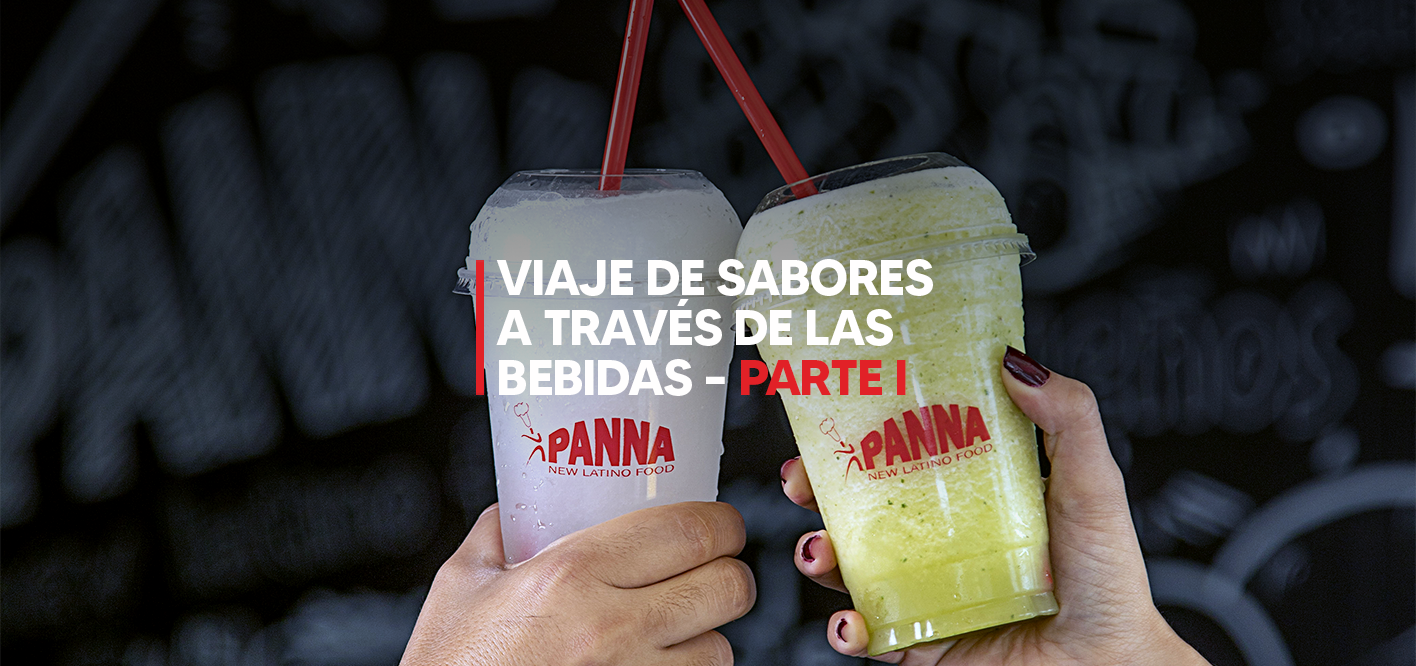
Venezuelan gastronomy is a kaleidoscope of colors and flavors that extends far beyond our traditional dishes. Every sip of a guarapo, a tizana, or a papelón con limón invites us on a sensory journey through the traditions rooted in the heart of our country. Today, we explore these liquid treasures that enrich our most authentic cuisine.
A Journey of Flavors Through Drinks: A BRIEF HISTORY OF COLD DRINKS
Culinary experts note that many Venezuelan drinks have simple preparations, which is why few ancient recipes remain—except for those requiring fermentation. According to gastronomist Rafael Cartay, two key moments changed everything:
-
The Arrival of Ice: In the early 18th century, ice was a luxury. Indigenous people brought snow down from the Sierra Nevada mountains on muleback to Mérida. It wasn’t until 1825 that ice began arriving in Caracas and Maracaibo… all the way from Boston! Thanks to Frederic Tudor, the “Ice King,” frozen blocks traveled by ship from New England to the Caribbean.
-
Electric Appliances: The arrival of the blender and refrigerators in the early 20th century allowed every household to transform fresh tropical fruit into cold, refreshing drinks daily.
A Journey of Flavors Through Drinks: EXOTIC JUICES
Whether it’s passion fruit (parchita), pineapple, or orange, our juices are a blast of tropical freshness. But there are other, more exotic varieties:
-
Cují Juice: Typical of the arid regions of Falcón. Made from the pods of the cují tree, it’s refreshing and known for helping regulate blood pressure.
-
Semeruco Juice: A small red fruit similar to a cherry, packed with Vitamin C. In Paraguaná, it’s a go-to remedy for the flu.
-
Curuba Juice: Found in the cold Andean regions. It looks like a long passion fruit but has a sweeter, unique flavor.
CLASSIC REFRESHMENTS
While we all remember the bright red “Colita” soda or the famous lemon-lime sparkling drinks, these traditional beverages are the true heart of our streets:
-
Papelón con Limón: An absolute classic. Made with papelón (raw cane sugar) dissolved in water with fresh lime juice. It’s the perfect balance of sweet and tart.
-
Tres en Uno (Three-in-One): A powerhouse juice made from Orange, Carrot, and Beet. It’s loved for its vibrant red color and its detoxifying properties.
-
Cocada: A thick, frozen drink made from coconut pulp, coconut water, ice, and sugar. Originating in Margarita Island, it’s often served with a dash of cinnamon and condensed milk.
-
Tizana: Think of it as a non-alcoholic Venezuelan Sangria. It’s a colorful mix of finely chopped fruits (pineapple, melon, watermelon, grapes) in a base of orange or pineapple juice with a splash of grenadine.
TRADITIONAL GUARAPOS
In Venezuela, guarapo can refer to black coffee sweetened with papelón, but it primarily refers to drinks derived from sugar cane juice:
-
Guarapo de Piña: Made by fermenting pineapple rinds with sugar and water. It’s refreshing and full of natural probiotics.
-
Guarapo de Canela: Combines the digestive properties of cane juice with the warm, comforting aroma of cinnamon.
WANT TO DISCOVER MORE?
Hungry (or thirsty) for more? Don’t miss Part II of this article, where we will dive into our famous chichas, caratos, and other exotic drinks that define Venezuelan flavor.
CRAVING A REFRESHING DRINK IN MIAMI? Visit us at PANNA New Food Latino! From our sweet Rice Chicha to our refreshing Papelón con Limón, we have the authentic taste of home waiting for you.
We’ll see you at PANNA!