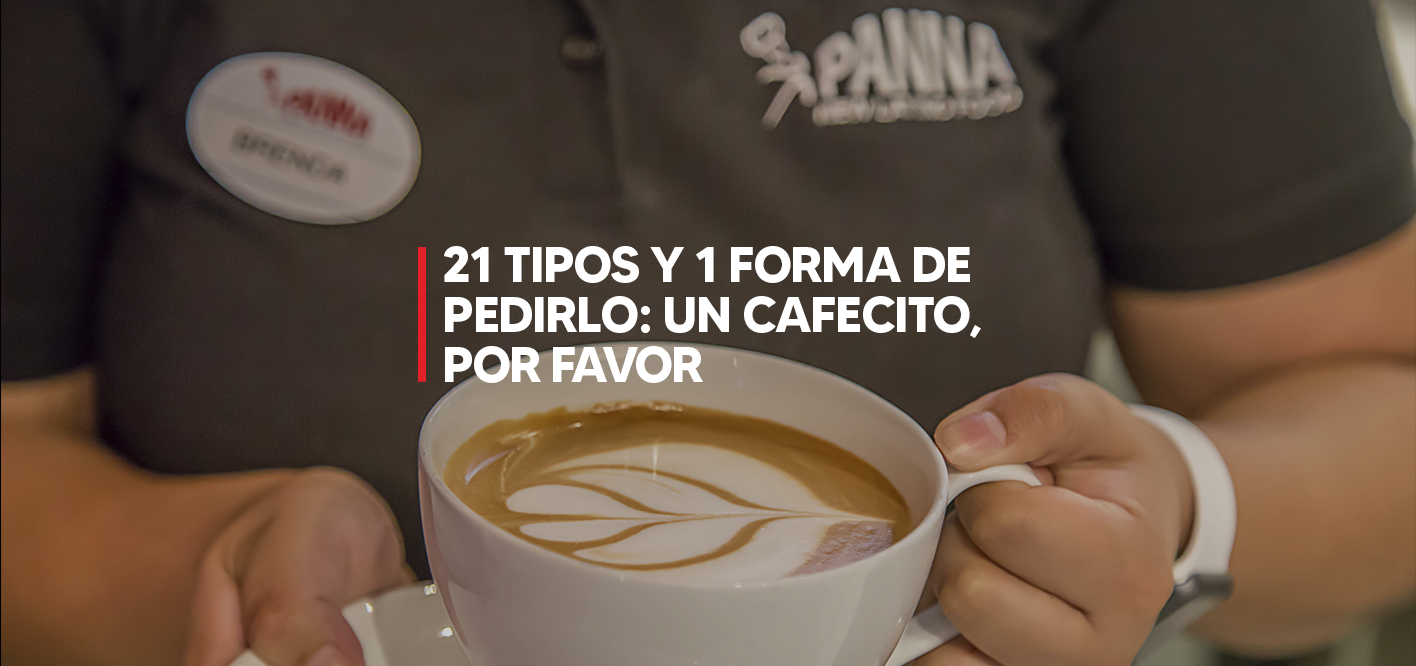
For many Venezuelans, a cafecito is not just a drink; it’s an essential part of life and a nostalgic piece of home. Whether it’s a café con leche to start the morning, a guayoyo as a sign of courtesy, or a sweet vanilla latte to accompany a long chat with a friend, our lives are tied to the sound of a brewing pot.
A BRIEF HISTORY OF A UNIQUE FLAVOR
Coffee arrived in Venezuela in the early 18th century. In 1730, Father José Gumilla planted the first seeds along the Caroní River. About 50 years later, the first cup of coffee grown in the capital was tasted at Hacienda Blandín (located where the Caracas Country Club stands today).
By 1919, Venezuela was the 3rd largest coffee producer in the world, behind only Brazil and the Dutch East Indies. Although the oil boom in the 1950s shifted the workforce away from the fields, the spirit of the Venezuelan bean remains a source of great pride.
THE ART OF THE BARISTA
Venezuelans have many ways to order coffee, usually starting with the affectionate diminutive: “Un cafecito, por favor.” Whether it’s a world champion like the Venezuelan Carlos Medina or the self-taught artist at your local bakery, a good barista knows how to measure the temperature and flavor perfectly while keeping up a friendly conversation—because that, too, is part of our culture.
BLACK OR WITH MILK?
In Venezuela, the names change depending on the concentration of coffee and milk. Here are the most famous:
BLACK COFFEE (CAFÉ NEGRO)
- Negrito: Strong, small, and bold.
- Cerrero: Very strong, concentrated, and strictly without sugar.
- Guayoyo: The Venezuelan soul. It’s a filtered, lighter coffee with a smooth, almost sweet body. Note: Never confuse a guayoyo with an Americano; as expert Paramaconi Acosta says, “it’s like confusing a pancake with a crepe.”
- Carajillo: A negrito with a “kick” of rum, brandy, or cocuy.
COFFEE WITH MILK (CAFÉ CON LECHE)
- Café con Leche: The classic mix (70% milk, 30% coffee).
- Marrón: A perfect 50/50 split of coffee and milk.
- Marrón Oscuro: More coffee than milk (70/30).
- Tetero: Mostly milk with just a tiny 10% splash of coffee (perfect for kids or those who want a milky treat).
- Cortado: A small black coffee “cut” with a tiny dash of milk.
SPECIALTY COFFEES AT PANNA
At PANNA, we’ve embraced both tradition and modern trends. Beyond the classics, you can find:
- Cappuccino & Mocha
- Sweet Vanilla Latte
- Candy Caramel Latte
- Seasonal Favorites
FUN COFFEE FACTS
- Global Popularity: Coffee is the second most consumed drink in the world, right after water.
- The Name “Guayoyo”: It is believed to come from an indigenous term meaning “stained water.”
- Fama de América: One of our most famous coffee brands was born in 1887 when Bernardo González started selling hand-roasted beans door-to-door.
- A National Pride: At one point, coffee represented 50% of Venezuela’s exports.
A LINK TO HOME IN MIAMI
For Venezuelans in Miami, finding a coffee that tastes like home is essential. At PANNA, we don’t just offer authentic food; we offer a cup of coffee that evokes the quality and warmth of our heritage.
Are you ready for a cafecito? Visit us at PANNA and let every sip bring you a little closer to Venezuela.